 53 citations
,
May 2010 in “Dermatologic Surgery”
53 citations
,
May 2010 in “Dermatologic Surgery” Hair transplantation may not work for Frontal Fibrosing Alopecia as transplanted hair was lost when the disease came back.
Low-dose oral isotretinoin improved hair loss and facial bumps in patients with a specific type of hair loss.
 December 2013 in “Research Portal (King's College London)”
 Hair loss in Lichen Planopilaris is caused by immune system issues damaging hair follicles and stem cells.
 32 citations
,
August 2015 in “Anais Brasileiros de Dermatologia”
32 citations
,
August 2015 in “Anais Brasileiros de Dermatologia” Black women's unique hair characteristics and styling practices can lead to specific scalp conditions, which require early diagnosis and appropriate treatment.
 179 citations
,
December 2004 in “Journal of The American Academy of Dermatology”
179 citations
,
December 2004 in “Journal of The American Academy of Dermatology” Some postmenopausal women with frontal fibrosing alopecia stopped losing hair with finasteride treatment, hinting at a possible hormonal cause.
 166 citations
,
April 2012 in “Journal of The American Academy of Dermatology”
166 citations
,
April 2012 in “Journal of The American Academy of Dermatology” Mostly postmenopausal Caucasian women get Frontal Fibrosing Alopecia, which often includes eyebrow loss and has limited treatment success.
 155 citations
,
September 2008 in “British journal of dermatology/British journal of dermatology, Supplement”
155 citations
,
September 2008 in “British journal of dermatology/British journal of dermatology, Supplement” FFA is more common in postmenopausal women, can affect younger women, and may stabilize over time.
 95 citations
,
November 2016 in “Journal of The American Academy of Dermatology”
95 citations
,
November 2016 in “Journal of The American Academy of Dermatology” Treatments for permanent hair loss from scarring aim to stop further loss, not regrow hair, and vary by condition, with partial success common.
 90 citations
,
July 2008 in “Dermatologic therapy”
90 citations
,
July 2008 in “Dermatologic therapy” Lichen planopilaris is a chronic, scarring hair loss condition with no definitive cure, requiring accurate diagnosis and treatment to manage symptoms.
 89 citations
,
February 2002 in “Australasian journal of dermatology”
89 citations
,
February 2002 in “Australasian journal of dermatology” A premenopausal woman had hair loss and skin issues, treated with topical steroids.
 67 citations
,
February 2009 in “Journal of Dermatology”
67 citations
,
February 2009 in “Journal of Dermatology”  40 citations
,
June 2009 in “Journal of Cutaneous Pathology”
40 citations
,
June 2009 in “Journal of Cutaneous Pathology” AGA patients have fewer hairs and smaller follicles; T:V ratio above 4:1 may indicate AGA.
 36 citations
,
May 2011 in “Dermatologic therapy”
36 citations
,
May 2011 in “Dermatologic therapy” No treatments fully cure or prevent alopecia areata; some help but have side effects or need more research.
 23 citations
,
November 2011 in “Journal of the European Academy of Dermatology and Venereology”
23 citations
,
November 2011 in “Journal of the European Academy of Dermatology and Venereology” Hair loss is a rare but recognized symptom of pemphigus vulgaris, with patients usually regrowing hair after treatment.
 19 citations
,
February 2008 in “Archives of Dermatological Research”
19 citations
,
February 2008 in “Archives of Dermatological Research” Mast cells might contribute to hair loss by causing skin thickening.
 18 citations
,
November 2012 in “Australasian Journal of Dermatology”
18 citations
,
November 2012 in “Australasian Journal of Dermatology” A 66-year-old man with a rare case of male frontal fibrosing alopecia did not regrow hair despite treatment.
 17 citations
,
May 1987 in “Clinical and Experimental Dermatology”
17 citations
,
May 1987 in “Clinical and Experimental Dermatology” A patient with Sézary syndrome showed improvement after treatment and the study suggested follicular mucinosis might indicate future lymphoma risk.
 15 citations
,
March 2015 in “Australasian Journal of Dermatology”
15 citations
,
March 2015 in “Australasian Journal of Dermatology” Seborrhoeic dermatitis may cause a condition called "seborrhoeic folliculitis," leading to chronic scalp inflammation and scarring hair loss.
 13 citations
,
January 2018 in “International Journal of Dermatology”
13 citations
,
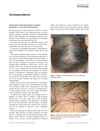
January 2018 in “International Journal of Dermatology” The study found that treatment improved hair condition in patients with Fibrosing Alopecia in a Pattern Distribution in Chile.
 7 citations
,
March 2025 in “Archives of Dermatological Research”
7 citations
,
March 2025 in “Archives of Dermatological Research” Trichoscopy helps better understand and manage alopecia areata, improving patient outcomes.
 2 citations
,
January 2012 in “International Journal of Trichology”
2 citations
,
January 2012 in “International Journal of Trichology” An Indian woman with Short Anagen Syndrome had very short hair and a lower quality of life.
 1 citations
,
September 2013 in “The Journal of Dermatology”
1 citations
,
September 2013 in “The Journal of Dermatology” An 8-year-old girl developed a rare skin condition in a linear pattern on one side of her body after a lung infection, which improved with treatment.

Current treatments for androgenetic alopecia have limitations, and personalized approaches and new methods are needed for better results.
 December 2020 in “Skin appendage disorders”
 A young man with an unusual type of scarring hair loss suggests a possible new variant of a known scalp condition.
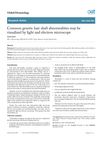 January 2019 in “Global Dermatology”
 Genetic hair shaft abnormalities can be seen with microscopes and often affect scalp hair.
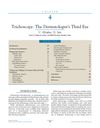 January 2016 in “Elsevier eBooks”
 Trichoscopy is a key method for dermatologists to quickly and effectively diagnose hair and scalp conditions.
The study concludes that Twenty-nail dystrophy is more common in boys among children and in women among adults, with varying response to treatment.
The main cause of hirsutism in Algerian women is polycystic ovary syndrome, and those affected should be checked for related hormonal issues.
Patients with graft-versus-host disease often have nail changes related to the nail matrix, with severity not linked to skin condition.
 June 2008 in “Springer eBooks”
 The document concludes that permanent hair loss conditions are complex, require early specific treatments, and "secondary permanent alopecias" might be a more accurate term than "secondary cicatricial alopecia."