 8 citations
,
November 2018 in “Australasian Journal of Dermatology”
8 citations
,
November 2018 in “Australasian Journal of Dermatology” Frontal fibrosing alopecia in families shows similar signs to individual cases and may have a genetic link.
 April 2021 in “BMJ Case Reports”
 Accurate diagnosis of pseudolymphomatous folliculitis is crucial to avoid mistaking it for more serious conditions.
 157 citations
,
August 2010 in “Lupus”
157 citations
,
August 2010 in “Lupus” The document concludes that recognizing and treating cutaneous lupus erythematosus early is crucial for managing the skin and potential systemic symptoms.
 73 citations
,
April 2010 in “Anais Brasileiros de Dermatologia”
73 citations
,
April 2010 in “Anais Brasileiros de Dermatologia” Dermoscopy helps diagnose and monitor treatment for hair loss from scarring conditions like discoid lupus and lichen planopilaris.
 72 citations
,
February 2011 in “The American Journal of Dermatopathology”
72 citations
,
February 2011 in “The American Journal of Dermatopathology” Anti-TNF therapy can cause a unique type of hair loss that may get better with topical treatments without stopping the therapy.
 59 citations
,
January 2002 in “Dermatology”
59 citations
,
January 2002 in “Dermatology” A new type of sudden, complete female hair loss was found, with most patients fully recovering within 6 months without needing steroid treatment.
 57 citations
,
January 2003 in “Clinical and experimental dermatology”
57 citations
,
January 2003 in “Clinical and experimental dermatology” Postmenopausal frontal fibrosing alopecia is a type of hair loss in postmenopausal women that may stop on its own but has no effective treatment.
 49 citations
,
January 2003 in “Clinical and Experimental Dermatology”
49 citations
,
January 2003 in “Clinical and Experimental Dermatology” The document concludes that post-menopausal frontal fibrosing alopecia is a poorly understood condition that does not respond well to common treatments.
 46 citations
,
January 2015 in “Journal of The American Academy of Dermatology”
46 citations
,
January 2015 in “Journal of The American Academy of Dermatology” Trichoscopy helps diagnose and assess the severity of Frontal Fibrosing Alopecia.
 32 citations
,
February 2008 in “Journal of the American Academy of Dermatology”
32 citations
,
February 2008 in “Journal of the American Academy of Dermatology” KFSD is a genetic disorder causing hair loss and skin issues, with no effective treatment.
 31 citations
,
April 2010 in “British journal of dermatology/British journal of dermatology, Supplement”
31 citations
,
April 2010 in “British journal of dermatology/British journal of dermatology, Supplement” Frontal fibrosing alopecia can cause sudden hair loss on limbs, similar to scalp hair loss.
 23 citations
,
November 2018 in “Journal of the European Academy of Dermatology and Venereology”
23 citations
,
November 2018 in “Journal of the European Academy of Dermatology and Venereology” The study concluded that severity of Frontal fibrosing alopecia is not linked to how long someone has it, can start before menopause, and eyebrow loss may be an early sign.
 22 citations
,
June 2012 in “PLOS ONE”
22 citations
,
June 2012 in “PLOS ONE” Cholesterol-related compounds can stop hair growth and cause inflammation in a type of scarring hair loss.
 16 citations
,
June 2015 in “Pediatric dermatology”
16 citations
,
June 2015 in “Pediatric dermatology” Lichen Planopilaris in teens is rare, often misdiagnosed, and responds well to steroids.
 15 citations
,
August 2019 in “Dermatologic Therapy”
15 citations
,
August 2019 in “Dermatologic Therapy” Platelet-rich plasma (PRP) may help treat hair loss in patients with frontal fibrosing alopecia who don't respond to other treatments.
 14 citations
,
January 2006 in “Australasian journal of dermatology”
14 citations
,
January 2006 in “Australasian journal of dermatology” Alopecia areata can look like frontal fibrosing alopecia, making diagnosis hard.
 9 citations
,
August 2013 in “Facial Plastic Surgery Clinics of North America”
9 citations
,
August 2013 in “Facial Plastic Surgery Clinics of North America” Recognize and treat hair loss conditions that mimic androgenetic alopecia by identifying warning signs and using proper tools.
 8 citations
,
September 2011 in “European Journal of Dermatology”
8 citations
,
September 2011 in “European Journal of Dermatology” Most treatments for Frontal Fibrosing Alopecia are ineffective, but early anti-inflammatory therapy may help and the condition may stabilize over time.
 8 citations
,
October 2020 in “Lasers in Medical Science”
8 citations
,
October 2020 in “Lasers in Medical Science” LLLT helps treat hair loss by increasing blood flow, reducing inflammation, and stimulating growth factors.
 6 citations
,
January 2016 in “Skin appendage disorders”
6 citations
,
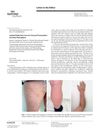
January 2016 in “Skin appendage disorders” A man with rare Lichen Planopilaris lost body hair, not scalp hair, and treatment stopped itching but didn't regrow hair.
 6 citations
,
August 2006 in “Journal of Cutaneous Pathology”
6 citations
,
August 2006 in “Journal of Cutaneous Pathology” Two teenage brothers had a rare, treatment-resistant form of female-pattern hair loss with unusual scalp changes.
 2 citations
,
January 2011 in “Dermatologica Sinica”
2 citations
,
January 2011 in “Dermatologica Sinica” Taiwan reported its first case of a rare scalp condition with no clear cause or treatment.
 2 citations
,
October 2020 in “International Journal of Dermatology”
2 citations
,
October 2020 in “International Journal of Dermatology” Lichen planopilaris in men often involves scalp redness and itching, with some also having hair loss, mucosal lichen planus, or thyroid disease, and treatment improved symptoms in nearly half of the cases.
 1 citations
,
October 2013 in “The Journal of Dermatology”
1 citations
,
October 2013 in “The Journal of Dermatology” Hair loss in a drug reaction case involved both a common shedding phase and an immune attack on hair follicle stem cells.

Follicular atopic dermatitis in dark skin can look different, making diagnosis harder.
 February 2026 in “Frontiers in Medicine”
 Fibrosing alopecia starts earlier in Latin American men and often looks like common male pattern baldness.
 February 2026 in “Cosmetics”
 Perifollicular elastolysis is poorly understood, with limited treatment options and inconsistent results.
 November 2024 in “Cureus”
 Scalp edema may be a new variant of conditions reacting to scarring alopecia like LPP.
 July 2021 in “British Journal of Dermatology”
 A woman with systemic sclerosis developed a unique scarring hair loss combining features of systemic sclerosis and frontal fibrosing alopecia.
 July 2018 in “Elsevier eBooks”
 Lichen Planopilaris is a hair loss condition best treated early with various medications, including hydroxychloroquine, to prevent permanent baldness.