 33 citations
,
July 1992 in “Journal of Investigative Dermatology”
33 citations
,
July 1992 in “Journal of Investigative Dermatology” Minoxidil doesn't affect perifollicular lymphoid infiltration in alopecia areata patients.
 December 2020 in “Galen Medical Journal”
 People with Alopecia Areata and Androgenic Alopecia have more mast cells in their scalp than healthy individuals, especially those with Alopecia Areata.
December 2020 in “Galen Medical Journal” Alopecia patients have more mast cells in their scalps, especially in severe cases and older age, with alopecia areata showing the highest increase.
6 citations
,
June 2024 in “Biofabrication” A small 3D skin model helps study how immune cells move in the skin.
36 citations
,
January 2012 in “Dermatology” Stopping gefitinib improved scalp condition in a woman with lung cancer.
 4 citations
,
January 2016 in “Case reports in dermatological medicine”
4 citations
,
January 2016 in “Case reports in dermatological medicine” A man had temporary hair loss from radiation during a medical procedure but regrew his hair after treatment with minoxidil lotion.
1 citations
,
January 2013 in “Annals of Dermatology” Naproxen effectively treated a girl's eosinophilic pustular folliculitis when other treatments failed.
January 2023 in “Indian journal of pharmacy practice” Over-the-counter cosmetic creams can cause skin damage on the face that is visible under dermoscopy and confirmed by tissue analysis.
November 2024 in “Journal of Investigative Dermatology” γδT cells can protect hair follicles from alopecia areata and promote hair regrowth.
 16 citations
,
February 2010 in “Journal of the European Academy of Dermatology and Venereology”
16 citations
,
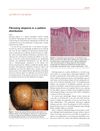
February 2010 in “Journal of the European Academy of Dermatology and Venereology” Fibrosing alopecia in a pattern distribution is a unique hair loss condition that may respond to antiandrogen therapy.
January 2025 in “International Journal of Applied and Basic Medical Research” Effective treatment of folliculitis decalvans requires accurate diagnosis and more research for better therapies.
 9 citations
,
July 2020 in “Journal of Dermatology”
9 citations
,
July 2020 in “Journal of Dermatology” Asian patients with Frontal Fibrosing Alopecia often lose eyebrow hair and respond well to combined antiandrogen or antimalarial and topical treatments.
 7 citations
,
October 2000 in “Allergo Journal”
7 citations
,
October 2000 in “Allergo Journal” Stress may affect hair growth by influencing hair follicle development and could contribute to hair loss.
4 citations
,
September 2011 in “Journal of the American Academy of Dermatology” A man developed a skin cancer called folliculotropic mycosis fungoides after a kidney transplant.
 April 2023 in “Journal of Investigative Dermatology”
 The study suggests fibrosing alopecia in a pattern distribution has distinct features and may vary by race.
 March 2019 in “Nasza Dermatologia Online”
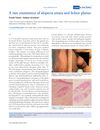
 A man had both alopecia areata and lichen planus, which is uncommon.
 1 citations
,
July 2009 in “Journal of dermatology”
1 citations
,
July 2009 in “Journal of dermatology” A 29-year-old man had a jaw plaque diagnosed as follicular mucinosis, linked to nestin-positive hair follicle stem cells.
 3 citations
,
February 2020 in “Dermatologic Therapy”
3 citations
,
February 2020 in “Dermatologic Therapy” Reducing micro-inflammation didn't change hair growth patterns in AGA.
 3 citations
,
March 2014 in “Annals of Hepatology”
3 citations
,
March 2014 in “Annals of Hepatology” A man lost all his hair after stopping hepatitis C treatment and it didn't grow back.
October 2025 in “Clinical and Experimental Dermatology” Fibrosing alopecia can be stabilized or improved with anti-inflammatory treatments and hair growth agents.
January 2013 in “대한피부과학회지” Gefitinib can cause rare scarring hair loss.
 9 citations
,
September 2016 in “Dermatologic Surgery”
9 citations
,
September 2016 in “Dermatologic Surgery” New LPP subtype affects vellus hairs, mimics AGA, and needs biopsy for diagnosis.
5 citations
,
August 2001 in “International Journal of Dermatology” A 20-year-old had hair loss and skin issues from lichen planopilaris starting at age 10.
March 2026 in “Anais Brasileiros de Dermatologia” Lichen planopilaris and frontal fibrosing alopecia are likely distinct diseases with different tissue involvement.
 July 2022 in “Skin research and technology”
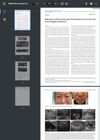
 Skin CT can help diagnose rosacea by identifying specific skin features, but should be used with clinical signs to avoid misdiagnosis.
 May 2015 in “Actas Dermo-Sifiliográficas”
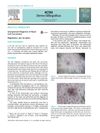
 A young man was unexpectedly diagnosed with basal cell carcinoma after a scalp examination and confocal microscopy.
7 citations
,
October 1988 in “Clinics in Dermatology” Minoxidil may help hair regrowth in alopecia areata by affecting T-cells.
 August 2024 in “International Journal of Molecular Sciences”
 Androgenetic alopecia involves immune cell disruptions, especially increased CD4+ T cells around hair follicles.
October 2021 in “Technology transfer: innovative solutions in medicine” The combined treatment improved scalp health in women with early-stage hair loss.
 9 citations
,
August 2014 in “The Journal of Dermatology”
9 citations
,
August 2014 in “The Journal of Dermatology” Scalp areas that look normal in people with hair loss may still show signs of disease under a microscope.