 245 citations
,
March 2012 in “Journal of The American Academy of Dermatology”
245 citations
,
March 2012 in “Journal of The American Academy of Dermatology” Dermatoscopy is useful for identifying different hair and scalp conditions and can reduce the need for biopsies.
 155 citations
,
September 2008 in “British journal of dermatology/British journal of dermatology, Supplement”
155 citations
,
September 2008 in “British journal of dermatology/British journal of dermatology, Supplement” FFA is more common in postmenopausal women, can affect younger women, and may stabilize over time.
 112 citations
,
July 2008 in “Dermatologic Therapy”
112 citations
,
July 2008 in “Dermatologic Therapy” Folliculitis decalvans is a rare scalp condition causing scarring hair loss, treated with long-term antibiotics and other medications, but it often comes back and is hard to manage.
 90 citations
,
July 2008 in “Dermatologic therapy”
90 citations
,
July 2008 in “Dermatologic therapy” Lichen planopilaris is a chronic, scarring hair loss condition with no definitive cure, requiring accurate diagnosis and treatment to manage symptoms.
 69 citations
,
January 2015 in “Current problems in dermatology”
69 citations
,
January 2015 in “Current problems in dermatology” Trichoscopy is a quick, noninvasive method to diagnose hair and scalp disorders, often reducing the need for biopsies.
 30 citations
,
March 2015 in “Journal of Dermatology”
30 citations
,
March 2015 in “Journal of Dermatology” Hair thickness differences help diagnose hair loss severity.
 20 citations
,
February 1985 in “Archives of Dermatology”
20 citations
,
February 1985 in “Archives of Dermatology” Minoxidil helps hair regrowth, especially with more indeterminate hairs.
 17 citations
,
August 2019 in “JAMA Facial Plastic Surgery”
17 citations
,
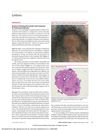
August 2019 in “JAMA Facial Plastic Surgery” Some men lost hair after deoxycholic acid treatment for neck fat, but most saw improvement or resolution.
 15 citations
,
March 2015 in “Australasian Journal of Dermatology”
15 citations
,
March 2015 in “Australasian Journal of Dermatology” Seborrhoeic dermatitis may cause a condition called "seborrhoeic folliculitis," leading to chronic scalp inflammation and scarring hair loss.
 15 citations
,
July 1999 in “Dermatologic Clinics”
15 citations
,
July 1999 in “Dermatologic Clinics” The document concludes that immune system abnormalities cause alopecia areata, but the exact process is still not completely understood.
 4 citations
,
January 2021 in “Postępy Dermatologii i Alergologii”
4 citations
,
January 2021 in “Postępy Dermatologii i Alergologii” Hydroxychloroquine can help treat certain types of hair loss.
 4 citations
,
November 2011 in “Archives of Dermatology”
4 citations
,
November 2011 in “Archives of Dermatology” Hamilton scale imprecise, hair shaft diameter decreases, stem cell transplant regrows hair, ECP ineffective for alopecia areata universalis.
 2 citations
,
June 2012 in “Dermatologica Sinica”
2 citations
,
June 2012 in “Dermatologica Sinica” Dermoscopy is useful for diagnosing and monitoring discoid lupus erythematosus by showing specific skin patterns.
 1 citations
,
January 2017 in “International Journal of Dermoscopy”
1 citations
,
January 2017 in “International Journal of Dermoscopy” Dermoscopy is useful for identifying and tracking different types of hair loss without scarring.
 October 2025 in “Scholars Journal of Medical Case Reports”
 Intralesional corticosteroids effectively treat scalp Discoid Lupus and restore hair.
 December 2024 in “Texila international journal of public health”
 Trichoscopy effectively diagnoses and monitors cicatricial alopecias, reducing the need for biopsies.
 March 2023 in “PARIPEX INDIAN JOURNAL OF RESEARCH”
 Dermoscopy helps diagnose different types of hair loss and may reduce the need for biopsies.
 December 2021 in “Biomedical journal of scientific & technical research”
 Oral processed egg yolk improves hair regrowth and quality in alopecia patients.
 78 citations
,
April 1984 in “Archives of Dermatology”
78 citations
,
April 1984 in “Archives of Dermatology” Minoxidil can help regrow hair in alopecia areata patients.
 53 citations
,
June 2017 in “Skin appendage disorders”
53 citations
,
June 2017 in “Skin appendage disorders” PRP treatment helps hair growth in most cases, but more research needed.
 30 citations
,
January 2014 in “Annals of Dermatology”
30 citations
,
January 2014 in “Annals of Dermatology” Scalp dermatoscopy helps diagnose and monitor hair loss severity.
 9 citations
,
January 2019 in “Skin appendage disorders”
9 citations
,
January 2019 in “Skin appendage disorders” Researchers found a new sign of fungal infection in some patients with Seborrheic Dermatitis.
 9 citations
,
June 2003 in “Veterinary dermatology”
9 citations
,
June 2003 in “Veterinary dermatology” Boxer dogs may have a genetic skin condition that worsens seasonally and can be treated with certain medications.
Trichoscopy is a valuable tool for accurately diagnosing scalp conditions without invasive procedures.
 April 2017 in “Journal of Investigative Dermatology”
 The hair follicle dermal sheath is essential for hair shedding and needs to communicate with the outer root sheath for normal hair growth cycles.
 April 2017 in “Journal of Investigative Dermatology”
 PRC1 influences skin stem cell development by both turning genes on and off, affecting hair growth and skin cell types.
 April 2017 in “Journal of Investigative Dermatology”
 Blocking JAK-STAT5 signaling in mice leads to hair growth.
 April 2017 in “Journal of Investigative Dermatology”
 Hair loss patterns differ between males and females due to 5 master regulators and JAK-STAT signaling affects hair growth.
 1 citations
,
July 2014 in “Our Dermatology Online”
1 citations
,
July 2014 in “Our Dermatology Online” The patient with both scarring and non-scarring hair loss showed complex immune reactions and improved with steroid treatment.
 95 citations
,
November 2016 in “Journal of The American Academy of Dermatology”
95 citations
,
November 2016 in “Journal of The American Academy of Dermatology” Treatments for permanent hair loss from scarring aim to stop further loss, not regrow hair, and vary by condition, with partial success common.