April 2026 in “The FASEB Journal” Exosomal miR-199a-3p from dermal papilla cells helps control hair color by affecting melanocytes.
25 citations
,
October 1985 in “Archives of Ophthalmology” The pigment in black eyeliner can spread in the skin and may cause permanent eyelash loss.
 35 citations
,
July 2007 in “Dermatologic clinics”
35 citations
,
July 2007 in “Dermatologic clinics” Facial dark spots can be caused by the sun, genetics, makeup, or medicine, and are diagnosed by patient history and skin tests.
 24 citations
,
March 2018 in “Pigment Cell & Melanoma Research”
24 citations
,
March 2018 in “Pigment Cell & Melanoma Research” The environment around melanocyte stem cells is key for hair regeneration and color, with certain injuries affecting hair color and potential treatments for pigmentation disorders.
11 citations
,
August 1987 in “Archives of Dermatology” Langerhans' cells are not involved in hair depigmentation in these mice.
 November 2022 in “The journal of investigative dermatology/Journal of investigative dermatology”
 The study found markers indicating that cells responsible for hair color are differentiating in specific areas of the hair follicle.
 68 citations
,
March 2008 in “Experimental dermatology”
68 citations
,
March 2008 in “Experimental dermatology” The new assay can track and measure melanosome transfer between skin cells, confirming filopodia's role in this process.
 7 citations
,
May 2010 in “JEADV. Journal of the European Academy of Dermatology and Venereology/Journal of the European Academy of Dermatology and Venereology”
7 citations
,
May 2010 in “JEADV. Journal of the European Academy of Dermatology and Venereology/Journal of the European Academy of Dermatology and Venereology” White hair follicles in vitiligo have fewer and less functional melanocytes.
April 2024 in “International journal of molecular sciences” Dermal factors are crucial in regulating melanin production in skin.
69 citations
,
January 1995 in “PubMed” Mouse melanocyte structure and function are influenced by genetics, hormones, and environmental factors.
 55 citations
,
December 2014 in “Dermatologica sinica/Zhōnghuá pífūkē yīxué zázhì”
55 citations
,
December 2014 in “Dermatologica sinica/Zhōnghuá pífūkē yīxué zázhì” Keratinocytes control how melanocytes work.
 1 citations
,
March 2024 in “Ophthalmic Plastic and Reconstructive Surgery”
1 citations
,
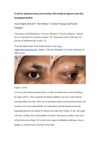
March 2024 in “Ophthalmic Plastic and Reconstructive Surgery” A pilomatrixoma in the eyebrow can cause hair loss and skin lightening.
33 citations
,
December 2015 in “International Journal of Molecular Sciences” Melanocyte stem cells are crucial for skin pigmentation and have potential in disease modeling and regenerative medicine.
35 citations
,
August 2009 in “Journal of the American Academy of Dermatology” Melanocytes might be targeted by the immune system in people with alopecia areata, but more research is needed.
60 citations
,
August 2005 in “Endocrinology” αMSH may help regulate immune responses in hair follicles and its disruption could lead to hair loss.
December 2018 in “European Journal of Pediatric Dermatology/PD. European journal of pediatric dermatology” Segmental vitiligo affects hair follicle melanocytes, causing small, uniform depigmented spots.
10 citations
,
February 2012 in “Journal of Clinical Investigation” Advancements in skin and hair biology improve dermatology care and cosmetic treatments.
101 citations
,
April 2013 in “Science” Feather pigment patterns form through melanocyte arrangement and simple regulatory mechanisms.
 July 2025 in “Advanced Science”
 Collagen VI and Semaphorin 3C are important for hair pigmentation and could help treat pigmentation disorders.
51 citations
,
February 2004 in “Journal of Investigative Dermatology” MCSP may help identify and regulate skin stem cells, affecting hair growth and regeneration.
7 citations
,
July 2016 in “Journal of Biomedical Materials Research Part A” cGEL hydrogel improves melanin production in skin cells, making it a promising option for skin treatments.
6 citations
,
March 2009 in “Pigment Cell & Melanoma Research” A sphingolipid from human placenta may help treat vitiligo by activating melanocyte stem cells.
 109 citations
,
July 1993 in “The journal of investigative dermatology/Journal of investigative dermatology”
109 citations
,
July 1993 in “The journal of investigative dermatology/Journal of investigative dermatology” Hair color production is closely linked to the active growth phase of hair in mice and may also influence hair growth itself.
44 citations
,
April 1979 in “Journal of Ultrastructure Research”  April 2024 in “The Indonesian Biomedical Journal”
 Melanocyte stem cells from non-affected skin in vitiligo patients can become functional melanocytes for potential therapy.
 5 citations
,
October 2021 in “Dermatologic Surgery”
5 citations
,
October 2021 in “Dermatologic Surgery” Platelet-rich plasma (PRP) can significantly improve melasma, a skin pigmentation disorder, but may not add benefits when used with certain other treatments.
 401 citations
,
January 2013 in “Postepy Dermatologii I Alergologii”
401 citations
,
January 2013 in “Postepy Dermatologii I Alergologii” The paper concludes that understanding melanocyte development can help in insights into skin diseases and melanoma diversity.
 19 citations
,
April 2016 in “Experimental Dermatology”
19 citations
,
April 2016 in “Experimental Dermatology” Melanoblasts migrate to the skin using various pathways, and understanding this process could help with skin disease research.
 43 citations
,
February 2008 in “Journal of cutaneous pathology”
43 citations
,
February 2008 in “Journal of cutaneous pathology” Melanocyte precursors in human fetal skin follow a specific migration pattern and some remain in the skin's deeper layers.
 8 citations
,
January 2011 in “Experimental and Therapeutic Medicine”
8 citations
,
January 2011 in “Experimental and Therapeutic Medicine” Stromal cells in melanoma promote tumor growth and spread.