 37 citations
,
January 2009 in “The Journal of Dermatology”
37 citations
,
January 2009 in “The Journal of Dermatology” Hair follicle stem cells can turn into various cell types and help repair nerves.
 1 citations
,
January 2008 in “Springer eBooks”
1 citations
,
January 2008 in “Springer eBooks” Hair follicle stem cells can turn into many cell types and may help repair nerve damage and have other medical uses.
 18 citations
,
October 2021 in “Frontiers in Physiology”
18 citations
,
October 2021 in “Frontiers in Physiology” Lipocalin-Type Prostaglandin D2 Synthase (L-PGDS) is a protein that plays many roles in the body, including sleep regulation, pain management, food intake, and protection against harmful substances. It also affects fat metabolism, glucose intolerance, cell maturation, and is involved in various diseases like diabetes, cancer, and arthritis. It can influence sex organ development and embryonic cell differentiation, and its levels can be used as a diagnostic marker for certain conditions.
 28 citations
,
March 2017 in “Scientific Reports”
28 citations
,
March 2017 in “Scientific Reports” Minoxidil may protect nerves and improve hair quality during paclitaxel treatment.
 66 citations
,
July 2007 in “Journal of Molecular Medicine”
66 citations
,
July 2007 in “Journal of Molecular Medicine” Stress increases certain chemicals in the skin and nerves, which might worsen skin conditions.
 26 citations
,
September 2009 in “Psychosomatics”
26 citations
,
September 2009 in “Psychosomatics” A girl initially thought to have a psychiatric disorder was later found to have a lupus-related condition, which improved with proper treatment.
 16 citations
,
December 2012 in “The Clinical Journal of Pain”
16 citations
,
December 2012 in “The Clinical Journal of Pain” Chronic scalp pain in trichodynia involves both body-wide and localized increased pain sensitivity.
 81 citations
,
October 2014 in “The journal of investigative dermatology/Journal of investigative dermatology”
81 citations
,
October 2014 in “The journal of investigative dermatology/Journal of investigative dermatology” Certain genes control the color of human hair by affecting pigment production.
 30 citations
,
March 2015 in “PLoS ONE”
30 citations
,
March 2015 in “PLoS ONE” Thyroxine can adjust the body's peripheral clock, potentially helping treat clock-related diseases.
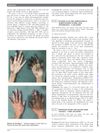
Psychosis can be an early sign of neuropsychiatric lupus, treatable with tailored medication.
 82 citations
,
July 2011 in “Journal of Neuroscience”
82 citations
,
July 2011 in “Journal of Neuroscience” Ethanol boosts brain steroid production by activating NMDA receptors, affecting memory formation.
 10 citations
,
January 2014 in “BioMed research international”
10 citations
,
January 2014 in “BioMed research international” Rat whisker cells can help turn other cells into nerve cells and might be used to treat brain injuries or diseases.
 4 citations
,
June 2021 in “Basic and Clinical Neuroscience Journal”
4 citations
,
June 2021 in “Basic and Clinical Neuroscience Journal” Rat hair follicle stem cells can improve nerve repair and muscle function after injury.
 11 citations
,
August 2014 in “PLoS ONE”
11 citations
,
August 2014 in “PLoS ONE” GFRα2 is essential for controlling neuron size but not for target innervation in certain sensory neurons.
 506 citations
,
January 2012 in “Molecular and Cellular Endocrinology”
506 citations
,
January 2012 in “Molecular and Cellular Endocrinology” Melatonin affects many body functions beyond sleep by interacting with specific receptors in various tissues.
 10 citations
,
May 2018 in “Neuropharmacology”
10 citations
,
May 2018 in “Neuropharmacology” Drugs for hormone-related conditions might help treat mental disorders but could have serious side effects.
 5 citations
,
January 2017 in “Molecular Medicine Reports”
5 citations
,
January 2017 in “Molecular Medicine Reports” Human hair follicle cells can be turned into neural stem cell-like cells, which might help treat brain diseases.
 1 citations
,
January 2015 in “Der pharmacia lettre”
1 citations
,
January 2015 in “Der pharmacia lettre” Neurosteroids help protect the brain and improve behavior after a stroke in mice.
 72 citations
,
January 2011 in “Current Pharmaceutical Design”
72 citations
,
January 2011 in “Current Pharmaceutical Design” S5αR inhibitors might help treat schizophrenia and other mental disorders but need more research.
 January 2026 in “Frontiers in Cellular Neuroscience”
 Neurosteroids like neuro-estrogen and neuro-androgen are crucial for brain function and can improve cognition and protect against aging-related decline.
319 citations
,
November 2005 in “Proceedings of the National Academy of Sciences” Hair follicle stem cells can help repair damaged nerves.
 88 citations
,
January 2004 in “Journal of Neuroscience”
88 citations
,
January 2004 in “Journal of Neuroscience” Neurosteroids regulate synaptic inhibition in the spinal cord and may help manage spinal pain.
miR-214-3p helps nerve repair and recovery.
 1 citations
,
May 2022 in “Frontiers in Psychiatry”
1 citations
,
May 2022 in “Frontiers in Psychiatry” Hair loss was the first sign of a brain-related complication in a woman with lupus, and early treatment helped her hair grow back.

Meis2 is essential for touch sensation and proper nerve connection to touch receptors in certain skin areas of mice.
 29 citations
,
March 2011 in “The Journal of Nutritional Biochemistry”
29 citations
,
March 2011 in “The Journal of Nutritional Biochemistry” Eating isoflavone can help mice grow hair by increasing a growth factor.
 12 citations
,
July 2019 in “Acta Neurologica Belgica”
12 citations
,
July 2019 in “Acta Neurologica Belgica” Levodopa for Parkinson's disease might be linked to skin issues like melanoma, but it's unclear if the drug or the disease causes them.
7 citations
,
September 2013 in “Tissue engineering. Part A” Hair follicle stem cells can become motor neurons and reduce muscle loss after nerve injury.
 May 2026 in “Nature Communications”
 Targeting catecholaminergic signaling may help treat keloid scars.

Meis2 is essential for touch sensation and nerve function in mice.