Eyelid pilomatrixomas are rare, benign tumors that need accurate diagnosis for proper treatment.
 73 citations
,
April 2010 in “Anais Brasileiros de Dermatologia”
73 citations
,
April 2010 in “Anais Brasileiros de Dermatologia” Dermoscopy helps diagnose and monitor treatment for hair loss from scarring conditions like discoid lupus and lichen planopilaris.
 January 2018 in “Skin appendage disorders”
 A woman's hair loss was correctly diagnosed as Lichen planopilaris after initial misdiagnosis, highlighting the usefulness of trichoscopy in diagnosing hair disorders.
3 citations
,
October 2001 in “British Journal of Ophthalmology” An isolated episcleral plasmacytoma can mimic episcleritis, making diagnosis challenging.
Pilomatricoma is a rare, harmless skin lump that needs accurate diagnosis and timely treatment.
24 citations
,
May 2000 in “Journal of the American Academy of Dermatology” Pseudopelade can affect both the scalp and beard, causing hair loss.
 9 citations
,
March 2017 in “JAAD Case Reports”
9 citations
,
March 2017 in “JAAD Case Reports” A woman's scalp condition improved with specific ointment after a hair piece caused skin issues.
June 2026 in “EJC Paediatric Oncology” High-dose thiotepa and twice-daily treatments increase the risk of permanent hair loss in children receiving craniospinal irradiation.
 October 2015 in “Reactions Weekly”
 A woman got a scalp condition from using latanoprost, but it improved after stopping the drug and starting other treatments.
April 2023 in “Journal of Investigative Dermatology” Increased TEMRA cells can predict treatment outcomes in rapidly progressive alopecia areata.
February 1990 in “Pathology, research and practice” PCS rats show significant inner ear damage and zinc deficiency, similar to liver cirrhosis patients.
 2 citations
,
October 2017 in “Journal of The American Academy of Dermatology”
2 citations
,
October 2017 in “Journal of The American Academy of Dermatology” Focal atrichia helps diagnose female pattern hair loss.
 1 citations
,
October 2023 in “Skin research and technology”
1 citations
,
October 2023 in “Skin research and technology” LC-OCT is an effective new method for diagnosing classic lichen planopilaris.
10 citations
,
October 2023 in “Mycoses” White Piedra mainly affects young women and is linked to hair-related factors.
June 2025 in “Dermatologic Surgery” Surgery can effectively treat severe eyelid turning out caused by a rare skin disorder.
 23 citations
,
September 2014 in “JEADV. Journal of the European Academy of Dermatology and Venereology/Journal of the European Academy of Dermatology and Venereology”
23 citations
,
September 2014 in “JEADV. Journal of the European Academy of Dermatology and Venereology/Journal of the European Academy of Dermatology and Venereology” Laser treatments are the most effective for porokeratotic adnexal ostial nevus.
15 citations
,
June 2020 in “Journal of the American Academy of Dermatology” Shiny white structures in trichoscopy can indicate long-standing discoid lupus erythematosus alopecia.
7 citations
,
June 2017 in “Journal of Cutaneous Pathology” Cystic panfolliculoma resembles hair follicle tumors due to specific cell interactions.
September 1973 in “Primates” 22 citations
,
February 2000 in “Journal of the American Academy of Dermatology” Eosinophils are not a reliable marker for diagnosing alopecia areata.
1 citations
,
December 2018 in “Veterinary dermatology” The hair coat disorder in Schipperkes is similar to Alopecia X and involves increased androstenedione levels and hair cycle arrest.
June 2024 in “Bioscientia Medicina Journal of Biomedicine and Translational Research” Most children with alopecia areata have patchy hair loss and common trichoscopic features like yellow and black dots.
 12 citations
,
June 2012 in “Revista da Sociedade Brasileira de Medicina Tropical”
12 citations
,
June 2012 in “Revista da Sociedade Brasileira de Medicina Tropical” A family had a rare fungal infection called white piedra, identified as Trichosporon inkin.
December 2020 in “Journal of Face Aesthetics” Trichoscopy effectively helps diagnose different types of hair loss in women.
July 2025 in “INTERNATIONAL JOURNAL OF SCIENTIFIC RESEARCH” Trichoscopy is crucial for diagnosing alopecia areata by identifying specific hair features.
 5 citations
,
April 2014 in “The American Journal of Dermatopathology”
5 citations
,
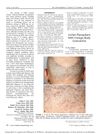
April 2014 in “The American Journal of Dermatopathology” Foreign-body granuloma may be a marker for late-stage Lichen Planopilaris and should be considered in diagnosis.
Pseudopelade is likely an independent disease due to its distinct features.
 5 citations
,
September 2015 in “Nepalese journal of ophthalmology”
5 citations
,
September 2015 in “Nepalese journal of ophthalmology” An 11-year-old girl with a rare skin disorder also had cornea issues and dry eye, needing careful management.
1 citations
,
April 2024 in “Journal of Clinical Medicine” Alopecia areata patients have eye issues and need regular eye exams.
A new method allows detailed, continuous imaging of crustacean leg regeneration without harming the cells.