 3 citations
,
March 1998 in “Aesthetic Surgery Journal”
3 citations
,
March 1998 in “Aesthetic Surgery Journal” Experts suggest various surgical methods for hair restoration, including scalp reduction, transplantation using minigrafts, and establishing a permanent frontal hairline with follicular units. The drug finasteride may also be used alongside these procedures.
 2 citations
,
October 2015 in “Primary Care: Clinics in Office Practice”
2 citations
,
October 2015 in “Primary Care: Clinics in Office Practice” Doctors should diagnose hair loss by examining the patient and possibly doing tests, and then treat it based on the type, which may prevent permanent hair loss.
2 citations
,
May 2002 in “PubMed” Micro-graft hair transplantation is an effective, simple, and painless method for permanent hair restoration in men and women.
 1 citations
,
April 2012 in “Informa Healthcare eBooks”
1 citations
,
April 2012 in “Informa Healthcare eBooks” Some medications for inflammation can cause a condition with scalp rashes and hair loss, often linked to Crohn's disease, and may require treatment changes to prevent permanent hair loss.
 March 2026 in “Frontiers in Medicine”
 Different types of alopecia cause hair loss due to immune system issues, with some allowing regrowth and others causing permanent loss.
 April 2024 in “International journal of impotence research”
 Some men experience persistent sexual, neurological, and psychological symptoms after stopping finasteride, but evidence of permanent damage is inconclusive.
 June 2023 in “British journal of dermatology/British journal of dermatology, Supplement”
 A woman with rheumatoid arthritis had a unique type of scarring hair loss not caused by infection, requiring early treatment to avoid permanent hair loss.
 January 2023 in “Skin appendage disorders”
 Hair loss is common in autoimmune diseases and can be an early sign of the condition, often requiring prompt treatment to prevent permanent damage.
 September 2022 in “Aesthetic Surgery Journal”
 Plastic surgeons can offer various nonsurgical hair restoration treatments like minoxidil, PRP, and light treatments, but they don't give permanent results and need to be repeated. It's crucial to educate patients and manage their expectations. Hair loss in women often involves other health issues like thyroid disease.
 July 2018 in “Elsevier eBooks”
 Lichen Planopilaris is a hair loss condition best treated early with various medications, including hydroxychloroquine, to prevent permanent baldness.
 September 2017 in “Pediatric Dermatology”
 The letter agrees that adults can get contact alopecia, which improves with allergen avoidance, and stresses early diagnosis to prevent permanent hair loss.
 January 2016 in “Archivio italiano di urologia, andrologia”
 The document concludes that the risk of sexual side effects from 5-alpha-reductase inhibitors is low and often temporary, but more research is needed on potential permanent effects.
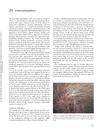 April 2012 in “Informa Healthcare eBooks”
 Lichen planopilaris is a rare, chronic condition causing hair loss, mainly in middle-aged women, and early treatment is important to prevent permanent baldness.
 January 2010 in “Elsevier eBooks”
 The document concludes that different types of hair loss have specific treatments, and early diagnosis is crucial for preventing permanent hair loss.
 July 2002 in “Dermatologic Surgery”
 Some people's hair turned white or gray after using intense pulsed light for hair removal, and for some, it was permanent.
 1 citations
,
February 1988 in “The BMJ”
1 citations
,
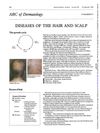
February 1988 in “The BMJ” The document explains different hair and scalp conditions, including common hair loss after pregnancy or illness, drug-induced hair loss, hereditary excessive hair growth, patterned baldness, autoimmune hair loss, and permanent loss due to skin disease, with generally limited treatment options.
 August 2007 in “CRC Press eBooks”
 Hair loss is mainly caused by a testosterone byproduct, and hair restoration surgery uses hair from the back and sides of the scalp.
 April 2018 in “Journal of Investigative Dermatology”
 The research found that blocking a gene called NEMO can potentially prevent harmful effects of aging at the cellular level.
Hair transplantation can effectively restore hair in stabilized hair loss cases.
58 citations
,
September 2019 in “EMBO Molecular Medicine” CDK4/6 inhibitors can protect hair cells from chemotherapy damage.
4 citations
,
January 2011 in “Dermatologic Therapy” Zinc supplements improved hair loss in patients with zinc deficiency.
 December 2024 in “Archiv Euromedica”
 Trichoscopy is essential for diagnosing and treating autoimmune cicatricial alopecia early.
 October 2014 in “Journal of the Portuguese Society of Dermatology and Venereology”
 Early recognition and treatment of LPP can prevent hair loss and improve quality of life.
19 citations
,
September 2021 in “British journal of dermatology/British journal of dermatology, Supplement” Activating PPAR-γ signalling can protect hair follicle stem cells from damage caused by chemotherapy.
 3 citations
,
May 2022 in “Clinical and experimental dermatology”
3 citations
,
May 2022 in “Clinical and experimental dermatology” Drugs targeting EMT molecules show promise for treating lichen planopilaris.
1 citations
,
March 2023 in “Journal of the Turkish Academy of Dermatology” Temporal triangular alopecia may be linked to sebaceous nevus and shows a new pinkish background feature.
 August 2023 in “The journal of investigative dermatology/Journal of investigative dermatology”
 Ixekizumab may be an effective first treatment for a rare skin condition causing hair loss.
 October 2022 in “IntechOpen eBooks”
 Hair loss due to scarring can be treated by reducing inflammation, removing scar tissue, and transplanting hair. The Follicular Unit Extraction technique is effective but requires skill and time. Future focus should be on scar-less healing methods.
January 2022 in “Skin appendage disorders” Trichoscopy effectively visualizes scalp micropigmentation without invasive methods.
220 citations
,
June 2013 in “The Journal of Pathology” Lichen planopilaris may be an autoimmune disease causing hair loss due to immune system issues in hair follicles.