 71 citations
,
January 2019 in “International journal of biological sciences”
71 citations
,
January 2019 in “International journal of biological sciences” Exosomes from dermal papilla cells help hair growth by making hair follicle stem cells multiply and change.
 98 citations
,
November 2014 in “PLoS ONE”
98 citations
,
November 2014 in “PLoS ONE” Hyaluronidase speeds up wound healing and reduces inflammation.
 35 citations
,
August 2021 in “npj Regenerative Medicine”
35 citations
,
August 2021 in “npj Regenerative Medicine” Fibroblasts, cells usually linked to tissue repair, also help regenerate various organs and their ability decreases with age. Turning adult fibroblasts back to a younger state could be a new treatment approach.
 40 citations
,
March 2019 in “Nature Communications”
40 citations
,
March 2019 in “Nature Communications” CRAC channels are crucial for the development and function of specialized immune cells, preventing severe inflammation and autoimmune diseases.
 23 citations
,
October 2018 in “Australasian Journal of Dermatology”
23 citations
,
October 2018 in “Australasian Journal of Dermatology” The current understanding of frontal fibrosing alopecia involves immune, genetic, hormonal factors, and possibly environmental triggers, but more research is needed for effective treatments.
 20 citations
,
August 2014 in “PloS one”
20 citations
,
August 2014 in “PloS one” MED1 affects skin wound healing differently in young and old mice.
 13 citations
,
January 2021 in “Histochemistry and Cell Biology”
13 citations
,
January 2021 in “Histochemistry and Cell Biology” Cholesterol transport in hair follicles decreases from growth to regression phase.
 37 citations
,
June 2011 in “Journal of Cellular Biochemistry”
37 citations
,
June 2011 in “Journal of Cellular Biochemistry” Androgen is important in controlling stem cell differentiation, reducing fat development, and increasing lean mass.
 9 citations
,
April 2019 in “Molecules”
9 citations
,
April 2019 in “Molecules” Blackcurrant extract may help reduce hair loss by promoting stem cell activity in hair follicles.
 81 citations
,
February 2019 in “Experimental & Molecular Medicine”
81 citations
,
February 2019 in “Experimental & Molecular Medicine” PAK4 is crucial in cancer progression, brain development, and could be a therapeutic target, especially through the PAK4-CREB axis.
 75 citations
,
August 2018 in “Biochemical pharmacology”
75 citations
,
August 2018 in “Biochemical pharmacology” Targeting the skin's endocannabinoid system could help treat skin disorders.
 68 citations
,
May 2011 in “European Journal of Dermatology”
68 citations
,
May 2011 in “European Journal of Dermatology” Acne is caused by genetics, diet, hormones, and bacteria, with treatments not yet curative.
 20 citations
,
December 2013 in “Journal of Dermatology”
20 citations
,
December 2013 in “Journal of Dermatology” UV-B light increases inflammation-related substances in acne-related skin cells.
 11 citations
,
February 2016 in “Current Medicinal Chemistry”
11 citations
,
February 2016 in “Current Medicinal Chemistry” New treatments for prostate cancer and BPH show promise, including novel compounds that target hormone synthesis and response.
 159 citations
,
July 2006 in “Endocrine Reviews”
159 citations
,
July 2006 in “Endocrine Reviews” Estrogens significantly influence hair growth by interacting with receptors in hair follicles and may help regulate the hair growth cycle.
 87 citations
,
September 2014 in “International Journal of Molecular Sciences”
87 citations
,
September 2014 in “International Journal of Molecular Sciences” FOXO1 is important for wound healing, but its dysfunction in diabetes can slow the healing process.
 78 citations
,
June 2021 in “Dermatology and Therapy”
78 citations
,
June 2021 in “Dermatology and Therapy” Future acne treatments should aggressively target inflammation to prevent scarring.
 47 citations
,
September 2016 in “Reviews in endocrine and metabolic disorders”
47 citations
,
September 2016 in “Reviews in endocrine and metabolic disorders” The skin's ability to produce hormones is linked to various skin conditions, and better understanding this process could lead to new treatments.
 21 citations
,
March 2018 in “Experimental Dermatology”
21 citations
,
March 2018 in “Experimental Dermatology” The guide explains how to study human skin fat cells and their tissue, aiming to improve research and medical treatments.
 19 citations
,
January 2017 in “Stem Cells International”
19 citations
,
January 2017 in “Stem Cells International” Adipose-derived stem cells show promise in treating skin conditions like vitiligo, alopecia, and nonhealing wounds.
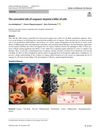 13 citations
,
December 2024 in “Cellular and Molecular Life Sciences”
13 citations
,
December 2024 in “Cellular and Molecular Life Sciences” Caspases do more than kill cells; they also help in cell growth and disease, and targeting them could lead to new treatments.
 11 citations
,
May 2016 in “Naunyn-Schmiedeberg's Archives of Pharmacology”
11 citations
,
May 2016 in “Naunyn-Schmiedeberg's Archives of Pharmacology” A substance called 15-deoxy prostaglandin J2 can cause hair follicle cells to die, which might explain how prostaglandin D2 can lead to hair loss.
 8 citations
,
April 2020 in “Journal of Ethnopharmacology”
8 citations
,
April 2020 in “Journal of Ethnopharmacology” Herbs might help with hair loss, but more research is needed to confirm their safety and effectiveness.
 136 citations
,
May 2019 in “Cells”
136 citations
,
May 2019 in “Cells” Stem cell therapy, particularly using certain types of cells, shows promise for treating hair loss by stimulating hair growth and development, but more extensive trials are needed to confirm these findings.
 17 citations
,
October 2013 in “Plastic and reconstructive surgery. Global open”
17 citations
,
October 2013 in “Plastic and reconstructive surgery. Global open” Male pattern baldness may be caused by scalp pressure on hair follicles, which increases with age and leads to a cycle of hair loss. This process is not directly determined by genes.
 9 citations
,
May 2012 in “PLOS ONE”
9 citations
,
May 2012 in “PLOS ONE” ILK is essential for skin development, pigmentation, and healing.
 13 citations
,
March 2017 in “Genomics”
13 citations
,
March 2017 in “Genomics” Genomic approach finds new possible treatments for hair loss.
 January 2025 in “Cellular and Molecular Biology”
 The PIP5K1A gene helps cashmere growth in goats by promoting cell proliferation, and melatonin boosts its expression.
 305 citations
,
February 2007 in “Hormone and metabolic research”
305 citations
,
February 2007 in “Hormone and metabolic research” Human skin makes sexual hormones that affect hair growth, skin health, and healing; too much can cause acne and hair loss, while treatments can manage these conditions.
 123 citations
,
December 2015 in “Journal of Neuroendocrinology”
123 citations
,
December 2015 in “Journal of Neuroendocrinology” New targets for making and using brain-synthesized steroids could lead to better treatments for brain disorders and alcoholism.