 January 2026 in “Revista Científica de la Facultad de Ciencias Veterinarias”
 Ozonated oil and Centella asiatica extract improve wound healing in mice, with each having specific benefits.
 January 2026 in “International journal of research and scientific innovation”
 A natural hair cream with 15% extract is stable, effective, and better for hair and scalp than synthetic creams.
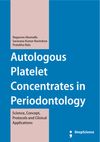
Autologous platelet concentrates help heal and regenerate dental tissues.
 September 2025 in “International Journal of Environmental Sciences”
 Moullava spicata stem is a good natural antioxidant.
 May 2025 in “Cellular Oncology”
 Blocking both P-cadherin and c-Met can effectively stop head and neck cancer growth.
 January 2025 in “Current Trends in Pharmacy and Pharmaceutical Chemistry”
 New methods for measuring dutasteride are effective and reliable.
 January 2025 in “International Journal of Drug Delivery Technology”
 A reliable method was developed to measure Finasteride and Tadalafil together, showing they degrade under certain conditions.
 January 2025 in “Exploratory Animal and Medical Research”
 Lithium carbonate and lead acetate together harm the heart more than individually.
 January 2025 in “International Journal of Zoological Investigations”
 Myristica fragrans shows promise as an anti-inflammatory agent.
 December 2024 in “Biomedical & Pharmacology Journal”
 Hair Tonic A, with white tea extract, is better for improving hair health.
 July 2024 in “Open Repository of the University of Porto (University of Porto)”
 Dutasteride is more effective than finasteride for hair growth, and pregabalin effectively treats neuropathic pain.
 December 2023 in “Annals of phytomedicine”
 Dutasteride is more effective than finasteride for hair loss treatment.
 September 2023 in “bioRxiv (Cold Spring Harbor Laboratory)”
 Freezing gamma-irradiated amniotic fluid may help hair growth and speed up the growth phase.
 December 2022 in “theses.fr (ABES)”
 Microplastics in the Lebanese Mediterranean carry harmful pollutants, posing environmental and health risks.
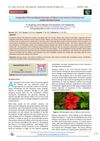 October 2022 in “International journal of pharmaceutical sciences review and research”
 Hibiscus leaf extract is better for diabetes, and Eclipta alba bark extract is better for antioxidants.
 August 2022 in “International journal of research in pharmacy and chemistry”
 Teak is a durable, termite-resistant wood with medicinal benefits.

Wavy sinus hairs in cats are linked to feline leukemia virus infection.
 June 2022 in “Organic communications”
 Natural compounds, especially Withaferin-A, may help treat post-COVID-19 complications, but some may have side effects.
 July 2021 in “Research Square (Research Square)”
 Semecarpus anacardium leaf extract fights breast cancer and extends survival in mice.
 January 2019 in “Springer eBooks”
 Modified HDL can better deliver drugs and genes, potentially improving treatments and reducing side effects.
 June 2017 in “Asian journal of pharmaceutical and clinical research”
 Green tea extract gel safely increases eyelash length.
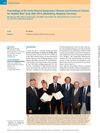 September 2014 in “Aktuelle Dermatologie”
 The symposium concluded that environmental factors significantly contribute to skin aging.
 August 2014 in “Warwick Research Archive Portal (University of Warwick)”
 Obesity negatively affects the endometrium, leading to higher miscarriage risk and impaired cell function.
Human scalp hair follicles have PGE2 and its receptors, which might affect hair growth.
 January 2013 in “Springer eBooks”
 Hair care products are important for appearance and self-esteem, and choosing the right ones can help maintain healthy hair.
 April 2018 in “Journal of Chromatographic Science”
 Finasteride's stability and safety confirmed through precise analytical methods.
 January 2015 in “Journal of Cytology and Histology”
 Hair loss in Androgenetic Alopecia is not caused by damage to follicular stem cells.
 86 citations
,
June 2017 in “Anais Brasileiros de Dermatologia”
86 citations
,
June 2017 in “Anais Brasileiros de Dermatologia” Antioxidants can benefit skin health but should be used carefully to avoid negative effects.
 14 citations
,
May 2019 in “Experimental Dermatology”
14 citations
,
May 2019 in “Experimental Dermatology” Fat tissue extract may help treat vitiligo by reducing cell stress and promoting skin repair.
 9 citations
,
January 2017 in “Annals of Dermatology”
9 citations
,
January 2017 in “Annals of Dermatology” The study found genetic differences related to hair development that may explain hair loss in a patient with Trichorhinophalangeal syndrome type I.