16 citations
,
June 2018 in “JAAD case reports” A JAK inhibitor improved both severe hair loss and chronic skin disease in one patient.
 11 citations
,
September 2008 in “European Journal of Drug Metabolism and Pharmacokinetics”
11 citations
,
September 2008 in “European Journal of Drug Metabolism and Pharmacokinetics” Finasteride helps reduce pain and inflammation in animals.
Spironolactone may be a better acne treatment for adult women than antibiotics.
January 2016 in “Indian dermatology online journal” The patient has frontal fibrosing alopecia (FFA).
 January 2014 in “Dermatology Review”
 Folate may reduce methotrexate side effects in psoriasis patients, but its impact on effectiveness is unclear.
12 citations
,
July 2020 in “Actas Dermo-Sifiliográficas” Frontal fibrosing alopecia mostly affects postmenopausal women, often involves eyebrows, and is linked to conditions like lichen planus and rosacea.
December 2020 in “Forum Dermatologicum” Intralesional triamcinolone acetonide can effectively limit the progression of GLPLS.
Spironolactone is a promising alternative to antibiotics for treating acne in adult females.
March 2025 in “Revista Foco” Early diagnosis of Alopecia Frontal Fibrosante is crucial for effective treatment.
 26 citations
,
October 2016 in “Case Reports in Dermatology”
26 citations
,
October 2016 in “Case Reports in Dermatology” A man with severe hair loss saw hair and nail improvement after 10 months on tofacitinib without side effects.
 December 2023 in “bioRxiv (Cold Spring Harbor Laboratory)”
 The research suggests Dutasteride and Solifenacin may be effective against the bacterium causing listeriosis.
 March 2024 in “Clinical, cosmetic and investigational dermatology”
 Tofacitinib successfully treated vitiligo in a patient with lupus without side effects.
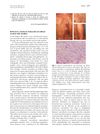 7 citations
,
June 2010 in “Journal of The American Academy of Dermatology”
7 citations
,
June 2010 in “Journal of The American Academy of Dermatology” Tranilast successfully treated a man's skin sarcoidosis when other treatments failed.
January 2026 in “Biomacromolecules” A new method using nanolipogels with fucosterol can help regrow hair by targeting follicles, reducing inflammation, and improving blood flow.
 June 2024 in “Indian Dermatology Online Journal”
 Topical tofacitinib is effective and safe for treating alopecia areata.
2 citations
,
June 2021 in “Sultan Qaboos University medical journal” Familial frontal fibrosing alopecia is rare, mostly affects women, and often occurs between sisters or mother-daughter pairs.
P-3074 effectively blocks scalp DHT better than oral finasteride.
97 citations
,
January 1996 in “Clinical infectious diseases/Clinical infectious diseases (Online. University of Chicago. Press)” Fluconazole is somewhat effective for skin-related sporotrichosis but less so for severe forms, and should be a backup treatment.
 41 citations
,
July 2017 in “Journal of The American Academy of Dermatology”
41 citations
,
July 2017 in “Journal of The American Academy of Dermatology” Men with Frontal fibrosing alopecia typically lose hair on the front scalp and sometimes on sideburns and upper lip, with treatments showing varied success.
 49 citations
,
May 2018 in “Journal of the American Academy of Dermatology”
49 citations
,
May 2018 in “Journal of the American Academy of Dermatology” Applying 2% tofacitinib cream helped some children with severe hair loss grow back hair.
July 2026 in “Cosmoderma” Tapering and stopping tofacitinib may be possible for young alopecia areata patients.
2 citations
,
January 2016 in “Dermatology online journal” A 46-year-old man was diagnosed with frontal fibrosing alopecia, a condition usually seen in postmenopausal women.
 October 2024 in “International Journal of Research in Dermatology”
 Tofacitinib is a promising and safe treatment for moderate to severe alopecia areata.
3 citations
,
May 2024 in “International Journal of Women’s Dermatology” Over-the-counter hair growth products may cause frontal fibrosing alopecia due to allergens.
 9 citations
,
October 2019 in “Dermatologic Therapy”
9 citations
,
October 2019 in “Dermatologic Therapy” Oral tofacitinib has a moderate success rate and is generally safe for treating hair loss in some patients.
 5 citations
,
December 2014 in “Medicine and Pharmacy Reports”
5 citations
,
December 2014 in “Medicine and Pharmacy Reports” Ciproterone acetate improves hair regrowth and acne in most female patients.
17 citations
,
June 2022 in “Frontiers in Nutrition” Fermented mushroom extract reduces intestinal inflammation in mice.
 February 2024 in “Skin research and technology”
 The research suggests that immune cells and a specific type of cell death called ferroptosis are involved in Frontal fibrosis alopecia.
 May 2023 in “International Journal of Trichology”
 Tofacitinib effectively treated severe hair loss in a patient who didn't respond to other treatments.
 May 2024 in “Journal of cosmetic dermatology”
 Tofacitinib is an effective and safe treatment for alopecia areata.