May 2025 in “Dermatology Reports” A genetic mutation in the LIPH gene causes a rare hair disorder with sparse, curly hair.
 April 2023 in “Tropical Animal Health and Production”
 Giving melatonin to sheep before the non-breeding season can improve their chances of reproducing in northwest Mexico.
2 citations
,
July 2019 in “International Journal of Neuroscience and Behavioral Science” Thevetia peruviana bark extract reduces pain in mice and may help create new painkillers.
 April 2018 in “The journal of investigative dermatology/Journal of investigative dermatology”
 Li2CO3 improved skin disease in a mouse model of Focal Dermal Hypoplasia without toxicity.
1 citations
,
January 2012 in “CINECA IRIS Institutial research information system (University of Pisa)” 1 citations
,
June 2016 in “Medicina” Monilethrix is a genetic disorder causing brittle hair, diagnosed using tricoscopy.
 March 2023 in “Journal of Veterinary Medicine and Animal Health”
 The fly larvae infestation caused severe skin damage and health issues in Kenyan dogs.
106 citations
,
February 2014 in “eLife” Lanceolate complexes in mouse hair follicles are essential for touch and depend on specific cells for maintenance and regeneration.
 1 citations
,
February 2009 in “Journal of Investigative Dermatology”
1 citations
,
February 2009 in “Journal of Investigative Dermatology” Lipase H is important for hair follicle function and shaping hair fibers.
 7 citations
,
August 2021 in “Heliyon”
7 citations
,
August 2021 in “Heliyon” Phyllotex™ extract was found to significantly promote hair growth and protect against hair loss.
December 2021 in “Journal of pharmaceutical research international” Trichoscopic features can help dermatologists distinguish between female pattern hair loss and chronic telogen effluvium.
 63 citations
,
October 2011 in “Archives of Dermatology”
63 citations
,
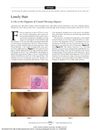
October 2011 in “Archives of Dermatology” Isolated long hairs at the original hairline can help diagnose Frontal Fibrosing Alopecia.
 September 2022 in “Tropical grasslands-Forrajes tropicales”
 Leucaena feed helps farmers grow larger cattle herds and is good for fattening, but its safety for breeding cows is unclear.
September 2023 in “Animals” Genes linked to wool fineness in sheep have been identified.
12 citations
,
January 2019 in “AIP conference proceedings” Propolis from Tetragonula biroi bees may help fight cancer cells.
 8 citations
,
January 2007 in “International journal of experimental pathology”
8 citations
,
January 2007 in “International journal of experimental pathology” Hairless HRS/J mice resist Bacillus anthracis skin infections due to high numbers of immune cells, not because they lack hair follicles.
11 citations
,
March 2016 in “PubMed” Tinea capitis in adults is best treated with oral terbinafine, but other medications may be needed for resistant infections, and family and pets should be checked to prevent reinfection.
 8 citations
,
January 2007 in “Mycoses”
8 citations
,
January 2007 in “Mycoses” A man's scalp infection, mistaken for bacterial, was actually a rare fungal infection treated successfully with antifungal medication.
2 citations
,
January 2016 in “İzmir Dr.Behçet Uz çocuk hastanesi dergisi” A child's scalp infection was caused by a fungus not previously known to do so, but it was successfully treated.
 15 citations
,
June 2018 in “Journal of Chromatographic Science”
15 citations
,
June 2018 in “Journal of Chromatographic Science” Researchers developed a method to measure plant compounds in rat blood and found they are quickly absorbed and eliminated within 36 hours.
1 citations
,
March 2024 in “Oxford Medical Case Reports” Moth-eaten hair loss can be a sign of syphilis.
December 2022 in “Laboratory Animal Research” Trichoblastomas in aged house musk shrews show unique features and may involve serum amyloid A in inflammation.
 8 citations
,
December 2015 in “PubMed”
8 citations
,
December 2015 in “PubMed” Phyllanthus niruri extract may help treat hair loss by promoting hair growth and blocking a hair loss-related enzyme.
January 1981 in “Purdue e-Pubs (Purdue University)” Pig skin is similar to human skin, with no major changes as they age.
1 citations
,
January 2019 in “Zenodo (CERN European Organization for Nuclear Research)” Eclipta alba has unique stem, leaf, and root features, including air cavities and secretory structures.
3 citations
,
January 2021 in “International journal of general medicine” An 8-year-old boy with a scabies infection was successfully treated with permethrin, antihistamines, and antibiotics.
37 citations
,
June 2000 in “Experimental dermatology” The Lanceolate hair-J mutation in mice mimics human hair disorders like Netherton's syndrome.
54 citations
,
October 2007 in “The FASEB Journal” Phospholipase C-δ1 is crucial for normal hair development.
24 citations
,
November 2003 in “The FASEB Journal” Epimorphin helps start hair growth in mice.
20 citations
,
September 2004 in “Journal of Anatomy” The inner root sheath evolved to help hair grow safely through the skin in mammals.