 November 2023 in “ACS Applied Polymer Materials”
 The new method extracts keratin from hair faster and better, and the resulting product improves blood clotting and wound healing, with potential for personalized treatments.
 92 citations
,
January 1999 in “Physics in Medicine and Biology”
92 citations
,
January 1999 in “Physics in Medicine and Biology” Skin can be cooled quickly and safely during laser treatments to protect it without affecting deeper layers.
December 2018 in “Dermatologic Surgery” Using a 25% trichloroacetic acid peel improves dermabrasion results in vitiligo surgery.
January 2024 in “Journal of Cutaneous and Aesthetic Surgery” The modified needle is safer for procedures by reducing injury risk.
December 2012 in “SWU eJournals System (Srinakharinwirot University)” Chemical hair removal can cause skin irritation and other issues, but natural alternatives are being explored.
 70 citations
,
June 2017 in “Nature Communications”
70 citations
,
June 2017 in “Nature Communications” A new laser technique can precisely remove specific cell types in living animals without harming nearby cells.
March 2026 in “Drug Testing and Analysis” PTeCA is a reliable marker for detecting oxidative hair treatments.
 1 citations
,
July 2015 in “European Journal of Dermatology”
1 citations
,
July 2015 in “European Journal of Dermatology” CO₂ laser treatment is fast and effective for some benign skin tumors with minimal side effects.
 23 citations
,
September 2014 in “JEADV. Journal of the European Academy of Dermatology and Venereology/Journal of the European Academy of Dermatology and Venereology”
23 citations
,
September 2014 in “JEADV. Journal of the European Academy of Dermatology and Venereology/Journal of the European Academy of Dermatology and Venereology” Laser treatments are the most effective for porokeratotic adnexal ostial nevus.
January 2025 in “Journal of Biosciences and Medicines” Careful patient selection is crucial for safe and effective fractional CO2 laser therapy.
 1 citations
,
June 2021 in “Case reports in gastrointestinal medicine”
1 citations
,
June 2021 in “Case reports in gastrointestinal medicine” Using camphorated and mentholated chlorophenol in dental treatments can lead to severe gastrointestinal issues and hair and nail loss.
June 1958 in “Mycopathologia” Selective chemical epilation effectively treats tinea capitis without harmful side effects.
2 citations
,
May 2018 in “Dermatologic Surgery”  3 citations
,
March 1994 in “The Journal of Dermatologic Surgery and Oncology”
3 citations
,
March 1994 in “The Journal of Dermatologic Surgery and Oncology” Using a tungsten needle for scalp reduction surgery improves healing, reduces hair loss, and lessens scarring.
 1 citations
,
January 1994 in “The Journal of Dermatologic Surgery and Oncology”
1 citations
,
January 1994 in “The Journal of Dermatologic Surgery and Oncology” The success of a chemical peel depends on assessing the depth of peeling accurately to achieve safe and predictable results.
 1 citations
,
March 2024 in “International Journal of Dermatology”
1 citations
,
March 2024 in “International Journal of Dermatology” CO2 laser-associated PDT effectively treated therapy-resistant folliculitis decalvans.
13 citations
,
July 2024 in “Medicina” Lasers can trigger skin reactions, especially in darker skin, and more research is needed to improve treatments.
 April 2017 in “Journal of Investigative Dermatology”
 10% carbamide peroxide is safe and effectively reduces mild to moderate acne.
6 citations
,
November 2001 in “Der Hautarzt” Photothermolysis is the best method for permanent hair removal.
June 2026 in “BULLETIN OF STOMATOLOGY AND MAXILLOFACIAL SURGERY” Keratoacanthoma should be accurately diagnosed and treated based on its characteristics, often using surgery or tissue-preserving methods.
October 2024 in “Biomedical Reports” Superoxidized electrolyzed solution (SES) is more effective for burn healing than common antiseptics.
 65 citations
,
November 2004 in “Journal of the American Academy of Dermatology”
65 citations
,
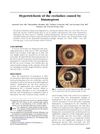
November 2004 in “Journal of the American Academy of Dermatology” Bimatoprost can cause excessive eyelash growth.
 1 citations
,
January 2015 in “Actas dermo-sifiliográficas/Actas dermo-sifiliográficas”
1 citations
,
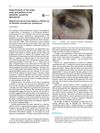
January 2015 in “Actas dermo-sifiliográficas/Actas dermo-sifiliográficas” Latanoprost eye drops caused excessive cheek hair growth and eyelash whitening in a woman.
Laser therapy is effective for treating vascular lesions with the right light settings and trained professionals.
September 2017 in “Journal of Investigative Dermatology” Photodynamic therapy can potentially remove nonpigmented hair by damaging hair follicles.
 9 citations
,
September 1947 in “Archives of dermatology and syphilology”
9 citations
,
September 1947 in “Archives of dermatology and syphilology” Electrolysis is better for permanent hair removal with less scarring.
 April 2019 in “Journal of Investigative Dermatology”
 Fractional photothermolysis helps wounds heal with minimal scarring.
3 citations
,
August 2024 in “Clinical Cosmetic and Investigational Dermatology” The 1927 nm fractional thulium laser effectively treats acne by targeting and improving affected skin areas.
January 2024 in “Skin Appendage Disorders” Serial Excision Technique improves appearance and quality of life for cicatricial alopecia patients.
March 2019 in “Dermatologic Surgery”