 4 citations
,
August 2010 in “Acta Biologica Hungarica”
4 citations
,
August 2010 in “Acta Biologica Hungarica” New steroidal compounds moderately block an enzyme related to testosterone conversion, less effectively than finasteride.
 January 2018 in “International Journal of Advances in Scientific Research and Engineering”
 A new method accurately measures phenolic compounds in Ziziphus Jujuba extract quickly and efficiently.
The shampoo with 10% SLS had the best physical properties.
49 citations
,
May 2021 in “Bulletin of the National Research Centre/Bulletin of the National Research Center” Plantain has potential medicinal benefits but needs more research for safety and effectiveness.
22 citations
,
December 2020 in “mSphere” A fungal enzyme was used to make compounds more soluble, aiding drug discovery and crop protection.
 19 citations
,
March 2011 in “Cutaneous and Ocular Toxicology”
19 citations
,
March 2011 in “Cutaneous and Ocular Toxicology” Some chemicals absorbed through the skin can cause serious health problems.
15 citations
,
March 2023 in “Heliyon” Beehive extracts may help with anxiety, depression, and inflammation.
13 citations
,
January 1997 in “Biochemical Pharmacology” Human liver enzyme DHEA ST helps process minoxidil.
 January 2025 in “International Journal of Zoological Investigations”
 Myristica fragrans shows promise as an anti-inflammatory agent.
22 citations
,
June 2021 in “Plants” Sterculia foetida seed extract shows promise for therapeutic use due to its anti-inflammatory and pain-relief properties.
10 citations
,
March 2010 in “Journal of Food Biochemistry” Tamarind seed coats have strong antioxidant properties and could be used in health products and food preservatives.
4 citations
,
September 1971 in “Crop Science” Crownvetch seed leachate stunts seedling growth due to toxic compounds.
 3 citations
,
January 2016 in “Chemical sciences journal”
3 citations
,
January 2016 in “Chemical sciences journal” Tridax procumbens plant extracts, especially from ethanol, have strong antibacterial effects and contain beneficial compounds like flavonoids and tannins.
August 2025 in “OPAL (Open@LaTrobe) (La Trobe University)” Certain hydroxycinnamate derivatives may effectively inhibit enzymes linked to hair loss with low toxicity.
July 2025 in “Food Safety and Health” American and Chinese ginseng have distinct metabolic profiles that help identify their origin.
January 2017 in “Journal of Drug Research in Ayurvedic Sciences” Arjuna flowers have specific features and compounds useful for their identification and standardization.
1 citations
,
January 2023 in “Chemical Engineering Journal”  40 citations
,
June 2013 in “Journal of cosmetic dermatology”
40 citations
,
June 2013 in “Journal of cosmetic dermatology” Brazilian keratin treatments can straighten hair but may contain harmful formaldehyde.
23 citations
,
June 2014 in “International Journal of Cosmetic Science” Glyoxylic acid is a safer alternative to formaldehyde for hair straightening and effectively changes hair structure.
15 citations
,
November 2024 in “Materials” PHAs are promising biodegradable materials for medical and dental uses.
Diphenyl cresyl phosphate has low toxicity but can harm the liver, kidneys, adrenal glands, and testicles at high doses.
May 2023 in “Journal of Scientific Research”  January 2007 in “Proceedings of the Korean Fiber Society Conference”
 New resin B makes artificial hair fibers hold curls longer than traditional resin A.
 August 2005 in “Microscopy and Microanalysis”
 Polymethylene wax in hair relaxers makes hair smooth and shiny with less damage.
 1 citations
,
January 2024 in “Scientific reports (Nature Publishing Group)”
1 citations
,
January 2024 in “Scientific reports (Nature Publishing Group)” Human hair was used to make biodegradable plastic films that could be useful for packaging and disposable products.
January 2026 in “SSRN Electronic Journal” 
A rigid compound with a common structural motif was successfully synthesized.

Quickly fix tissue in formalin after excision to preserve it.
28 citations
,
January 2016 in “RSC Advances” A non-toxic formula using polycarboxylic acids strengthens and improves hair.
 June 2017 in “University of the Arts London Research Online (University of the Arts London)”
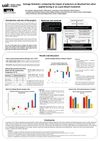
 Polymers help reduce damage and improve bleached hair when used during or after bleaching.