 April 2018 in “Journal of Investigative Dermatology”
 Kaempferol helps skin stem cells grow and may improve skin thickness due to its 3-OH group.
 April 2018 in “Journal of Investigative Dermatology”
 Removing STAT5 from 3D-cultured human skin cells reduces their ability to grow hair.
 April 2018 in “Journal of Investigative Dermatology”
 Ginsenoside Rd may help improve skin aging by increasing collagen in the skin.
 April 2018 in “Journal of Investigative Dermatology”
  116 citations
,
February 2017 in “Journal of the American Academy of Dermatology”
116 citations
,
February 2017 in “Journal of the American Academy of Dermatology” JAK inhibitors help with skin conditions but need more research on dosing and safety.
 222 citations
,
September 2016 in “JCI insight”
222 citations
,
September 2016 in “JCI insight” Tofacitinib is safe and effective for severe alopecia areata, but hair loss may return 2 months after stopping treatment.
 1 citations
,
January 2019 in “Annals of dermatology/Annals of Dermatology”
1 citations
,
January 2019 in “Annals of dermatology/Annals of Dermatology” STAT5 is crucial for hair growth in 3D cultured human dermal papilla cells.
 9 citations
,
January 2018 in “Acta Clinica Croatica”
9 citations
,
January 2018 in “Acta Clinica Croatica” Bendamustine, often combined with other drugs, is effective and less toxic for certain blood cancers, but less effective for young, fit patients with CLL.
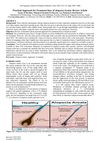 July 2023 in “The Egyptian Journal of Hospital Medicine ”
 The conclusion is that emotional support and a variety of treatments are important for alopecia areata, but more research is needed.
 February 2021 in “Journal of pharmaceutical and biological sciences”
 No cure exists for alopecia areata, and treatments are personalized.
5 citations
,
August 2024 in “Frontiers in Immunology” Upadacitinib effectively treats psoriasiform eczema and some related conditions.
January 2026 in “International Journal of Endocrinology” Lowering HER2 levels with certain drugs may reduce metabolic syndrome risk in women.
6 citations
,
March 2019 in “Medical science monitor basic research/Medical science monitor. Basic research” VEGFR-2 is active in hair follicles, sebaceous glands, sweat glands, and skin on the human scalp.
24 citations
,
January 2023 in “Cancer Research” AMPK activation may reduce melanoma risk in red-haired individuals.
 30 citations
,
October 2021 in “Scientific Reports”
30 citations
,
October 2021 in “Scientific Reports” Inhibiting glycogen metabolism can promote hair growth.
 August 2024 in “Biomolecules & Therapeutics”
 A new compound, HTPI, promotes hair growth by protecting cells from damage and regulating energy use.
80 citations
,
June 2002 in “Molecular Biology of the Cell” Type II keratins are uniquely phosphorylated during stress and mitosis, affecting their structure and function.
75 citations
,
June 2007 in “Journal of Biological Chemistry” MT-DADMe-ImmA can selectively kill head and neck cancer cells without harming normal cells.
 30 citations
,
December 2011 in “Journal of biological chemistry/The Journal of biological chemistry”
30 citations
,
December 2011 in “Journal of biological chemistry/The Journal of biological chemistry” Keratin 17 is modified by RSK1 in response to growth and stress, affecting skin growth and stress response.
 226 citations
,
January 2002 in “Biological and Pharmaceutical Bulletin”
226 citations
,
January 2002 in “Biological and Pharmaceutical Bulletin” A new method quickly extracts and identifies proteins from hair and other keratin sources.
6 citations
,
June 1976 in “Journal of Investigative Dermatology” 505 citations
,
October 2011 in “Journal of clinical oncology” MK-2206 was safe and effectively blocked AKT signaling in cancer patients, warranting more trials.
 108 citations
,
November 2006 in “Phytomedicine”
108 citations
,
November 2006 in “Phytomedicine” Green tea component EGCG could potentially promote human hair growth.
 53 citations
,
July 2011 in “Biomaterials”
53 citations
,
July 2011 in “Biomaterials” Human liver cells stick to hair protein materials mainly through the liver's asialoglycoprotein receptor.
 31 citations
,
February 2014 in “Journal of dermatological science”
31 citations
,
February 2014 in “Journal of dermatological science” Placental growth factor may help treat hair loss.
26 citations
,
May 2007 in “Differentiation” Foxn1 helps skin cells mature by controlling a specific protein's activity.
 24 citations
,
March 2017 in “Archives of Gynecology and Obstetrics”
24 citations
,
March 2017 in “Archives of Gynecology and Obstetrics” The study found that women with hyperandrogenic PCOS have higher levels of AKT1 and AKT2 proteins in their cells, which may lead to cell dysfunction.
20 citations
,
November 2020 in “Stem Cell Research & Therapy” Enhanced stem cells from the placenta can help treat Graves' eye disease by stopping fat cell growth.
 12 citations
,
February 2014 in “PLoS ONE”
12 citations
,
February 2014 in “PLoS ONE” Topical rapamycin may effectively treat fibrous papules on the face.
11 citations
,
February 2018 in “Oncotarget” Lower SMAD2/3 activation predicts more severe skin cancer.