 March 2026 in “Voprosy dermatologii i venerologii/Dermatologiâ ža̋ne veneralogiâ ma̋selelerì”
 Expand access to prevention and address barriers for sex workers in Kostanay.
 December 2025 in “Italian Journal of Anatomy and Embryology”
 Understanding embryologic layers improves skin disorder diagnosis and supports developing targeted therapies.
 December 2025 in “Journal of Pharma Insights and Research.”
 Injectable cryogels can deliver drugs and aid tissue repair with minimal surgery.
 September 2025 in “Cureus”
 Personalized anti-aging treatments improve youthfulness and quality of life.
 April 2024 in “Lasers in medical science”
 Near-infrared LED light improves skin rejuvenation and hair growth better than white LED light.
 April 2024 in “bioRxiv (Cold Spring Harbor Laboratory)”
 A gene network led by RSL4 is crucial for early root hair growth in response to cold in Arabidopsis thaliana.

The Chromolaena odorata patch significantly speeds up wound healing.

Elastin-like recombinamers show promise for better wound healing and skin regeneration.
 November 2023 in “bioRxiv (Cold Spring Harbor Laboratory)”
 Scientists made a mouse that shows how a specific protein in the skin changes and affects hair growth and shape.
 May 2023 in “Current Medicinal Chemistry”
 Microneedle patches improve drug delivery for skin treatments and cosmetic enhancements.
 May 2022 in “Research Square (Research Square)”
 OBEME effectively enhances wound healing and could be a promising carrier for skin treatments.
 January 2022 in “Acta dermatovenerologica Alpina, Pannonica et Adriatica (Tiskana izd.)”
 Uncombable hair syndrome causes frizzy hair and can affect the nervous system, eyes, and ears, often co-occurring with other hair, skin, nail, and teeth conditions, and is linked to three specific gene mutations.
 November 2021 in “International journal of life science and pharma research”
 The new gel for psoriasis is effective, stable, and easy to apply.
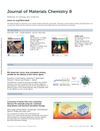 January 2016 in “Journal of Materials Chemistry B”
 Advancements in biomaterials and nanotechnology are improving medical applications like hair growth, bone regeneration, and cancer treatment.

Keratin hydrogels from human hair show promise for tissue engineering and regenerative medicine.
 May 2013 in “Springer eBooks”
 Skin problems in the elderly are unique and may indicate other diseases, involving changes in skin, hair, nails, and increased cancer risk.
 January 2011 in “Side effects of drugs annual”
 Tretinoin gel is safe for sun exposure, but tacalcitol doesn't significantly improve non-segmental vitiligo.

Acidic sandy clay damages archaeological hair the most, while dry conditions preserve but make it brittle; silicone oil can help keep the hair flexible.
 150 citations
,
June 2014 in “Biomaterials”
150 citations
,
June 2014 in “Biomaterials” Peptide hydrogels heal burn wounds faster and better than standard dressings.
 May 2026 in “Organoid Research”
 Hydrogel-based methods improve skin organoid development for medical and research applications.
 June 2026 in “International Journal of Bioprinting”
 3D bioprinting shows promise for skin regeneration but needs more development to fully replicate natural skin.
 May 2026 in “Organoid Research”
 Hydrogel-based hair follicle organoids could help treat hair loss and improve drug testing.
 153 citations
,
January 2001 in “Science”
153 citations
,
January 2001 in “Science” Using CDK inhibitors on rats showed a reduction in chemotherapy-caused hair loss, but later experiments could not repeat these results.
 127 citations
,
January 2015 in “Journal of Biological Rhythms”
127 citations
,
January 2015 in “Journal of Biological Rhythms” The skin's internal clock affects healing, cancer risk, aging, immunity, and hair growth, and disruptions can harm skin health.
 112 citations
,
May 2019 in “Pharmacological Research”
112 citations
,
May 2019 in “Pharmacological Research” Lignans and neolignans from plants may help protect against various health issues, including cancer and heart disease.
 95 citations
,
February 2018 in “Dermatology and Therapy”
95 citations
,
February 2018 in “Dermatology and Therapy” Nutraceuticals may improve skin health and protect against aging, but more research is needed on their optimal use and possible health risks.
 87 citations
,
July 2009 in “The journal of investigative dermatology/Journal of investigative dermatology”
87 citations
,
July 2009 in “The journal of investigative dermatology/Journal of investigative dermatology” Human beard hair medulla contains a unique and complex mix of keratins not found in other human tissues.
 84 citations
,
January 2008 in “Cold Spring Harbor Symposia on Quantitative Biology”
84 citations
,
January 2008 in “Cold Spring Harbor Symposia on Quantitative Biology” Skin stem cells help maintain skin health, grow hair, and heal wounds.
 83 citations
,
January 2015 in “World Journal of Stem Cells”
83 citations
,
January 2015 in “World Journal of Stem Cells” Hair follicle regeneration needs special conditions and young cells.
 75 citations
,
November 2016 in “Medicines”
75 citations
,
November 2016 in “Medicines” Beta-sitosterol has potential health benefits but needs more research to fully understand its effects and improve its use in treatments.