March 2017 in “Jurnal materi dan pembelajaran fisika” Light diffraction helps in eye surgery, brain treatments, and detecting hair loss and genetic diseases.
 106 citations
,
January 2016 in “Journal of Cosmetic Dermatology”
106 citations
,
January 2016 in “Journal of Cosmetic Dermatology” Using platelet-rich plasma with microneedling works better for acne scars than microneedling with water.
2 citations
,
January 1968 in “PubMed” Sulfur-containing radioprotectors can protect hair from X-ray damage if given before exposure but worsen damage if given after.
3 citations
,
August 2024 in “Clinical Cosmetic and Investigational Dermatology” The 1927 nm fractional thulium laser effectively treats acne by targeting and improving affected skin areas.
 28 citations
,
December 2017 in “Lasers in Medical Science”
28 citations
,
December 2017 in “Lasers in Medical Science” Monochromatic light devices, especially the 308-nm excimer laser, are promising for treating alopecia areata but more research is needed.
 July 2024 in “Medical alphabet”
 Modern therapies, like fractional laser, effectively treat telogen effluvium.
 April 2016 in “JAMA Dermatology”
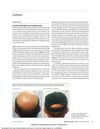
 Baseball caps don't fully protect bald spots on the back of the head from sun damage; wear wide-brimmed hats or use sunscreen.
 41 citations
,
September 2005 in “Wound Repair and Regeneration”
41 citations
,
September 2005 in “Wound Repair and Regeneration” Hydrogen peroxide can cause scars by changing healing processes and increasing certain protein levels.
27 citations
,
July 2013 in “Journal of dermatological treatment” Laser therapy may effectively treat persistent scalp inflammation.
September 2024 in “Journal of the American Academy of Dermatology” Subcision is the most efficient, cost-effective, and safest treatment for post-acne boxcar scarring in skin of color.
April 2021 in “The journal of investigative dermatology/Journal of investigative dermatology” TET enzymes are important for skin and hair development by controlling gene activity in specific areas.
December 2014 in “Actas dermo-sifiliográficas/Actas dermo-sifiliográficas” Hair removal with intense pulsed light can cause rare skin lesions that are hard to fully treat.
 6 citations
,
November 2013 in “International Journal of Radiation Biology”
6 citations
,
November 2013 in “International Journal of Radiation Biology” Gamma-rays exposure during the resting phase of hair growth can damage hair regeneration and color in mice.
4 citations
,
February 2023 in “Frontiers in Oncology” Nano-Pulse Stimulation™ Therapy is more effective and less damaging than cryoablation for treating melanoma tumors in mice.
 20 citations
,
June 2012 in “British Journal of Dermatology”
20 citations
,
June 2012 in “British Journal of Dermatology” Bleaching hair damages protein structure, especially keratin, leading to weakened hair.
1 citations
,
December 2025 in “Photodermatology Photoimmunology & Photomedicine” Phototherapy effectively treats certain alopecia areata types, especially if started early.
 April 2023 in “Journal of Investigative Dermatology”
 ALRN-6924 can protect hair follicles from chemotherapy damage by temporarily stopping cell division.
16 citations
,
October 2004 in “Journal of Investigative Dermatology” Normal human melanocytes can avoid cell death through multiple pathways.
 5 citations
,
October 2014 in “Journal of cosmetic and laser therapy”
5 citations
,
October 2014 in “Journal of cosmetic and laser therapy” Combining physical dermabrasion with chemical peeling is more effective for skin treatment than chemical peeling alone.
15 citations
,
August 2011 in “Lasers in medical science” The 755-nm alexandrite laser effectively and quickly treats trichostasis spinulosa with minimal pain and no side effects.
1 citations
,
December 2014 in “Zenodo (CERN European Organization for Nuclear Research)” The method effectively induces skin cancer in mice for studying tumor development.
3 citations
,
May 1964 in “Nature”  4 citations
,
August 2021 in “Journal of the Korean Society of Cosmetology”
4 citations
,
August 2021 in “Journal of the Korean Society of Cosmetology” Plasma hairdryers cause less hair damage than regular hot air dryers.
May 2022 in “The journal of investigative dermatology/Journal of investigative dermatology” Loss of TET2 increases the risk of skin and oral cancer.
28 citations
,
January 2005 in “Photochemistry and Photobiology” Protein kinase C epsilon may increase skin cancer risk by affecting nearby cells.
 1 citations
,
January 2002
1 citations
,
January 2002 Hair shine can be measured by how it reflects laser light.
January 2014 in “프로그램북(구 초록집)” Laser and light treatments show promise for hair growth but need more research.
 36 citations
,
October 2014 in “Langmuir”
36 citations
,
October 2014 in “Langmuir” Bleaching hair removes its protective top layer and exposes more hydrophilic groups, changing its chemical surface and affecting how it interacts with products.
 April 2019 in “Journal of Investigative Dermatology”
 Caffeine can protect scalp hair follicles from damage caused by UV radiation.
November 2025 in “Journal of Investigative Dermatology” Tanning ability is linked to specific DNA changes in skin genes.