Hair care products can cause skin irritation and allergies.
11 citations
,
July 1993 in “The journal of investigative dermatology/Journal of investigative dermatology” September 2010 in “International Journal of Cosmetic Science” Chemical treatments change hair surface properties, making it more hydrophilic and able to bind conditioners.
 14 citations
,
October 2021 in “Dermatology and Therapy”
14 citations
,
October 2021 in “Dermatology and Therapy” UV exposure accelerates skin aging by altering elastin, leading to wrinkles.
4 citations
,
January 2025 in “Pharmaceutics” The gel is a safe and effective treatment for hyperpigmentation.
18 citations
,
November 2009 in “Archives of Dermatology” Calcipotriol doesn't prevent hypertrophic scars, but keratinocyte activation is important in scar formation.
70 citations
,
June 2023 in “International Journal of Molecular Sciences” Air pollution harms skin health and can worsen skin diseases.
 January 2025 in “Dermatology Research and Practice”
 The treatment effectively repairs and strengthens damaged hair by restoring natural lipids.
 July 2021 in “International journal of dermatology, venereology and leprosy sciences”
 Diphenylcyclopropenone is more effective and has fewer side effects than dinitrochlorobenzene for treating alopecia areata.
 January 2017 in “Lasers in Surgery and Medicine”
 The 2017 issue emphasized progress in laser and energy-based skin treatments, but noted the need for more research on certain procedures and technologies.
21 citations
,
January 2007 in “Journal of the European Academy of Dermatology and Venereology” Travoprost can help eyelash growth but may cause darkening around the eyes.
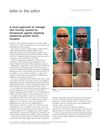 4 citations
,
March 2012 in “Annals of oncology”
4 citations
,
March 2012 in “Annals of oncology” New treatment with green tea polyphenols and nicotinamide improves skin problems from cancer therapy.
 28 citations
,
December 2011 in “Biocatalysis and biotransformation”
28 citations
,
December 2011 in “Biocatalysis and biotransformation” PDI helps restore over-bleached hair's strength and structure by attaching special peptides.
 January 1998 in “Lasers in Surgery and Medicine”
 Lasers are effective and safe for various medical treatments, including cancer, wound healing, and skin conditions.
 62 citations
,
January 2003 in “Dermatology”
62 citations
,
January 2003 in “Dermatology” Sunlight worsens hair loss; protect scalp.
16 citations
,
January 1998 in “PubMed” Sun exposure and genetics increase skin cancer risk from precancerous lesions.
1 citations
,
January 2025 in “Anais Brasileiros de Dermatologia” Non-drug methods can help protect hair from damage caused by genetics, UV rays, and pollution.
 February 2012 in “Australasian Journal of Dermatology”
 Some moles can disappear naturally, maintenance therapy for Stage 1 mycosis fungoides may not be necessary, allergic skin reactions in children are rising, weekly methotrexate for psoriasis is more effective than daily, long-term finasteride use improves hair growth with few side effects, and petrolatum improves UV therapy for psoriasis.
9 citations
,
January 2021 in “Journal of the American Academy of Dermatology” January 2026 in “Dermatologic Therapy” Photobiomodulation therapy effectively promotes hair regrowth and improves quality of life in alopecia areata without side effects.
January 2023 in “Figshare” Triple therapy with clobetasol, hydroxychloroquine, and N-acetylcysteine is recommended for better outcomes in treating lichen planopilaris.
 2 citations
,
March 2019 in “Lasers in surgery and medicine”
2 citations
,
March 2019 in “Lasers in surgery and medicine” Higher light doses cause more damage to hair follicles, predicting better hair removal results.
 1 citations
,
April 2016 in “Journal of Investigative Dermatology”
1 citations
,
April 2016 in “Journal of Investigative Dermatology” UV photography can help identify people at higher risk for skin cancer, and male pattern baldness at age 45 is linked to a higher risk of certain skin cancers.
 April 2023 in “Journal of Investigative Dermatology”
 The research developed methods to test drugs that could protect and restore hair follicle protection in a hair loss condition.
 January 2017 in “Archives of clinical and biomedical research”
 Enhancing melanin's energy generation may help treat alopecia areata.
 October 2019 in “International journal of research in dermatology”
 Misusing topical corticosteroids can cause skin darkening and other side effects.
 October 2023 in “arXiv (Cornell University)”
 Human hair keratins might be good for filtering out harmful substances like diclofenac and PFBS from water.
 13 citations
,
July 2011 in “Journal of Dermatological Treatment”
13 citations
,
July 2011 in “Journal of Dermatological Treatment” Clobetasol and pimecrolimus are similarly effective for alopecia areata, but pimecrolimus has fewer side effects and is preferred for long-term use.
January 2026 in “Journal of Aesthetic Nursing” Polynucleotides improve skin quality and are safe and effective for rejuvenation.
 1 citations
,
January 2008 in “Laser therapy”
1 citations
,
January 2008 in “Laser therapy” Endré Mester is highly regarded as the 'Godfather' of phototherapy.