31 citations
,
February 1999 in “Dermatologic surgery” Sun exposure after laser hair removal can cause skin darkening, which is hard to treat and requires avoiding UV light.
April 2005 in “Journal of Investigative Dermatology” Vitamin D helps protect skin, PSORS1 gene's risk interval for psoriasis is expanded, hair follicles can be generated from mouse cells, and interferon-γ may cause pigmented skin lesions.
September 2015 in “Photodiagnosis and Photodynamic Therapy” 60 citations
,
September 2001 in “British journal of dermatology/British journal of dermatology, Supplement” Topical contact sensitizers can treat certain skin conditions by changing the immune response.
 17 citations
,
April 2004 in “Acta Clinica Belgica”
17 citations
,
April 2004 in “Acta Clinica Belgica” UV light makes skin signs of lack of carotene and vitamin A more visible.
September 2019 in “Journal of Investigative Dermatology” PCE-DP brightens skin and promotes hair growth by enhancing cell growth and reducing melanin uptake.
 April 2016 in “Journal of The American Academy of Dermatology”
 Daylight photodynamic therapy is effective and well-tolerated for treating actinic keratoses with minimal side effects.
4 citations
,
August 2015 in “Journal of Cosmetic Dermatology” Sunscreens with UVA blockers effectively reduce skin fluorescence for several hours.
 114 citations
,
April 2004 in “International Journal of Dermatology”
114 citations
,
April 2004 in “International Journal of Dermatology” Postinflammatory hyperpigmentation causes dark skin patches and needs personalized treatment.
 23 citations
,
March 2019 in “The journal of investigative dermatology/Journal of investigative dermatology”
23 citations
,
March 2019 in “The journal of investigative dermatology/Journal of investigative dermatology” ATP increases melanin production in skin after UV exposure, with the P2X7 receptor being crucial for this process.
 1 citations
,
May 2018 in “International Journal of Molecular Biology Open Access”
1 citations
,
May 2018 in “International Journal of Molecular Biology Open Access” Hydrogen peroxide is a major risk factor for melanoma in swimmers, more than UV light.
 1 citations
,
September 2025 in “Journal of Zhejiang University SCIENCE B”
1 citations
,
September 2025 in “Journal of Zhejiang University SCIENCE B” Photodynamic therapy successfully treated skin cancer in a 53-year-old woman.
 16 citations
,
August 2015 in “Journal of Experimental & Clinical Cancer Research”
16 citations
,
August 2015 in “Journal of Experimental & Clinical Cancer Research” The photolyase-based device significantly changed the size and heat of potential skin cancer areas in patients.
 3 citations
,
October 2024 in “Frontiers in Medicine”
3 citations
,
October 2024 in “Frontiers in Medicine” Sun-exposed skin shows different cell activity and gene expression, suggesting targets to prevent skin aging and cancer.
 November 2022 in “Journal of Investigative Dermatology”
 A new molecule was found to be a safe and effective skin lightener and anti-aging product.
3 citations
,
September 2023 in “Journal of Photochemistry and Photobiology A Chemistry” 16 citations
,
September 1999 in “Journal of Investigative Dermatology Symposium Proceedings” 14 citations
,
July 2015 in “International Journal of Molecular Sciences” S-Methylmethionine sulfonium can protect skin from UVB damage.
 July 2023 in “Photodermatology, Photoimmunology and Photomedicine”
 Infrared radiation can cause skin aging and cancer at high temperatures but may have therapeutic benefits at controlled levels.
1 citations
,
November 2021 in “Journal of General and Family Medicine” Stopping finasteride improved a man's skin rash caused by light exposure.
 July 2022 in “The journal of investigative dermatology/Journal of investigative dermatology”
 Increasing type 17 collagen reduces aging signs in skin cells caused by UV light.
January 2014 in “한국미용학회지” UV-A radiation significantly damages semi-permanent dyed hair.
6 citations
,
May 2025 in “Cosmetics” Sunscreen technology is improving with new ingredients and methods to better protect skin from sun damage.
 23 citations
,
July 2008 in “British journal of dermatology/British journal of dermatology, Supplement”
23 citations
,
July 2008 in “British journal of dermatology/British journal of dermatology, Supplement” Topical contact sensitizers can treat certain skin conditions but are rarely used in the U.K.
June 2026 in “British Journal of Dermatology” Photodynamic therapy for actinic keratosis can cause permanent hair loss.
 1 citations
,
April 2016 in “Journal of Investigative Dermatology”
1 citations
,
April 2016 in “Journal of Investigative Dermatology” UV photography can help identify people at higher risk for skin cancer, and male pattern baldness at age 45 is linked to a higher risk of certain skin cancers.
1 citations
,
January 2007 in “Side effects of drugs annual” Dermatological treatments can have significant side effects, including allergic reactions, sexual dysfunction, and increased cancer risk.
 10 citations
,
January 2010 in “Acta dermato-venereologica”
10 citations
,
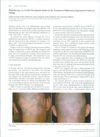
January 2010 in “Acta dermato-venereologica” Light therapy can effectively treat vitiligo and hair loss caused by a specific medication.
November 2025 in “Journal of Investigative Dermatology” Light skin shows more inflammation from sun exposure than dark skin.
1 citations
,
January 2022 in “Book Publisher International (a part of SCIENCEDOMAIN International)” Hydrogen peroxide is the main risk factor for melanoma in swimmers, not UV light.