Search
for
Sort by
Research
390-420 / 1000+ results
research Type 3 autoimmune polyendocrine syndrome (APS) diagnosed in an 87-year-old patient with a concomitant chronic autoimmune urticaria
An 87-year-old woman was diagnosed with type 3 autoimmune polyendocrine syndrome and had multiple autoimmune issues.
research CLINICAL CASE OF PSEUDOFOLLICULITIS: КЛИНИЧЕСКИЙ СЛУЧАЙ ПСЕВДОФОЛЛИКУЛИТА ВОЛОС БОРОДЫ
Pseudofolliculitis causes painful bumps and dark spots from shaving, especially in people with curly hair, and can be treated by changing shaving habits and using specific topical treatments.
research Erosive pustular dermatosis of the scalp
Topical steroids can manage chronic scalp pustules in elderly women.
research A case of cicatricial alopecia associated with pemphigus: a case report
The link between pemphigus and the patient's scarring hair loss is still unclear.

research Neuropathic Pruritus: An Underrecognized and Often Misdiagnosed and Difficult to Treat Medical Condition
Neuropathic pruritus is a commonly overlooked and wrongly diagnosed type of chronic itching that is hard to treat.
research A linear and reticulate crusted keratotic papulopustular eruption: a rare presentation of PRIDE (Papulopustules and/or paronychia, Regulatory abnormalities of hair growth, Itching, and Dryness due to Epidermal growth factor receptor inhibitors) complex
A rare skin reaction from cancer treatment was successfully managed with topical treatments and antihistamines.
research Case report - Hair shaft normalization and hair growth in SPINK5-syndromic epidermal differentiation disorder (Netherton syndrome) while on treatment with dupilumab: a novel therapeutic approach for Trichorrhexis invaginata
Dupilumab improved hair and skin in a woman with Netherton syndrome.
research Syringolymphoid hyperplasia with alopecia and anhidrosis in a 12‐year‐old boy: a case report from rural south India
A 12-year-old boy in rural south India had a rare skin condition causing hair loss and inability to sweat.
research Pseudo "fringe sign" in frontal fibrosing alopecia
Frontal fibrosing alopecia can mimic traction alopecia but has distinct features like facial papules and eyebrow thinning.
research Inherited Disorders of Corneocyte Proteins
Ichthyoses are genetic skin disorders that affect the skin's barrier function.

research Dermoscopy of annular elastolytic giant cell granuloma
Dermoscopy helped diagnose a rare skin disease which slightly improved with treatment.

research Moth eaten alopecia as a manifestation of group of skin diseases: Reporting a series of 100 cases
Moth-eaten alopecia is linked to various skin diseases and requires early treatment to prevent worsening.

research Pyoderma Gangrenosum with Neurofibromatosis: Understanding a Possible Relationship and Identifying Risk with Immunosuppressants
The document suggests doctors should watch for bone marrow suppression and severe hair loss in patients treated with Azathioprine.
research Familial frontal fibrosing alopecia: A cross‐sectional study of 20 cases from nine families
Frontal fibrosing alopecia in families shows similar signs to individual cases and may have a genetic link.
research Disorders of the skin appendages
The document concludes that proper recognition and treatment of skin appendage disorders are important for management.
research Canestick Lesion of Vellus Hair in Netherton's Syndrome
Recognizing the "bamboo hair defect" is crucial for diagnosing Netherton's syndrome.
research Lichen Spinulosus: Case Report and Review of Literatures
A 12-year-old boy's rare skin condition improved with topical treatments and may resolve by puberty.
research Clinical Snippets
A hormone affects hair growth, certain molecules may prevent skin damage, a skin disease is linked to immune cells, glycerol helps skin hydration, and psoriasis treatment trials need improvement.
research 176 Hair eruption initiates adverse events of EGFR-targeted cancer therapy
EGFR-targeted cancer therapy can cause skin issues starting at hair follicles, leading to inflammation.

research Becker’s Nevus in a Male: A Case Report
A 21-year-old male has a benign skin condition called Becker's nevus, which he chose not to treat.
research Monilethrix
A boy with monilethrix has brittle hair that breaks easily due to a genetic condition, which might improve by puberty.

research Clinicopathologic and trichoscopic features of keratosis follicularis spinulosa decalvans: A case series study
The study concluded that key signs of Keratosis follicularis spinulosa decalvans are changes in terminal hair and vellus hair follicles, which likely start the inflammation and damage to hair follicles.
research Trichofolliculoma Showing Perineural Invasion
Trichofolliculomas can sometimes be more aggressive than thought.
research Acne Keloidalis Nuchae
Acne keloidalis nuchae is a chronic skin condition more common in African men, causing itchy or painful bumps and can lead to permanent hair loss if not treated early.
research Clinical Quiz No. 2
Dermatophycosis is a treatable fungal skin infection spread by contact with infected animals.
research Lichen planus pigmentosus and lichen planopilaris
Some people with lichen planus pigmentosus might later develop frontal fibrosing alopecia.
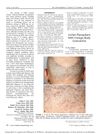
research Lichen Planopilaris With Foreign-Body Granuloma
Foreign-body granuloma may be a marker for late-stage Lichen Planopilaris and should be considered in diagnosis.
research Madarosis, milphosis, eyelash trichomegaly, and dermatochalasis
The document concludes that changes in eyelashes and eyelid skin can indicate various local and systemic diseases.

research Schimmelpenning Syndrome: A Neuro-Oculo-Cutaneous Disorder
Schimmelpenning Syndrome requires careful evaluation and tailored treatment for skin, eye, and developmental issues.