 14 citations
,
January 2020 in “Biomaterials Science”
14 citations
,
January 2020 in “Biomaterials Science” Created microspheres show potential for safe and effective use in prostate artery embolization.
January 2013 in “Zhongguo yaofang” The method effectively detects residual solvents in finasteride raw materials.

Improve ventilation and address environmental issues to reduce health complaints.
August 2025 in “Anais Brasileiros de Dermatologia” Phenol is effective for skin treatments but poses serious health risks and must be used cautiously by trained doctors.
 April 2025 in “BMC Chemistry”
 Thiadiazole chitosan conjugates improve hair manageability, moisture, and protection in conditioners.
9 citations
,
July 2007 in “PubMed” Atrazine causes birth defects in rats, and finasteride can reliably create a hypospadias model.
54 citations
,
March 2012 in “International Journal of Andrology” Prenatal pesticide exposure may cause earlier breast development in girls.
 March 2024 in “Journal of Microbiology and Biotechnology”
 Phloroglucinol may help improve hair loss by promoting hair growth and reducing oxidative stress.

PlacMA hydrogels from human placenta are versatile and useful for cell culture and tissue engineering.
7 citations
,
October 2021 in “Journal of Mind and Medical Sciences” Milk powder in Romania often has unsafe levels of aluminum and other elements, posing health risks.
24 citations
,
December 2018 in “Inflammation and Regeneration” Phospholipase A2 enzymes play key roles in skin health and disease.
 January 2022 in “Social Science Research Network”
 A special coating was made for artificial hair fibers that can slowly release silver ions for up to 56 days, providing long-term protection against bacteria and inflammation.
5 citations
,
January 2000 in “Inhalation Toxicology” Aqueous dispersion resin is safe to inhale at levels below 30 mg/m³.
 1 citations
,
December 2017 in “JAMA Facial Plastic Surgery”
1 citations
,
December 2017 in “JAMA Facial Plastic Surgery” Artificial hair implantation using scaffolds is possible and PHDPE is more biocompatible than ePTFE.
5 citations
,
January 2024 in “Fermentation” The new placenta-derived liquid improves skin moisture better than traditional extracts.
110 citations
,
January 2014 in “Journal of Controlled Release” Phospholipid-coated nanoparticles penetrate hair follicles better than others, especially in pig ears.
61 citations
,
December 1994 in “Planta” 
Aluminum phosphide poisoning can cause horizontal nail grooves and hair loss.
 20 citations
,
June 2011 in “ISRN Dermatology (Print)”
20 citations
,
June 2011 in “ISRN Dermatology (Print)” A woman lost most of her hair due to an allergic reaction to a hair dye ingredient.
28 citations
,
January 2016 in “RSC Advances” A non-toxic formula using polycarboxylic acids strengthens and improves hair.
 January 2024 in “Current research in toxicology”
 Thallium is highly toxic, causing severe health issues, and Prussian blue is the best antidote.
 156 citations
,
October 1996 in “Science of The Total Environment”
156 citations
,
October 1996 in “Science of The Total Environment” Tributyltin exposure causes sex changes, sterilization, and decline in the snail Ocinebrina aciculata, risking its extinction.
January 2007 in “Journal of Instrumental Analysis” A new method accurately detects tiny amounts of chloroform and dichloromethane in finasteride.
 101 citations
,
July 2021 in “Nature Communications”
101 citations
,
July 2021 in “Nature Communications” 4D polycarbonate scaffolds show promise for soft tissue repair due to their biocompatibility, shape memory, and minimal immune response.
 23 citations
,
January 2003 in “Journal of Pediatric Endocrinology and Metabolism”
23 citations
,
January 2003 in “Journal of Pediatric Endocrinology and Metabolism” About 15% of US Army personnel use hair products containing hormone or placenta, with higher usage among non-whites, females, and enlisted personnel.
1 citations
,
November 1975 in “PubMed” GRF is not safe for tubal occlusion.
August 2011 in “Reproductive Toxicology” 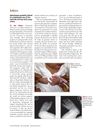 6 citations
,
March 2009 in “Annals of Saudi Medicine”
6 citations
,
March 2009 in “Annals of Saudi Medicine” Finasteride use during early pregnancy may cause limb deformities in babies.
May 2015 in “HAL (Le Centre pour la Communication Scientifique Directe)” APIs' stability is influenced by crystalline forms, pressure, and water.
Hair care products can cause skin irritation and allergies.