 12 citations
,
November 1987 in “Pediatric dermatology”
12 citations
,
November 1987 in “Pediatric dermatology” Four children had unmanageable pale blond hair due to uncombable-hair syndrome.
 20 citations
,
July 2013 in “European Journal of Oral Sciences”
20 citations
,
July 2013 in “European Journal of Oral Sciences” A new PAX9 gene mutation causes missing teeth and hair problems, but not skin or nail issues.
 August 2016 in “Journal of Investigative Dermatology”
 Researchers found a new genetic mutation linked to a hair condition in a Japanese boy.
 3 citations
,
January 2019 in “Journal of Dermatology”
3 citations
,
January 2019 in “Journal of Dermatology” The p.P25L mutation in the KRT5 gene causes a rare skin condition that worsens over time and may lead to hair loss starting in young adulthood.
 January 2011 in “Journal of Human Genetics”
 A Japanese patient with a rare genetic disorder had a less severe case than others, suggesting other factors may affect symptoms.
29 citations
,
June 2010 in “The Journal of Dermatology” Infants with severe KID syndrome may be more prone to serious infections and need close monitoring.
7 citations
,
January 2014 in “International Journal of Trichology” Primary idiopathic pseudopelade of Brocq causes gradual, scarring hair loss with no effective treatment.
4 citations
,
August 2018 in “Journal of pediatric neurology” Becker's Nevus Syndrome is a rare condition with a skin patch and possible bone and muscle abnormalities, treated mainly for appearance.
July 2025 in “Frontiers in Medicine” Mutations in the LIPH gene cause woolly hair in a child.
 October 2023 in “Indian Dermatology Online Journal”
 Schimmelpenning Syndrome requires careful evaluation and tailored treatment for skin, eye, and developmental issues.
33 citations
,
May 2015 in “JAMA Dermatology” Early detection of specific skin lesions can help identify Birt-Hogg-Dube syndrome and prevent serious complications.
December 2021 in “Figshare” BBS7 is crucial for maintaining periodontal health by supporting Shh signaling.
2 citations
,
March 2024 in “Pediatric Dermatology” Two siblings have a rare hair condition caused by a new genetic variant.
1 citations
,
February 2023 in “Pediatric Dermatology” Early recognition of symptoms is crucial for treating IPEX syndrome with a stem cell transplant.
 April 2023 in “Journal of Investigative Dermatology”
 The specific skin disease variant p.(Arg2000Trp) in plectin can cause a wide range of symptoms, which should be considered when diagnosing patients.
 December 2023 in “Clinical Cosmetic and Investigational Dermatology”
 An 8-year-old Saudi boy was diagnosed with a rare genetic disorder causing hair loss, skin issues, and light sensitivity.
5 citations
,
April 2019 in “DOAJ (DOAJ: Directory of Open Access Journals)” Stopping shaving or removing hair follicles usually resolves Pseudofolliculitis barbae.
28 citations
,
January 1985 in “Journal of the American Academy of Dermatology” A girl with citrullinemia developed pili torti, suggesting a link between the hair condition and the metabolic disorder.
December 2024 in “Annals of Medicine and Surgery” Early diagnosis of pseudopelade of Brocq in men is crucial to prevent permanent hair loss.
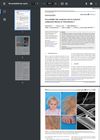 December 2022 in “American journal of medical genetics. Part A”
 A person got uncombable hair syndrome from two copies of chromosome 1 from their mother.
April 2026 in “Human Genome Variation” Long-read RNA sequencing can identify complex gene changes in IFAP syndrome.
December 2021 in “Figshare” BBS7 is essential for healthy gums and teeth by supporting cell function and blood flow.
 July 2022 in “The journal of investigative dermatology/Journal of investigative dermatology”
 A patient with a PLEC mutation has epidermolysis bullosa, muscular dystrophy, and myasthenia gravis, which improved with steroid treatment.
 October 2023 in “Indian dermatology online journal”
 The young woman has a benign, hereditary skin condition with no signs of a more serious syndrome.
11 citations
,
December 2017 in “Orphanet Journal of Rare Diseases” A new mutation in the ST14 gene broadens the understanding of ichthyosis-hypotrichosis syndrome.
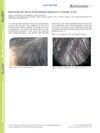 1 citations
,
January 2018 in “Acta dermato-venereologica”
1 citations
,
January 2018 in “Acta dermato-venereologica” A teenager's hair with alternating white and dark bands, known as Pili annulati, is a genetic condition that is usually harmless and often considered attractive.
71 citations
,
January 2011 in “Orphanet Journal of Rare Diseases” IFAP syndrome is a rare genetic disorder causing skin, hair, and eye issues, with limited treatment options.
 5 citations
,
March 2009 in “Pediatric Dermatology”
5 citations
,
March 2009 in “Pediatric Dermatology” The study found that pili bifurcati causes hair to intermittently split into two branches, each with its own outer layer.
2 citations
,
May 2007 in “Pediatrics in Review” Thorough history and examination are crucial for diagnosing genetic disorders like juvenile polyposis and hypomelanosis of Ito.
36 citations
,
July 1988 in “Archives of Dermatological Research” Pili annulati is caused by a protein metabolism disorder affecting hair structure.