
More research is needed to confirm the potential of various treatments, including Helichrysum plicatum, vitamins, bromelain, personalized medications, hydrogels, and bacteriophage therapy.
 December 2022 in “Cureus”
 Hormones significantly influence hair growth, with conditions like hirsutism and patterned hair loss linked to hormone levels; more research is needed for full understanding.
 June 2021 in “bioRxiv (Cold Spring Harbor Laboratory)”
 The gene Tfap2b is essential for creating a type of stem cell in zebrafish that can become different pigment cells.
January 2009 in “Adelaide Research & Scholarship (AR&S) (University of Adelaide)” Identifying and manipulating key genes can improve wool quality and productivity in sheep.
 25 citations
,
September 2006 in “Birth Defects Research”
25 citations
,
September 2006 in “Birth Defects Research” Different processes create patterns in skin and things like hair and feathers.
 10 citations
,
July 2022 in “Dermatology and Therapy”
10 citations
,
July 2022 in “Dermatology and Therapy” Melasma's causes include genetics, sun exposure, hormones, and oxidative stress, and understanding these can help create better treatments.
 4 citations
,
November 2012 in “Dermatitis”
4 citations
,
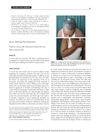
November 2012 in “Dermatitis” A man got severe skin irritation after using marking nut sap for hair loss.
 January 2014 in “Journal of Investigative Dermatology”
 Proteins like aPKC and PDGF-AA, substances like adenosine and ATP, and adipose-derived stem cells all play important roles in hair growth and health, and could potentially be used to treat hair loss and skin conditions.
 44 citations
,
April 2017 in “Genes & development”
44 citations
,
April 2017 in “Genes & development” Scientists found cells in hair that are key for growth and color.
3 citations
,
April 1997 in “Developmental Dynamics” Trypsin slows hair growth and affects color by causing cell death in hair follicles.
April 2012 in “Development” Rac1 is crucial for normal hair structure and pigmentation.
 13 citations
,
March 2020 in “Frontiers in cell and developmental biology”
13 citations
,
March 2020 in “Frontiers in cell and developmental biology” A substance called TCQA could potentially darken hair by activating certain genes and increasing melanin.
 23 citations
,
November 2018 in “Development, Growth & Differentiation”
23 citations
,
November 2018 in “Development, Growth & Differentiation” Epidermal stem cells have various roles in skin beyond just maintenance, including forming specialized structures and aiding in skin repair and regeneration.
2 citations
,
March 2020 in “Developmental cell” Stress can cause hair to turn gray by depleting pigment-producing cells through the release of a stress hormone.
 November 2023 in “Frontiers in cell and developmental biology”
 Hair aging is caused by stress, hormones, inflammation, and DNA damage affecting hair growth and color.
20 citations
,
March 2021 in “Drug design, development and therapy” Topical immunotherapy can treat alopecia areata, but its effectiveness varies and the exact mechanism is unclear.
 April 2018 in “The journal of investigative dermatology/Journal of investigative dermatology”
 The model can effectively test gene functions and drug responses in human skin.
 May 2021 in “International journal of developmental research”
 Estrogens and progesterone are key in regulating melasma pigmentation.
 April 2016 in “The journal of investigative dermatology/Journal of investigative dermatology”
 BMP signaling controls hair growth and skin color.
 41 citations
,
December 2018 in “Experimental Dermatology”
41 citations
,
December 2018 in “Experimental Dermatology” Understanding how melanocyte stem cells work could lead to new treatments for hair graying and skin pigmentation disorders.
 60 citations
,
January 2004 in “The journal of investigative dermatology/Journal of investigative dermatology”
60 citations
,
January 2004 in “The journal of investigative dermatology/Journal of investigative dermatology” Applying a specific inhibitor lightens skin and hair color.
 August 2024 in “Journal of the Korean Society of Cosmetology”
 Wild peach leaf extract improves hair strength, thickness, and shine after dyeing.
 August 2019 in “Journal of Investigative Dermatology”
 Frog skin cells need the protein desmoplakin for proper development and cell layer formation.
 401 citations
,
January 2013 in “Postepy Dermatologii I Alergologii”
401 citations
,
January 2013 in “Postepy Dermatologii I Alergologii” The paper concludes that understanding melanocyte development can help in insights into skin diseases and melanoma diversity.
 260 citations
,
December 2012 in “Cold Spring Harbor Perspectives in Biology”
260 citations
,
December 2012 in “Cold Spring Harbor Perspectives in Biology” Wnt signaling is crucial for skin development and health, and its disruption can cause skin diseases.
 60 citations
,
October 2010 in “Molecular Imaging and Biology”
60 citations
,
October 2010 in “Molecular Imaging and Biology” Increased skin pigmentation in mice reduces bioluminescent signal accuracy.
 28 citations
,
October 2013 in “Cornea”
28 citations
,
October 2013 in “Cornea” Scientists have made progress in creating replacement teeth, hair, and glands that work, which could lead to new treatments for missing teeth, baldness, and dryness conditions.
 20 citations
,
September 2016 in “Journal der Deutschen Dermatologischen Gesellschaft”
20 citations
,
September 2016 in “Journal der Deutschen Dermatologischen Gesellschaft” Germany recognizes skin cancer from UV exposure as an occupational disease, emphasizing prevention and care for affected workers.
 15 citations
,
December 2016 in “Obstetrics & Gynecology”
15 citations
,
December 2016 in “Obstetrics & Gynecology” Most skin changes during pregnancy are harmless and moles don't significantly change, but many women experience pigmentation changes due to hormones and sun exposure.
 11 citations
,
January 2012 in “Journal of cell science”
11 citations
,
January 2012 in “Journal of cell science” Rac1 is essential for proper hair structure and color.