 210 citations
,
July 1993 in “The journal of investigative dermatology/Journal of investigative dermatology”
210 citations
,
July 1993 in “The journal of investigative dermatology/Journal of investigative dermatology” Hair color production in mice is closely linked to the hair growth phase and may also influence hair growth itself.
192 citations
,
January 2018 in “Burns & Trauma” Current skin substitutes help heal severe burns but don't fully replicate natural skin features.
 185 citations
,
February 2018 in “Journal of Investigative Dermatology”
185 citations
,
February 2018 in “Journal of Investigative Dermatology” Melatonin may benefit skin health and could be a promising treatment in dermatology.
 176 citations
,
January 2003 in “Journal of Investigative Dermatology”
176 citations
,
January 2003 in “Journal of Investigative Dermatology” Bone Morphogenetic Proteins (BMPs) help control skin health, hair growth, and color, and could potentially be used to treat skin and hair disorders.
 131 citations
,
March 2004 in “The American journal of pathology”
131 citations
,
March 2004 in “The American journal of pathology” Modulating BMP activity changes the number, size, shape, and type of ectodermal organs.
33 citations
,
December 2015 in “International Journal of Molecular Sciences” Melanocyte stem cells are crucial for skin pigmentation and have potential in disease modeling and regenerative medicine.
 9 citations
,
May 2013 in “JAMA Dermatology”
9 citations
,
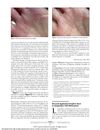
May 2013 in “JAMA Dermatology” Sunlight exposure improved a patient's skin condition, and there may be a link between a certain disease and skin growths; a leukemia treatment caused changes in hair color and growth.
2 citations
,
December 2025 in “Cosmetics” Proper scalp care can improve hair health and delay ageing signs.
 1 citations
,
September 2023 in “The journal of investigative dermatology/Journal of investigative dermatology”
1 citations
,
September 2023 in “The journal of investigative dermatology/Journal of investigative dermatology” Skin organoids from stem cells can help study and treat skin issues but face some challenges.
 February 2026 in “Chinese Medicine”
 Natural products might help treat hair greying.
 September 2018 in “PubMed”
 Hair becomes thinner, grayer, and may fall out more as people get older, and styling habits can worsen these effects.
 11 citations
,
May 2021 in “Clinical Epidemiology”
11 citations
,
May 2021 in “Clinical Epidemiology” Vitiligo is underreported in medical claims and is linked to certain skin types and autoimmune diseases.
17 citations
,
September 2018 in “Matrix Biology” Laminin-511 is essential for proper melanocyte movement and development in mice.
Skin changes throughout life, from development before birth to aging effects like wrinkles, influenced by both genetics and environment.
 November 2005 in “Journal of Investigative Dermatology Symposium Proceedings”
 The 2004 hair research meeting presented new findings on hair cell differentiation, genetic factors in hair loss, hair pigmentation, and potential targeted therapies.
 January 1989 in “Clinical and Experimental Dermatology”
 The symposium concluded that hair growth involves complex processes, including the hair follicle life cycle, the role of the dermal papilla, hair strength, pigmentation, and the impact of diseases and treatments like minoxidil on hair and skin.
8 citations
,
December 1997 in “International Journal of Dermatology” The patient has a leg condition caused by vein issues, needing lifestyle changes and leg care.
 1 citations
,
January 2014 in “Elsevier eBooks”
1 citations
,
January 2014 in “Elsevier eBooks” Melanocytes produce melanin; their defects cause vitiligo and hair graying, with treatments available for vitiligo.
 43 citations
,
August 2008 in “Regenerative Medicine”
43 citations
,
August 2008 in “Regenerative Medicine” Scientists created early-stage hairs from mouse cells that grew into normal, pigmented hair when implanted into other mice.
19 citations
,
July 2004 in “Journal of Medical Primatology” Infant baboons suffered from zinc poisoning due to poor cage conditions.
August 2024 in “Animal Bioscience” Exosomal miR-222-3p reduces melanin production in rabbits by targeting the SOX10 gene.
Finasteride and luteolin may help promote hair growth.

The book is a detailed guide on hair growth issues and treatments, recommended for specialists and hospital libraries.
86 citations
,
February 2012 in “Journal of Clinical Investigation” Stem cells in hair follicles are diverse and change throughout the hair cycle.
 117 citations
,
November 2006 in “Experimental Dermatology”
117 citations
,
November 2006 in “Experimental Dermatology” The article concludes that the wool follicle is a valuable model for studying tissue interactions and has potential for genetic improvements in wool production.
11 citations
,
May 2010 in “Pigment Cell & Melanoma Research” Two genes, Tabby and Ticked, determine cat coat patterns.
 5 citations
,
November 2015 in “International Journal of Radiation Biology”
5 citations
,
November 2015 in “International Journal of Radiation Biology” Gamma-ray exposure can cause long-lasting damage to hair follicles, affecting hair structure and color.
 2 citations
,
January 2013 in “Elsevier eBooks”
2 citations
,
January 2013 in “Elsevier eBooks” The document explains the genetic causes and characteristics of inherited hair disorders.
1 citations
,
March 2024 in “Life” Dermoscopy can help assess the severity of chronic radiation-induced skin damage in head and neck cancer patients.
 January 2024 in “Dermatologic therapy”
 Fire Needle Therapy may help bring back skin color in vitiligo by affecting cell growth signals.