2 citations
,
December 2025 in “Cosmetics” Proper scalp care can improve hair health and delay ageing signs.
1 citations
,
November 2003 in “Annals of saudi medicine/Annals of Saudi medicine” A 17-year-old in Saudi Arabia was diagnosed with a rare skin condition causing red-brown facial patches.
 August 2025 in “Drug Design Development and Therapy”
 Current treatments for androgenetic alopecia are complex and promising, but more research is needed.
 July 2025 in “Cosmoderma”
 The plant-based supplement improved hair, skin, and nail health and boosted well-being without side effects.

Hair aging is a big issue, and nutrients are key to keeping hair healthy.
 February 2025 in “International Journal of Molecular Sciences”
 Altered lipid pathways in diabetic women may cause premature greying.
March 2024 in “International journal of molecular sciences” Three specific genetic variants cause severe skin issues in children with EBS, highlighting the need for early genetic screening.
 June 2023 in “Dermatology and Therapy”
 Using fractional CO2 laser with halometasone cream works better for chronic hand eczema than just the cream, improving symptoms and quality of life with fewer relapses.

Modern skin cancer treatments can cause skin side effects and hair loss, affecting patients' quality of life.
May 2021 in “Research journal of topical and cosmetic sciences” TrichovitalsTM improved skin, hair, and nail health in adults after 12 weeks.
 April 2020 in “Online journal of complementary & alternative medicine”
 Some medications can help increase sexual desire and function in women.
 January 2018 in “Skin appendage disorders”
 The document focused on hair disorders, especially alopecia, and discussed treatments and impacts on quality of life.
 January 2017 in “IMC Journal of Medical Science”
 A rare endocrine disorder, APS 1, was diagnosed in a 26-year-old man in Bangladesh.
 January 2016 in “Skin appendage disorders”
 The document discusses various nail and hair disorders and their treatments.
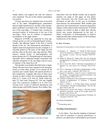 January 1999 in “Journal of the European Academy of Dermatology and Venereology”
 RAPK is a rare skin disorder with pigmented spots, mainly on hands and feet, starting in youth.
June 2022 in “Our Dermatology Online” Trichoscopy is essential for early detection and monitoring of female-pattern hair loss.
11 citations
,
March 2004 in “Journal of Comparative Pathology” Norfolk Terriers have a genetic skin defect causing scaling and blisters due to a keratin issue.
3 citations
,
August 2017 in “Clinical case reports” A rare skin condition causes red and dark patches on the face and limbs.
 March 2024 in “Skin research and technology”
 New dermoscopic criteria accurately diagnose and grade the severity of hair loss in androgenetic alopecia.
48 citations
,
April 2023 in “Aging Cell” Targeting cellular senescence may improve skin aging and disorders.
 80 citations
,
March 2004 in “Neuropediatrics”
80 citations
,
March 2004 in “Neuropediatrics” Coats' Plus is a genetic disorder with eye abnormalities, brain calcification, poor growth, bone and skin issues, and movement disorders.
 46 citations
,
July 1988 in “Journal of The American Academy of Dermatology”
46 citations
,
July 1988 in “Journal of The American Academy of Dermatology” Hormone imbalances can cause specific skin changes, which may help in early detection of endocrine disorders.
31 citations
,
August 2023 in “Cell Genomics” The Tyrolean Iceman had mostly Anatolian farmer ancestry and traits like darker skin and a risk for certain health issues.
19 citations
,
August 2024 in “Journal of Translational Medicine” Epidermal stem cells are vital for skin healing and have potential for treating skin disorders.
 16 citations
,
September 2008 in “Dermatologic Therapy”
16 citations
,
September 2008 in “Dermatologic Therapy” CAH is a genetic disorder affecting cortisol production and causing hormonal imbalances, with treatment and diagnosis varying by form and symptoms.
 15 citations
,
October 1970 in “Archives of disease in childhood”
15 citations
,
October 1970 in “Archives of disease in childhood” Hair amino acid levels can indicate metabolic disorders.
12 citations
,
December 2021 in “Dermatology” Trichoscopy can help diagnose and assess disease activity in connective tissue diseases by identifying specific hair and scalp signs.
 7 citations
,
July 2011 in “Survey of Ophthalmology”
7 citations
,
July 2011 in “Survey of Ophthalmology” The document concludes that periocular hair disorders have various causes and treatments, and proper evaluation by specialists is important for management and prognosis.
 1 citations
,
July 2015 in “British Journal of Dermatology”
1 citations
,
July 2015 in “British Journal of Dermatology” Imiquimod improved skin pigmentation in most patients with xeroderma pigmentosum and may prevent further skin cancer, but some treatments can have side effects.
 December 2025 in “Frontiers in Medicine”
 ARWH is a rare hair disorder with no cure, but potential treatments include minoxidil and other therapies.