3 citations
,
November 2024 in “Pediatric Dermatology” Selumetinib causes fewer and less severe skin issues in children than binimetinib.
 March 2014 in “Pediatric Clinics of North America”
 The document discusses how to identify and manage common skin conditions in children.
15 citations
,
January 2017 in “Pigment International” Early hair graying is often inherited and influenced by genetics, environment, and lifestyle, but treatment options are limited.
1 citations
,
April 2025 in “Pigment Cell & Melanoma Research” Managing stress and nerve activity can help treat segmental vitiligo and white hair.
140 citations
,
August 2010 in “Pigment Cell & Melanoma Research” We know a lot about mouse hair color, but not much about human hair color differences.
6 citations
,
September 2010 in “Pigment Cell & Melanoma Research” We know less about human hair pigmentation than mouse coat color, but pH and cysteine levels are key factors.
86 citations
,
August 2000 in “Pigment cell research” Melanocyte activity in hair follicles is linked to the hair growth cycle, being active in growth phases and inactive in rest phases.
 56 citations
,
November 2010 in “Pigment Cell & Melanoma Research”
56 citations
,
November 2010 in “Pigment Cell & Melanoma Research” Brain hormones significantly affect hair color and could potentially be used to prevent or reverse grey hair.
 13 citations
,
July 2012 in “Pigment Cell & Melanoma Research”
13 citations
,
July 2012 in “Pigment Cell & Melanoma Research” A mutation in the Adam10 gene causes freckle-like spots on Hairless mice.
 10 citations
,
November 2010 in “Pigment Cell & Melanoma Research”
10 citations
,
November 2010 in “Pigment Cell & Melanoma Research” Only skin melanocytes, not other types, can color hair in mice.
4 citations
,
May 2023 in “Pigment Cell & Melanoma Research” BMI1 is essential for preventing hair greying and maintaining hair color.
127 citations
,
November 2010 in “Pigment cell & melanoma research” We need more research on human hair follicle pigmentation, not just mouse models.
7 citations
,
March 1990 in “Pigment Cell Research” Certain chemicals cause hair graying in black mice but not yellow mice.
1 citations
,
September 2019 in “Hair transplant forum international” The laser-based microjet injector delivers tattoo pigment accurately with less tissue damage.
 24 citations
,
March 2018 in “Pigment Cell & Melanoma Research”
24 citations
,
March 2018 in “Pigment Cell & Melanoma Research” The environment around melanocyte stem cells is key for hair regeneration and color, with certain injuries affecting hair color and potential treatments for pigmentation disorders.
2 citations
,
May 2011 in “Pigment Cell & Melanoma Research” Collagen XVII is crucial for preventing hair and pigmentation loss by maintaining melanocyte stem cells.
1 citations
,
August 2022 in “Pigment Cell & Melanoma Research” New mouse models help study melanocytic cells for melanoma research.
July 2025 in “Pigment International” Follicular vitiligo causes hair to gray without skin color loss.
 January 2014 in “Revista Brasileira de Cirurgia Plástica”
 A new method using gentian violet and a protective spray can improve symmetry and reduce surgery time in hair restoration, but it's only effective for total hair loss, not diffuse hair loss or follow-up treatments.
7 citations
,
March 2017 in “Experimental and Therapeutic Medicine” Hair follicle cells can help keep embryonic stem cells undifferentiated.
 75 citations
,
October 2010 in “Mammalian genome”
75 citations
,
October 2010 in “Mammalian genome” Sphynx cats are hairless and Devon Rex cats have curly hair due to specific genetic mutations.
January 2024 in “Revista Dermatológica Centro Uraga” Frontal fibrosing alopecia is increasingly affecting men, causing hair loss around the hairline and possibly other areas.
3 citations
,
April 2025 in “Science Advances” Loss of Ten1 in mice causes telomere shortening and symptoms similar to human dyskeratosis congenita.
 73 citations
,
April 1999 in “Dermatologic Clinics”
73 citations
,
April 1999 in “Dermatologic Clinics” Lasers and light sources can effectively remove hair, work best on fair skin with dark hair, and usually need multiple treatments.
 23 citations
,
April 2004 in “American Journal of Ophthalmology”
23 citations
,
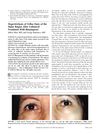
April 2004 in “American Journal of Ophthalmology” Using bimatoprost on one side of the face caused increased cheek hair growth in a patient.
 15 citations
,
March 2004 in “American Journal of Ophthalmology”
15 citations
,
March 2004 in “American Journal of Ophthalmology” Using bimatoprost on one side of the face caused increased cheek hair growth in a patient.
 2 citations
,
July 2018 in “Elsevier eBooks”
2 citations
,
July 2018 in “Elsevier eBooks” Trichoscopy is a useful tool for diagnosing and managing hair and scalp conditions, often better than traditional methods.
 December 2011 in “British Journal of Dermatology”
 As women age, they experience changes in hair density and volume, face challenges in distinguishing normal hair loss from disease, and have limited access to treatments for hair issues.
 April 2019 in “Journal of Investigative Dermatology”
 Low-level laser therapy helps hair growth and reduces hair loss with few side effects.
 14 citations
,
October 2020 in “Scientific reports”
14 citations
,
October 2020 in “Scientific reports” Hair greying is linked to reduced ATM protein in hair cells, which protects against stress and damage.