Search
for
Sort by
Research
630-660 / 1000+ resultsresearch 724 - A phase 2b, randomized, double-blinded, parallel-group, placebo-controlled study to evaluate the efficacy and safety of rezpegaldesleukin in adults with severe to very-severe alopecia areata
Rezpegaldesleukin shows promise for treating severe alopecia areata.
research JAK-Inhibitors Beyond the Label: Emerging Applications in Dermatology
JAK inhibitors show promise for treating various skin disorders effectively and safely.
research 026 Targeting pathogenic MICA-NKG2D interactions by statins: A novel adjunct treatment strategy for alopecia areata management?
Statins may help treat alopecia areata by reducing harmful immune interactions.

research Rapid skin repigmentation on oral ruxolitinib in a patient with coexistent vitiligo and alopecia areata (AA)
A man with vitiligo and alopecia saw quick skin and hair improvement with ruxolitinib, but skin color gains were lost after stopping treatment.
research Safety profile of CAP7.1 obtained during Phase I Trial in adult patients with refractory malignancies
CAP7.1 is generally safe at 200 mg/m²/day, but can cause fatigue, nausea, hair loss, fever, and blood-related issues.
research Continuous MEK inhibition by AZD6244 (ARRY-142886) results in exhaustion of the cutaneous keratinocytic stem cell pool and resembles senescence driven skin aging
AZD6244 treatment causes skin aging effects by depleting skin stem cells.

research Smoothened receptor inhibitor vismodegib for the treatment of basal cell carcinoma: a retrospective analysis of efficacy and side effects
Vismodegib is effective for basal cell carcinoma but has severe side effects.
research Using patient preference to inform ritlecitinib dose selection for alopecia areata treatment
Patients prefer the higher 50 mg dose of ritlecitinib for better hair regrowth despite higher risks.
research A review of Janus kinase inhibitor use in scarring alopecia
Janus kinase inhibitors are promising for treating scarring alopecia, but more research is needed for safety and personalized treatments.
research Reduced estradiol synthesis by letrozole, an aromatase inhibitor, is protective against development of pentylenetetrazole-induced kindling in mice
Letrozole may help prevent seizures by reducing certain hormone levels.
research 455 Beyond Immunity: TEC and JAK3 Kinase Activation in Melanocytes Drives Inflammation in Vitiligo
TEC kinases may help cause inflammation in vitiligo and could be targeted for treatment.

research TYK2 Inhibition with Deucravacitinib Improves Clinical Outcomes and Resolves Interferon-Driven Inflammation in Lichen Planopilaris
Deucravacitinib improves symptoms and reduces inflammation in Lichen Planopilaris.
research Anti-invasive effects of minoxidil on human breast cancer cells: combination with ranolazine
Minoxidil and ranolazine together can reduce the spread of certain breast cancer cells.
research Baicalin Against Androgenetic Alopecia: A Network Pharmacology Study
Baicalin may effectively treat hair loss by inhibiting 5α-reductase.
research Topical JAK Inhibitors for the Treatment of Alopecia Areata and Vitiligo
Topical JAK inhibitors can effectively treat alopecia areata and vitiligo by modulating immune responses.

research USE OF UPADACITINIB IN 2 CASES OF REFRACTORY SYSTEMIC LUPUS ERYTHEMATOSUS
Upadacitinib may help treat difficult cases of systemic lupus erythematosus.

research Depression risk of 5-alpha reductase inhibitors: A systematic review and meta-analysis with a focus on comparator groups
5-alpha reductase inhibitors may increase depression risk by 31%, but results vary based on comparison groups.

research Efficacy, Safety, and Tolerability of Upadacitinib in Adults and Adolescents With Severe Alopecia Areata: Results From the Randomized, Placebo-Controlled, Double-Blind Phase 3 Program (UP-AA)
Upadacitinib effectively treats severe alopecia areata and is safe.
research Adverse events associated with vismodegib: insights from a real-world pharmacovigilance study using the FAERS database
Vismodegib can cause muscle spasms, taste changes, hair loss, fatigue, weight loss, and possibly new issues like skin cancer, dehydration, and swallowing problems, needing close monitoring.

research At the crossroads of 2 alopecias: Androgenetic alopecia pattern of hair regrowth in patients with alopecia areata treated with oral Janus kinase inhibitors
JAK inhibitors help hair regrowth but not fully effective for androgenetic alopecia.
research Treatment of vitiligo with the topical Janus kinase inhibitor ruxolitinib: A 32-week open-label extension study with optional narrow-band ultraviolet B
research PROTACs: A novel strategy for cancer drug discovery and development
PROTAC technology shows promise for cancer treatment but needs more effective E3 ligase recruiters.

research Baricitinib maintains regrowth of hair, eyebrows, and eyelashes over 3 years
Baricitinib helps keep hair, eyebrows, and eyelashes regrown for 3 years in most people with severe hair loss.
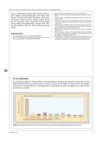
research Fe de errores
The document corrects a mistake by stating that pimecrolimus, not tacrolimus, is the drug that concentrates in the skin.

research 5-α-Reductase inhibitors for prostate cancer chemoprevention: an updated Cochrane systematic review
5-α-reductase inhibitors reduce prostate cancer risk but may cause sexual dysfunction and don't affect high-grade tumor or death rates.

research Reduced Prostate Cancer Risk in Patients with Androgenetic Alopecia Using 5-Alpha Reductase Inhibitors: A TriNetX Real-World Cohort Study
Using 5-alpha reductase inhibitors may lower prostate cancer risk in people with androgenetic alopecia.
research The use of oral pioglitazone in the treatment of lichen planopilaris
Pioglitazone may help treat lichen planopilaris, but more research is needed.
research Abrocitinib in the Treatment of Severe Alopecia Areata in a Pediatric Patient: A Case Report
Abrocitinib helped a 14-year-old girl with severe alopecia areata regrow her hair significantly.

research Systemic Tofacitinib Treatment in Pediatric Patients with Resistant Alopecia Areata
Tofacitinib is a safe treatment for hair loss in children, but long-term use may be needed for best results.