 February 2026 in “Zenodo (CERN European Organization for Nuclear Research)”
 Hirsutism and acne indicate high androgen levels in women with PCOS, suggesting early treatment can help.
October 2025 in “Zagazig University Medical Journal” Skin issues like hirsutism, acne, and acanthosis nigricans are common in PCOS and linked to hormone and metabolic changes.
 26 citations
,
January 2013 in “BioMed Research International”
26 citations
,
January 2013 in “BioMed Research International” Hormonal changes after childbirth and menopause can lead to women's hair loss and facial hair growth, with a need for better treatments.
 November 2022 in “Journal of the Endocrine Society”
 A transman experienced lasting virilization symptoms after stopping testosterone, which were resolved with estradiol treatment.
 May 2024 in “International Seven Multidisciplinary Journal”
 PCOS causes skin issues like excess hair, acne, and hair loss, needing a team approach for treatment.
15 citations
,
May 2021 in “Climacteric” Postmenopausal hyperandrogenism involves excess male hormones causing symptoms like hair growth and acne, and requires ruling out tumors and other disorders.
 February 2024 in “Cureus”
 Pilomatrixoma should be considered for nodular lesions in adults.
January 2026 in “JCEM Case Reports” Benign conditions can mimic serious ones in postmenopausal hyperandrogenism, requiring careful diagnosis.
April 2025 in “Indus journal of bioscience research.” Women with PCOS often experience skin issues like excess hair, acne, and hair loss.
July 1979 in “Archives of Dermatology” A 68-year-old woman with benign mucous membrane pemphigoid has eye, mouth, and skin issues, including thick plaques and nail changes.
 November 2022 in “The Journal of Clinical Endocrinology and Metabolism”
 Postmenopausal hyperandrogenism, a condition with symptoms like increased hair growth and acne, is usually caused by PCOS but can also be due to other factors. It's diagnosed by checking testosterone levels and treated either by removing the adrenal tumor or through antiandrogen therapy.
 3 citations
,
January 1985 in “PubMed”
3 citations
,
January 1985 in “PubMed” Hormonal birth control can cause skin issues, but low-dose options and those with antiandrogens may reduce these effects.
 December 2023 in “Expert Review of Endocrinology & Metabolism”
 New methods help diagnose skin conditions caused by too much male hormone in women, like acne, hair loss, and excess hair growth.
 December 2025 in “BENTHAM SCIENCE PUBLISHERS eBooks”
 PCOS often causes skin issues like excess hair, acne, hair thinning, and dark patches due to hormone imbalances and insulin resistance.
 14 citations
,
October 2019 in “International Journal of Women's Health”
14 citations
,
October 2019 in “International Journal of Women's Health” Menopausal acne is treated with medications and lifestyle changes, but careful choice is needed due to side effects.
25 citations
,
January 1978 in “JAMA” Topical corticosteroids can cause serious side effects like Cushing's syndrome and hirsutism.
 5 citations
,
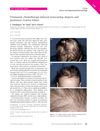
March 2015 in “Clinical and Experimental Dermatology”
5 citations
,
March 2015 in “Clinical and Experimental Dermatology” Chemotherapy caused a woman's permanent hair loss and early menopause.
7 citations
,
January 2019 in “Journal of clinical medicine research” Menopause causes significant changes in the vaginal introitus, but less so in the labia majora, which may lead to symptoms of vaginal atrophy.
January 2014 in “Healthy aging research” Polycystic ovarian disease symptoms can continue after menopause, making diagnosis and management in older women challenging.
 53 citations
,
October 1984 in “Endocrine reviews”
53 citations
,
October 1984 in “Endocrine reviews” Excessive hair growth in women often has no known cause and is not linked to race or other hormonal symptoms.
 November 2022 in “Journal of the Endocrine Society”
 Removing the ovarian tumor improved the woman's hormonal symptoms.
 January 2025 in “International Journal of Dermatology Sciences”
 Skin issues in PCOS worsen quality of life and are linked to hormonal imbalances.
 February 2023 in “JAAD case reports”
 Reducing immunosuppression and using antiviral creams improved the woman's skin condition.
2 citations
,
August 1999 in “PubMed” January 2022 in “Clinical Cases in Dermatology” A woman's scalp nodule was a common, harmless pilar cyst, treated by surgical removal.
 4 citations
,
December 2012 in “Arquivos Brasileiros De Endocrinologia E Metabologia”
4 citations
,
December 2012 in “Arquivos Brasileiros De Endocrinologia E Metabologia” A postmenopausal woman's masculine symptoms improved after surgery for a hormone-producing ovarian tumor.
 April 2020 in “Journal of the Endocrine Society”
 A woman's severe hirsutism was caused by Leydig cell tumors in her ovaries, which improved after surgery.
 1 citations
,
December 2022 in “Biomedicines”
1 citations
,
December 2022 in “Biomedicines” Middle-aged women with PCOS often continue to experience symptoms related to high androgen levels, like unwanted hair growth.
 February 2021 in “Endocrinology, diabetes & metabolism case reports”
 A postmenopausal woman's excessive hair growth and hair loss were due to a non-cancerous ovarian condition, treated successfully with surgery.
9 citations
,
December 1987 in “European journal of endocrinology” The treatment significantly reduced hair growth and male hormone levels in hirsute women.