January 2026 in “Animal Genetics” A genetic variant in the GJB6 gene likely caused the Labrador's paw pad condition.
TLR3 signaling enhances the immunosuppressive properties of human periodontal ligament stem cells.
 2 citations
,
January 2008 in “Journal of Society of Cosmetic Chemists of Japan”
2 citations
,
January 2008 in “Journal of Society of Cosmetic Chemists of Japan” PMS nanoparticles improve damaged hair by protecting and restoring its surface and color.
February 2023 in “Default Digital Object Group” 76 citations
,
February 2007 in “Cancer Research” Protein Kinase Cε increases skin sensitivity to UV damage and skin cancer risk.
 April 2026 in “bioRxiv (Cold Spring Harbor Laboratory)”
 A new microneedle patch significantly improves melanoma treatment by using a special material to activate cancer-fighting drugs and disrupt cancer cells.
11 citations
,
January 2014 in “Dermatology” Certain SPINK5 gene mutations are common in Israeli families with Comèl-Netherton syndrome.
 37 citations
,
February 2009 in “Bioorganic & Medicinal Chemistry”
37 citations
,
February 2009 in “Bioorganic & Medicinal Chemistry” Finasteride complexes with HPβCD and polymers improve solubility, potentially enhancing hair loss treatment.
1 citations
,
April 2010 in “Digital WPI” CLK1 is needed for skin cells to become epidermal cells but not sebocytes.
September 2023 in “Middle East Fertility Society Journal” Nicotine may help treat both Parkinson's disease and infertility.
17 citations
,
January 2016 in “Journal of Drug Delivery” PEG and keratin scaffolds can effectively deliver protein drugs by controlling release based on pH levels.
 19 citations
,
May 2016 in “Clinical, cosmetic and investigational dermatology”
19 citations
,
May 2016 in “Clinical, cosmetic and investigational dermatology” FGF-2&D/P nanoparticles can help treat hair loss.
 4 citations
,
June 2016 in “Journal of Pharmacopuncture”
4 citations
,
June 2016 in “Journal of Pharmacopuncture” Cornu cervi pantotrichum pharmacopuncture solution helps mice grow hair by increasing hair follicle cell growth and a growth factor important for hair development.
26 citations
,
May 2024 in “Molecular Neurodegeneration” H1 increases risk for neurodegenerative diseases, while H2 offers protection but is linked to other disorders.
December 2014 in “Tesis Doctorals en Xarxa (Consorci de Serveis Universitaris de Catalunya)” Reducing SOX2 in colorectal cancer cells decreases tumor growth and self-renewal.
 6 citations
,
January 2020 in “Czech Journal of Animal Science”
6 citations
,
January 2020 in “Czech Journal of Animal Science” The FAT1 gene and its variations can help improve wool quality in Chinese Merino sheep through selective breeding.
10 citations
,
June 2021 in “Journal of Investigative Dermatology” 46 citations
,
June 2013 in “Journal of structural biology” High glycine–tyrosine keratin-associated proteins help make hair strong and maintain its shape.
 16 citations
,
March 2016 in “The journal of investigative dermatology/Journal of investigative dermatology”
16 citations
,
March 2016 in “The journal of investigative dermatology/Journal of investigative dermatology” The Notch signaling pathway helps in mouse hair development through a noncanonical mechanism that does not rely on RBPj or transcription.
25 citations
,
February 2021 in “Diabetes” Dock5 is important for skin healing and could help treat diabetic wounds.
1 citations
,
December 2014 in “Zenodo (CERN European Organization for Nuclear Research)” The method effectively induces skin cancer in mice for studying tumor development.
January 2010 in “Chinese Journal of Dermatovenereology of Integrated Traditional and Western Medicine” A unique gene mutation was found in a family with monilethrix.
May 2025 in “Acta Dermato Venereologica” The Paxbp1 gene is crucial for healthy hair follicles.
14 citations
,
August 2020 in “Journal of cosmetic dermatology” Experts recommend using PN-HPT™ for skin rejuvenation in various body areas but have less agreement on initial facial treatment cycles.
April 2018 in “Journal of Investigative Dermatology” Mutations in Far2 mice cause hair loss due to sebaceous gland issues.
January 2013 in “Tampere University Institutional Repository (Tampere University)” Tudor-SN is important for immune cells, and polyamines can promote hair growth.
30 citations
,
January 2013 in “Human Mutation” A mutation in the HOXC13 gene causes hair and nail problems in a Syrian family.
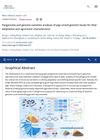
Pangenome analysis reveals key genes for pig adaptation and traits, aiding genetic improvement.
 8 citations
,
August 2020 in “PLOS Computational Biology”
8 citations
,
August 2020 in “PLOS Computational Biology” A machine learning model called CATNIP can predict new uses for existing drugs, like using antidepressants for Parkinson's disease and a thyroid cancer drug for diabetes.
38 citations
,
January 2017 in “PPAR Research” PPAR-γ helps control skin oil glands and inflammation, and its disruption can cause hair loss diseases.