1 citations
,
November 2025 in “American Journal of Medical Science and Technology” The herbal shampoo cleans well and is safer and better than synthetic ones.
4 citations
,
April 2022 in “Microorganisms” Povidone iodine reduced skin bacteria more than chlorhexidine gluconate, but neither met FDA reduction standards.
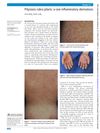 February 2018 in “BMJ case reports”
 An 18-year-old woman was diagnosed with a rare skin condition called Pityriasis rubra pilaris.
 25 citations
,
October 2015 in “Dermatology”
25 citations
,
October 2015 in “Dermatology” Dapsone improved pustular psoriasis in patients who didn't respond to other treatments and is considered a well-tolerated option.
The herbal hair serum with alkanet root extract is safe, effective, and a non-toxic alternative to chemical hair products.
 37 citations
,
January 2015 in “Evidence-based Complementary and Alternative Medicine”
37 citations
,
January 2015 in “Evidence-based Complementary and Alternative Medicine” An extract from Quercus acutissima bark was found to reduce sebum production and block an enzyme linked to acne.
 July 2017 in “International journal of Ayurvedic and herbal medicine”
 Madayantika Siddha Taila is effective for treating Seborrhea capitis.
19 citations
,
December 1999 in “International Journal of Dermatology” Dihydroxyacetone in self-tanning lotion helped reduce sun-related skin issues in a woman with variegate porphyria.
 4 citations
,
March 2020 in “Cutaneous and ocular toxicology”
4 citations
,
March 2020 in “Cutaneous and ocular toxicology” Wen by Chaz Dean Sweet Almond Mint Cleansing Conditioner is better tolerated than salicylic acid and baby shampoos.
 30 citations
,
December 2014 in “Toxicological Research”
30 citations
,
December 2014 in “Toxicological Research” Peppermint oil can effectively promote hair growth without being toxic.
 June 2025 in “Current Trends in Biotechnology and Pharmacy”
 The polyherbal hair tonic promotes hair growth and has antibacterial properties.
6 citations
,
January 2014 in “PubMed” The man's scalp condition improved significantly with daily use of 0.1% mometasone furoate cream.
 June 2023 in “Pediatric investigation”
 A boy's scalp infection, usually found on the body, was effectively treated with antifungal cream.
 44 citations
,
January 2007 in “Biological & pharmaceutical bulletin”
44 citations
,
January 2007 in “Biological & pharmaceutical bulletin” Black pepper leaf extract contains compounds that can block testosterone effects and promote hair growth.
 4 citations
,
November 2012 in “Dermatitis”
4 citations
,
November 2012 in “Dermatitis” A man got severe skin irritation after using marking nut sap for hair loss.
September 2019 in “Journal of Investigative Dermatology” PCE-DP brightens skin and promotes hair growth by enhancing cell growth and reducing melanin uptake.
 14 citations
,
April 2019 in “Saudi pharmaceutical journal”
14 citations
,
April 2019 in “Saudi pharmaceutical journal” Microparticles help caffeic acid stay longer in hair follicles for better treatment of folliculitis.
 October 2022 in “Gadua Journal of Pure and Allied Science”
 Terbinafine is the most effective treatment for tinea capitis, a scalp infection often confused with other conditions.
4 citations
,
December 2022 in “Evidence-based Complementary and Alternative Medicine” Phenolic compounds from Quercus acutissima leaves, especially casuarinin, may help treat acne.
 April 2024 in “Current journal of applied science and technology”
 The organic hair ointment is safe, promotes hair growth in male rabbits, and has good stability and pH for human use.
April 2022 in “Jurnal Penelitian Farmasi dan Herbal” Patchouli leaf extract hair tonic at 15% concentration is best for treating hair loss.
The combination of binahong leaf and lemongrass extracts effectively fights dandruff-causing fungus.
 July 2024 in “Jurnal Pengabdian Masyarakat Putri Hijau”
 Students showed strong interest in using meniran leaves for hair growth pomade.
People have mixed feelings about rosemary, Sudocream, and antidandruff shampoo, with both positive and negative views.
1 citations
,
January 2017 in “International journal of trichology” Diphenylcyclopropenone (DPCP) effectively treated both alopecia areata and verruca vulgaris.
11 citations
,
October 2017 in “Mycoses” An 80-year-old man's deep beard infection was cured with oral terbinafine after identifying the fungus Trichophyton verrucosum.
 October 2020 in “Journal of Pharmaceutical Sciences”
 Topical finasteride with EGCG or TA improves drug release and dermal uptake, potentially treating hair loss effectively.
12 citations
,
March 2023 in “Processes” Plant surfactants from quinoa and soybeans are effective, safe, and eco-friendly for shampoos.
 October 2022 in “Legume Research”
 The research found a way to grow plant tissue and analyze compounds in Bituminaria bituminosa, which is promising for hair restoration treatments.
3 citations
,
January 1996 in “Journal of Dermatological Treatment” The ointment is a safe, effective, and well-tolerated treatment for certain types of psoriasis.