January 2007 in “Revista del Centro Dermatológico Pascua” Androgenetic alopecia causes hair thinning in women, affecting their quality of life.
14 citations
,
April 1987 in “PubMed” Topical minoxidil can promote hair growth in men with hereditary hair loss, with no serious side effects.
2 citations
,
December 2023 in “International Journal of Dermatology” A unique type of hair loss mimics another condition but has minimal inflammation and specific immune cells present.
January 2024 in “International Journal of Trichology” Recognizing perinevoid alopecia and concentric regrowth is important for diagnosing and treating alopecia areata.
January 2016 in “Indian dermatology online journal” Frontal fibrosing alopecia causes hair loss at the front hairline, and no effective treatment exists.
 January 2023 in “Springer eBooks”
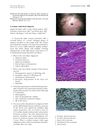
 Most older adults experience pattern hair loss due to shrinking hair follicles, with men and women showing different balding patterns.
 2 citations
,
August 2010 in “Journal of the American Academy of Dermatology”
2 citations
,
August 2010 in “Journal of the American Academy of Dermatology” A 65-year-old woman has a growing bald spot on her scalp.

Scalp tinea versicolor can mimic alopecia areata but is treatable with antifungal medication.
 January 2026 in “Clinical Cosmetic and Investigational Dermatology”
 Early diagnosis and targeted anti-inflammatory treatments can improve outcomes in androgenetic alopecia with perifollicular inflammation and fibrosis.
 November 2024 in “Theoretical and Natural Science”
 Good scalp care and mood help prevent hair loss; medical treatment or Minoxidil may be needed.
May 2025 in “International Journal of Trichology” Partially bald areas in Indian AGA patients still have hair growth cells, suggesting early treatment is best.
 June 2024 in “British Journal of Dermatology”
 Avoid tight hairstyles and use minoxidil to prevent and treat hair loss in young Sikh boys.
2 citations
,
April 2025 in “Pediatric Dermatology” Macular alopecia is a distinct, non-scarring hair loss pattern that mostly affects young Hispanic/Latinx females and often resolves on its own.
 1 citations
,
August 2023 in “Clinical, Cosmetic and Investigational Dermatology”
1 citations
,
August 2023 in “Clinical, Cosmetic and Investigational Dermatology” A condition with certain scalp changes may come before acne keloidalis nuchae and other similar hair loss disorders.
March 2016 in “Actas dermo-sifiliográficas/Actas dermo-sifiliográficas” Stopping the use of a tight headband and using specific treatments led to partial hair regrowth.
October 2015 in “CRC Press eBooks” Classifying alopecia helps diagnose and treat different types of hair loss accurately.
December 2019 in “Global pharmaceutical sciences review” New treatments for alopecia are being explored due to the limitations of current options.
 June 2020 in “Acta Scientific Otolaryngology”
 Three sessions of PRP mixed with calcium chloride effectively treated alopecia.
 1 citations
,
January 2021 in “Nihon rinsho hifukaikai zasshi”
1 citations
,
January 2021 in “Nihon rinsho hifukaikai zasshi” The document provides ways to tell alopecia areata from other similar hair loss conditions, using visual checks and specific tests.
1 citations
,
November 2014 in “Actas dermo-sifiliográficas/Actas dermo-sifiliográficas”  September 2023 in “Journal of The American Academy of Dermatology”
 Baricitinib treatment can help regrow scalp hair and eyebrows or eyelashes in people with severe alopecia areata.
August 2025 in “Medical Journal of Armed Police Force Nepal” Alopecia areata is more common in males, mostly affects the scalp, and often appears as patchy hair loss.
 3 citations
,
January 2019 in “Indian Journal of Dermatology”
3 citations
,
January 2019 in “Indian Journal of Dermatology” Transverse scalp biopsy sections help diagnose different alopecias by showing hair follicle details and inflammation patterns.
 3 citations
,
December 2018 in “Journal of Pakistan Association of Dermatology”
3 citations
,
December 2018 in “Journal of Pakistan Association of Dermatology” Alopecia areata mainly affects young people, often showing as patchy hair loss on the scalp.
August 2025 in “EMC - AKOS - Trattato di Medicina” Non-scarring alopecia can regrow hair, but scarring alopecia is often permanent and needs quick treatment.
 September 2023 in “bioRxiv (Cold Spring Harbor Laboratory)”
 Some hair growth cells remain in partially bald areas of Indian men with hair loss.
 13 citations
,
January 2014 in “Postępy Dermatologii i Alergologii”
13 citations
,
January 2014 in “Postępy Dermatologii i Alergologii” Patchy alopecia areata can affect only pigmented hairs, leaving gray hairs untouched.
 14 citations
,
January 2006 in “Australasian journal of dermatology”
14 citations
,
January 2006 in “Australasian journal of dermatology” Alopecia areata can look like frontal fibrosing alopecia, making diagnosis hard.
 September 2024 in “PubMed”
 Hair loss can be treated based on its type and cause, improving quality of life.
 13 citations
,
December 2001 in “Dermatologic therapy”
13 citations
,
December 2001 in “Dermatologic therapy” Alopecia areata causes varying hair loss patterns, affecting hair, nails, and possibly glands, with treatment outcomes depending on disease duration and extent.