28 citations
,
September 2021 in “JAAD Case Reports” The Pfizer COVID-19 vaccine may rarely trigger nail psoriasis.
7 citations
,
April 2000 in “Mammalian Genome” A new mutation in mice causes crooked whiskers and messy hair.
Ajwain seed extract improved skin healing and hair growth in a mouse skin irritation model.
 July 2023 in “British journal of dermatology/British journal of dermatology, Supplement”
 Skin tumors with CYLD cutaneous syndrome show more NF-κB activity and less organized collagen.
36 citations
,
May 2005 in “BMC dermatology” DPCP is effective for treating severe alopecia areata, but relapse is common.
January 2026 in “SHILAP Revista de lepidopterología” Stressful life events may trigger alopecia areata.
March 2025 in “International Journal of Molecular Sciences” PLIN2 affects hair growth in cashmere goats, potentially improving cashmere quality.
1 citations
,
October 2024 in “BMC Infectious Diseases” Many people in Thailand have lingering symptoms after recovering from COVID-19.
 150 citations
,
October 2010 in “The American Journal of Pathology”
150 citations
,
October 2010 in “The American Journal of Pathology” The document concludes that more research is needed to better understand and treat primary cicatricial alopecias, and suggests a possible reclassification based on molecular pathways.
 December 2023 in “Frontiers in pharmacology”
 Progesterone initially worsens but later reduces neuropathic pain in mice, through different mechanisms.
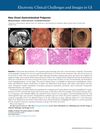 August 2013 in “Gastroenterology”
 A 60-year-old man with Cronkhite-Canada syndrome improved with treatment, but the condition has a high mortality rate and a risk of colorectal cancer.
37 citations
,
June 2000 in “Experimental dermatology” The Lanceolate hair-J mutation in mice mimics human hair disorders like Netherton's syndrome.
1 citations
,
April 2009 in “PM&R” A multidisciplinary approach is crucial for treating stress fractures and related complications in athletes.
 12 citations
,
June 2012 in “Revista da Sociedade Brasileira de Medicina Tropical”
12 citations
,
June 2012 in “Revista da Sociedade Brasileira de Medicina Tropical” A family had a rare fungal infection called white piedra, identified as Trichosporon inkin.
 2 citations
,
August 2021 in “Skin appendage disorders”
2 citations
,
August 2021 in “Skin appendage disorders” White piedra is a rare hair infection treated with oral and topical antifungals.
Human hair can almost fully recover its structure within about 1,000 minutes after being stretched.
6 citations
,
December 2015 in “Medicine” Cronkhite-Canada syndrome may be more treatable and less severe than previously thought.
 May 2025 in “Frontiers in Genetics”
 A new genetic variant in the LIPH gene causes hair growth issues in a Chinese patient.
 February 2026 in “International Journal of Molecular Sciences”
 Brazilian pepper tree leaf extract effectively protects skin cells from UVC damage and is a strong natural skincare option.
13 citations
,
January 2001 in “Pediatric dermatology” A dark-haired Chinese girl had hair that looked banded under certain light but was normal under a microscope.
 February 2010 in “Journal of The American Academy of Dermatology”
 A woman's nail separation was likely caused by poor blood flow, and a treatment for similar conditions might help.
11 citations
,
December 2013 in “Clinical and experimental dermatology” A child with skin and heart issues had rare genetic mutations affecting skin and heart cell cohesion.
April 2015 in “Journal of the American Academy of Dermatology” The woman likely has secondary syphilis, treatable with penicillin.
4 citations
,
October 2023 in “Case Reports in Dermatology” Majocchi’s granuloma should be considered when rashes don't improve with typical treatments.
2 citations
,
March 2024 in “Pediatric Dermatology” Two siblings have a rare hair condition caused by a new genetic variant.
10 citations
,
July 2001 in “PubMed” A new type of pachyonychia congenita may exist, caused by a different keratin mutation.
 April 2016 in “Journal of Investigative Dermatology”
 Microneedle arrays deliver botulinum toxin effectively for sweat suppression, similar to injections.
 17 citations
,
September 2010 in “Pediatric dermatology”
17 citations
,
September 2010 in “Pediatric dermatology” A 15-year-old with KID syndrome developed a rare skin condition called PEHFN.
28 citations
,
June 1995 in “The Journal of Dermatology” The flaky skin mouse mutation is a natural model for studying human psoriasis.
13 citations
,
June 2011 in “PubMed” The patient improved significantly after treatment, with only one small scar remaining.