 1 citations
,
January 2021 in “Nihon rinsho hifukaikai zasshi”
1 citations
,
January 2021 in “Nihon rinsho hifukaikai zasshi” The document provides ways to tell alopecia areata from other similar hair loss conditions, using visual checks and specific tests.
 4 citations
,
August 2010 in “Journal of the American Academy of Dermatology”
4 citations
,
August 2010 in “Journal of the American Academy of Dermatology” Cicatricial alopecia involves scarring hair loss and can be treated with various medications.
 February 2026 in “Journal of the American Academy of Dermatology”
 Ophiasis mainly affects females, lasts longer, and has lower regrowth rates, with a new classification system helping predict treatment response.
 February 2024 in “Acta dermato-venereologica”
 This type of hair loss is probably often missed and treatments reducing inflammation might work well.
June 2025 in “Clinical and Experimental Dermatology” Baricitinib treatment led to dark brown hair regrowth in a red-haired woman with alopecia areata.

Histopathological confirmation is crucial for accurately diagnosing challenging alopecia areata cases.
 April 2022 in “Indexia revista médico - científica”
 Alopecia causes sudden hair loss, possibly due to genetic, environmental, or immune factors.
55 citations
,
January 1988 in “Dermatology” Diphencyprone treatment for alopecia areata can cause vitiligo in some patients.
 December 2022 in “Curēus”
 Genetic testing confirmed a young girl has Atrichia with Papular Lesions due to mutations in the hairless gene.
 October 2023 in “Indian dermatology online journal”
 The young woman has a benign, hereditary skin condition with no signs of a more serious syndrome.
105 citations
,
March 2014 in “British journal of dermatology/British journal of dermatology, Supplement” Alopecia areata patients often have low vitamin D levels, suggesting they might benefit from vitamin D supplements.
1 citations
,
March 2013 in “British Journal of Dermatology” Recognizing eyebrow hair loss linked to a rare skin condition is crucial for proper treatment.
Lichen planus commonly affects middle-aged adults, often involves limbs and mucosal areas, and can be linked to immune diseases.
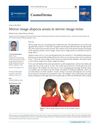
Mirror-image twins can have alopecia areata on opposite sides of their heads.
2 citations
,
September 2024 in “International Journal of Dermatology” Women and people with skin of color are more likely to be misdiagnosed with alopecia areata.
82 citations
,
November 1985 in “Archives of Dermatology” The newborn's skin condition improved over time, leaving only lighter skin patches.
 4 citations
,
August 2013 in “Case reports in dermatology”
4 citations
,
August 2013 in “Case reports in dermatology” A patient with total hair loss developed vitiligo after using a treatment called DCP.
 December 2023 in “Clinical Cosmetic and Investigational Dermatology”
 An 8-year-old Saudi boy was diagnosed with a rare genetic disorder causing hair loss, skin issues, and light sensitivity.
January 2018 in “JAMA dermatology” Facial papules can occur with lichen planopilaris.
14 citations
,
May 1979 in “International Journal of Dermatology” Trichostasis spinulosa mainly affects the nose, with many tiny hairs in one follicle, possibly influenced by hormones and sunlight.
1 citations
,
January 2025 in “Dermatology Practical & Conceptual” Trichoscopy helps distinguish Lichen Planopilaris from Frontal Fibrosing Alopecia by identifying unique hair loss patterns.
 April 2012 in “Informa Healthcare eBooks”
 Temporal triangular alopecia is a lifelong condition with hairless patches on the side of the head that may be present from birth.
 October 2022 in “The Journal of Family Practice”
 Tinea capitis is a scalp fungal infection in children that can cause hair loss, scaling, and other symptoms.
January 2023 in “Indian Dermatology Online Journal” A 23-year-old man has a benign, non-progressive hair loss patch that doesn't respond to treatment but can be cosmetically treated.
1 citations
,
January 2022 in “Annals of Dermatology” A new mutation in the MBTPS2 gene causes a mild form of IFAP syndrome.
 1 citations
,
July 2021 in “Curēus”
1 citations
,
July 2021 in “Curēus” A child had a rare case of scarring hair loss with skin disease, which is hard to treat and stressful.
 January 2016 in “Journal of The American Academy of Dermatology”
 The woman has a type of scarring hair loss with red bumps around hair follicles.
 3 citations
,
January 2021 in “Skin appendage disorders”
3 citations
,
January 2021 in “Skin appendage disorders” Hair color is not a risk factor for developing alopecia areata.
8 citations
,
January 2013 in “International journal of trichology” Two people had unusual ring-shaped hair loss due to an autoimmune disorder.

Scarring alopecia, a type of hair loss, is most common in females under 35, often caused by discoid lupus erythematosus and pseudopelade of Brocq. Skin punch biopsy and histopathology are key to identifying its cause.