13 citations
,
April 2013 in “Immunotherapy” Inhibiting PLA2 enzymes may help treat inflammatory skin diseases like psoriasis and dermatitis.
 8 citations
,
August 2021 in “Aging”
8 citations
,
August 2021 in “Aging” Berberine may reduce prostate enlargement by blocking inflammation.
6 citations
,
July 2020 in “The Kaohsiung Journal of Medical Sciences” Inhibiting the PI3K/Akt pathway may help prevent radiation-induced liver injury.
37 citations
,
February 2007 in “Experimental Dermatology” Increasing PDCD4 protein may help prevent or treat some skin cancers.
6 citations
,
March 2007 in “BioTechniques” PCR genotyping in cre-loxP mice can be inaccurate due to unintended gene deletions in non-target tissues.
20 citations
,
August 1997 in “PubMed” Increased K+ permeability alone may not promote hair growth.
 January 2025 in “International Journal of Trichology”
 Combining DPCP with PRP doesn't improve hair regrowth in alopecia areata.
 21 citations
,
April 2018 in “Journal of Dermatological Science”
21 citations
,
April 2018 in “Journal of Dermatological Science” Cilostazol helps hair grow by making hair root cells grow faster and changing growth factor levels.
 1 citations
,
April 2018 in “The journal of investigative dermatology/Journal of investigative dermatology”
1 citations
,
April 2018 in “The journal of investigative dermatology/Journal of investigative dermatology” Topical patidegib gel effectively treats basal cell carcinoma in Gorlin syndrome patients without causing the side effects seen with oral treatments.
 5 citations
,
January 2018
5 citations
,
January 2018 The conclusion is that a new test was created to find substances that affect specific ion channels, and it works well for drug discovery.
1 citations
,
November 2022 in “Journal of Investigative Dermatology” ALRN-6924 may prevent hair loss caused by chemotherapy.
April 2008 in “Progrès en Urologie” 2 citations
,
July 2006 in “European Urology Supplements” 5α-reductase inhibitors can reduce prostate cancer risk but may increase high-grade tumors, needing more research.
 1 citations
,
January 2023 in “The FASEB Journal”
1 citations
,
January 2023 in “The FASEB Journal” CircAGK affects cell death in hair cells by controlling the miR-3180-5p/BAX pathway, which can lead to hair loss.
 13 citations
,
January 2017 in “Molecules”
13 citations
,
January 2017 in “Molecules” Compounds from Alpinia zerumbet may help with hair regrowth and cancer treatment by targeting PAK1.
14 citations
,
June 1995 in “The Journal of Clinical Endocrinology and Metabolism”  1 citations
,
January 2013 in “MedChemComm”
1 citations
,
January 2013 in “MedChemComm” PF-05314882 selectively activates androgen receptors without much effect on prostate and may help in prostate cancer treatment and hair loss prevention.
 11 citations
,
August 2010 in “Developmental neurobiology”
11 citations
,
August 2010 in “Developmental neurobiology” Ptprq has multiple forms that change during inner ear development.
Cadd4 effectively reduces cholesterol levels without side effects.
 3 citations
,
September 2020
3 citations
,
September 2020 Dyclonine can effectively reduce skin issues by inhibiting the TRPV3 channel.
 January 2022 in “Social Science Research Network”
 Pyruvate Kinase M2 helps hair grow by linking energy production and a key hair growth pathway.
 April 2023 in “The journal of investigative dermatology/Journal of investigative dermatology”
 Activating mitophagy may help manage a key immune response involved in the hair loss condition alopecia areata.
3 citations
,
May 2020 in “Acta pharmaceutica” Protocatechuic acid can reduce melanin production and boost antioxidant activity in hair follicles.
 August 2013 in “Nature Reviews Drug Discovery”
 New cancer treatments show promise in reducing tumor growth and improving skin regeneration in mice.
April 2010 in “Cancer Research” Basal cell carcinomas may use IDO to protect themselves from the immune system.
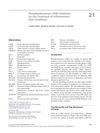 January 2018 in “Springer eBooks”
 PDE inhibitors, especially PDE4 inhibitors like apremilast, are effective for certain inflammatory skin conditions but have side effects and can be costly.
1 citations
,
April 2024 in “Metabolites” Activated protein C helps protect mice from long-term radiation damage.
November 2024 in “Journal of Investigative Dermatology” Blocking the JAK/STAT pathway may help reduce skin sensitivity in Xeroderma pigmentosum.
 August 2013 in “Nature Reviews Drug Discovery”
 New treatments may restore cancer-blocking proteins, slow prostate cancer, identify drug targets, and potentially regrow hair.
20 citations
,
January 1995 in “Journal of Dermatological Science” Cyclosporin A and FK506 can start new hair growth without needing immunosuppression.