14 citations
,
May 2016 in “International Journal of Molecular Sciences” PP2Acα is essential for proper hair and skin development.
11 citations
,
January 2009 in “Indian journal of dermatology, venereology, and leprology” DCPA is a chronic skin condition affecting the lower limbs, mainly in men, with unclear causes and treatments that often don't work well.
226 citations
,
January 2006 in “International review of cytology” Keratin-associated proteins are crucial for hair strength and structure.
 30 citations
,
February 2017 in “Histochemistry and Cell Biology”
30 citations
,
February 2017 in “Histochemistry and Cell Biology” TPA promotes hair growth by increasing stem cell activity and activating specific cell signals.
 September 2024 in “Genes”
 CRABP1 boosts hair cell growth in Hu sheep by affecting key genes.
 January 2024 in “International Journal of Advanced Research”
 Topical 6% salicylic acid effectively reduced skin plaques in a patient with wooly hair and palmoplantar keratoderma.
March 2026 in “International Journal of Cosmetic Science” Pal-KCV peptide strengthens hair and reduces breakage by up to 52%.
13 citations
,
February 2024 in “Clinical Cosmetic and Investigational Dermatology” Polynucleotides HPT improves Asian skin tone, firmness, and glow safely.
 21 citations
,
January 2018 in “PLoS Genetics”
21 citations
,
January 2018 in “PLoS Genetics” Certain genetic variants in keratins increase the risk of tooth decay.
 3 citations
,
September 2021 in “Experimental and Therapeutic Medicine”
3 citations
,
September 2021 in “Experimental and Therapeutic Medicine” Early diagnosis of Keratosis pilaris atrophicans faciei can lead to better, personalized treatments.
January 2013 in “Touro Scholar (Touro College)” DPCP works best for alopecia areata, but more research is needed for better treatments.
7 citations
,
January 2020 in “The journal of investigative dermatology/Journal of investigative dermatology” NIPP1 is important for healthy skin and could help treat skin inflammation.
176 citations
,
February 2006 in “Cancer Research” Patched1 helps prevent tumors by controlling cell growth.
January 2025 in “Clinical Case Reports” Follicular porokeratosis may be linked to diabetes and can lead to hair loss.
26 citations
,
May 2007 in “Differentiation” Foxn1 helps skin cells mature by controlling a specific protein's activity.
 28 citations
,
February 1999 in “Journal of Investigative Dermatology”
28 citations
,
February 1999 in “Journal of Investigative Dermatology” Urokinase, a type of protein, helps skin cells multiply faster, especially in newborn mice.
 April 2017 in “Journal of Investigative Dermatology”
 The PON1 192R gene variant is linked to a higher risk of psoriasis and heart disease in Western Mexico.
 9 citations
,
January 2019 in “American Journal of Dermatopathology”
9 citations
,
January 2019 in “American Journal of Dermatopathology” DKK-1 gene linked to hair loss in AGA and AA patients; more research needed for potential therapy.
 10 citations
,
November 1997 in “British Journal of Dermatology”
10 citations
,
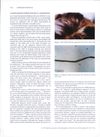
November 1997 in “British Journal of Dermatology” A 10-year-old boy had the earliest reported case of hair that became progressively kinkier but eventually returned to normal on its own.
 October 2023 in “Benha Journal of Applied Sciences”
 Men with male pattern baldness have lower levels of the antioxidant PON1.
1 citations
,
July 2024 in “Journal of Investigative Dermatology” TAK-279 effectively reduces psoriasis symptoms and is safe.
 10 citations
,
January 2018 in “Postępy Dermatologii i Alergologii”
10 citations
,
January 2018 in “Postępy Dermatologii i Alergologii” Treating alopecia areata every 3 weeks with diphenylcyclopropenone is more effective than weekly treatments.
January 2026 in “International Journal of Biological Macromolecules” Small KP peptide improves hair without reducing agents, while larger proteins need them for better results.
Treat active lichen planopilaris early to prevent permanent hair loss.
1 citations
,
May 2004 in “Biochemical and Biophysical Research Communications” Two new gene clusters important for hair formation were found on human chromosome 11.
January 2016 in “프로그램북(구 초록집)” The revised BASP classification for hair loss is less accurate and harder to use but could still be a viable option.
9 citations
,
January 2021 in “BioMed research international” Human hair-derived particles can effectively carry and release the cancer drug Paclitaxel in a pH-sensitive manner, potentially targeting cancer cells while sparing healthy ones.
February 1985 in “PubMed” 17 citations
,
January 2016 in “Journal of Drug Delivery” PEG and keratin scaffolds can effectively deliver protein drugs by controlling release based on pH levels.
78 citations
,
May 2019 in “Frontiers in Cellular and Infection Microbiology” DPK-060 in poloxamer gel effectively treats skin infections, but nanocarriers don't enhance its efficacy.