 60 citations
,
September 2016 in “Dermatologic Surgery”
60 citations
,
September 2016 in “Dermatologic Surgery” PRP treatment may stimulate hair growth by promoting blood vessel formation, increasing growth factors, and preventing cell death.
 58 citations
,
January 2015 in “International Journal of Trichology”
58 citations
,
January 2015 in “International Journal of Trichology” Platelet-rich plasma, which carries growth factors, could be a promising treatment for non-scarring hair loss, promoting hair growth and density with no major side effects.
 57 citations
,
May 2016 in “Journal of Dermatological Treatment”
57 citations
,
May 2016 in “Journal of Dermatological Treatment” PRP therapy may effectively treat hair loss, but more research needed.
 45 citations
,
September 2018 in “International Journal of Women's Dermatology”
45 citations
,
September 2018 in “International Journal of Women's Dermatology” PRP shows promise for hair loss treatment, with three initial monthly injections and maintenance every 3-6 months.
 42 citations
,
May 2016 in “American Journal of Clinical Dermatology”
42 citations
,
May 2016 in “American Journal of Clinical Dermatology” Using platelet-rich plasma, which is full of growth factors, can help treat pattern hair loss.
29 citations
,
March 2016 in “Dermatologic therapy” Platelet-rich plasma may successfully treat lichen planopillaris, as shown by one patient's symptom regression.
 28 citations
,
August 2018 in “Dermatologic Surgery”
28 citations
,
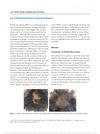
August 2018 in “Dermatologic Surgery” Platelet-Rich Plasma (PRP) may help improve hair density in primary cicatricial alopecias (PCAs) patients, but more trials are needed to confirm its benefits.
 27 citations
,
July 2017 in “Facial Plastic Surgery”
27 citations
,
July 2017 in “Facial Plastic Surgery” Platelet-Rich Plasma (PRP) shows promise for hair growth and skin improvement in aesthetic surgery.
 24 citations
,
November 2017 in “Aesthetic Plastic Surgery”
24 citations
,
November 2017 in “Aesthetic Plastic Surgery” All types of Platelet-Rich Plasma (PRP) can treat hair loss, but homologous PRP works best due to its higher platelet count and growth factors from multiple donors.
 19 citations
,
August 2019 in “Seminars in Plastic Surgery”
19 citations
,
August 2019 in “Seminars in Plastic Surgery” Platelet-rich plasma is beneficial in various plastic surgery applications, but more research is needed to standardize its use.
19 citations
,
January 2010 in “Hair transplant forum international” PRP can help hair growth, but results vary and need standard methods.
 18 citations
,
November 2016 in “Journal of Oral and Maxillofacial Surgery”
18 citations
,
November 2016 in “Journal of Oral and Maxillofacial Surgery” Platelet-Rich Plasma (PRP) treatment can potentially increase hair density and quality in people with hair loss, but more research is needed to confirm its effectiveness.
16 citations
,
January 2018 in “Dermatology Online Journal” PRP shows promise for treating hair loss but needs more research.
 15 citations
,
August 2019 in “Dermatologic Therapy”
15 citations
,
August 2019 in “Dermatologic Therapy” Platelet-rich plasma (PRP) may help treat hair loss in patients with frontal fibrosing alopecia who don't respond to other treatments.
14 citations
,
April 2024 in “Periodontology 2000” Platelet-rich plasma may help healing due to growth factors from platelets.
 14 citations
,
April 2019 in “The Ukrainian Biochemical Journal”
14 citations
,
April 2019 in “The Ukrainian Biochemical Journal” A simple method was developed to prepare concentrated platelet-rich plasma for use in healing and tissue repair.
 12 citations
,
December 2017 in “Journal of Investigative Dermatology Symposium Proceedings”
12 citations
,
December 2017 in “Journal of Investigative Dermatology Symposium Proceedings” Platelet-rich plasma and microneedling could potentially help hair growth in people with alopecia areata, but more research is needed.
10 citations
,
March 2021 in “Annals of palliative medicine” PRP shows promise in healing but needs a standardized, safe preparation method.
7 citations
,
January 2024 in “Regenerative Biomaterials” The new dressing improves chronic wound healing by preserving and releasing growth factors effectively.
 7 citations
,
April 2019 in “Aesthetic Surgery Journal”
7 citations
,
April 2019 in “Aesthetic Surgery Journal” Repeated use of platelet-rich plasma in rats caused increased pain sensitivity.
 7 citations
,
December 2016 in “Journal of The Taiwan Institute of Chemical Engineers”
7 citations
,
December 2016 in “Journal of The Taiwan Institute of Chemical Engineers” Pig blood plasma can be used to promote human hair growth and is a good alternative to the commonly used serum additive.
6 citations
,
June 2020 in “Journal of Drugs in Dermatology” PRP can help regrow hair in people with alopecia.
 6 citations
,
August 2014 in “Dermatologic Surgery”
6 citations
,
August 2014 in “Dermatologic Surgery” PRP injections may improve hair loss condition, but more research needed.
 4 citations
,
September 2021 in “Biomolecules”
4 citations
,
September 2021 in “Biomolecules” Using Platelet-Rich Plasma and Adipose-Derived Mesenchymal Stem Cells together can improve healing, including wound healing, bone regeneration, and hair growth.
3 citations
,
October 2024 in “International Journal of Molecular Sciences” Acetylsalicylic acid affects platelet-rich plasma activation, requiring personalized approaches for effective treatment.
 3 citations
,
May 2023 in “Current Molecular Medicine”
3 citations
,
May 2023 in “Current Molecular Medicine” PRP is not a stem cell treatment and should not be marketed as such.
 3 citations
,
October 2020 in “Journal of Transfusion Medicine”
3 citations
,
October 2020 in “Journal of Transfusion Medicine” Platelet-rich plasma therapy is seen as a promising tissue repair method but lacks standardized protocols.
 3 citations
,
September 2018 in “Dermatologic Surgery”
3 citations
,
September 2018 in “Dermatologic Surgery” Platelet-Rich Plasma (PRP) can improve hair loss in cicatricial alopecia cases, but treatment must be ongoing and results vary among patients.
 2 citations
,
November 2023 in “Curēus”
2 citations
,
November 2023 in “Curēus” Platelet-rich plasma (PRP) speeds up skin wound healing and has potential in medical and cosmetic uses.
 2 citations
,
March 2017 in “Current regenerative medicine”
2 citations
,
March 2017 in “Current regenerative medicine” Platelet-rich plasma helps tissue healing but lacks standard use methods.