Keratinocytes can reduce the survival of certain melanoma cells, suggesting new therapy paths.
 25 citations
,
August 2007 in “Molecular Therapy”
25 citations
,
August 2007 in “Molecular Therapy” Researchers found a safe and effective way to pick genetically modified skin cells with high growth potential using CD24.
July 2026 in “bioRxiv (Cold Spring Harbor Laboratory)” FAKΔe4 helps cells sense and respond to different stiffness levels in their environment.
 3 citations
,
August 2013 in “Stem cells”
3 citations
,
August 2013 in “Stem cells” Certain inhibitors applied to the skin can promote hair growth by maintaining a key hair growth signal.
 August 2023 in “Journal of Investigative Dermatology”
 Different body areas have unique skin cell communication patterns, explaining why certain skin diseases occur in specific regions.
20 citations
,
February 2010 in “Journal of Investigative Dermatology” Slug (Snai2) helps regulate hair growth timing in mice.
 48 citations
,
May 2023 in “Nature Communications”
48 citations
,
May 2023 in “Nature Communications” Platelet-derived chemokines help muscle healing by attracting neutrophils to injured areas.
70 citations
,
August 2006 in “Cancer Research” AP-1 controls tumor cell type by affecting key signaling pathways.
 9 citations
,
February 2018 in “The Journal of Dermatology”
9 citations
,
February 2018 in “The Journal of Dermatology” A new mutation in the LIPH gene was found to cause a rare hair disorder in a Japanese boy.
1 citations
,
September 2020 in “Journal of dermatology” Researchers found a new mutation in the LIPH gene of a woman with a rare hair condition.
171 citations
,
June 2004 in “Journal of Investigative Dermatology” GLI2 activates GLI1, promoting skin tumor growth and hair development.
15 citations
,
March 2021 in “EMBO Reports” PRSS35 enzyme may help start skin tumors and could be a target for cancer treatment.
2 citations
,
July 2025 in “Cells” Platelet lysate is better than fetal bovine serum for growing stem cells and healing wounds.
19 citations
,
March 2022 in “Molecular therapy. Nucleic acids” A specific RNA, circNlgn, contributes to heart damage and scarring caused by the cancer drug doxorubicin.
Glypican-1 is important for hair follicle blood vessel growth and could be a target for treating hair loss.
GPC1 is important for hair growth by helping blood vessels form around hair follicles.
20 citations
,
August 2020 in “Stem Cell Research & Therapy” miR-150 helps blood vessel cells develop and speeds up blood clot healing.
GPC1 is important for blood vessel growth in hair follicles and could help treat hair loss.
 23 citations
,
December 2013 in “British Journal of Dermatology”
23 citations
,
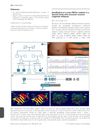
December 2013 in “British Journal of Dermatology” A new gene mutation linked to a skin condition was found in a Spanish family.

Platelet-rich plasma improves skin flap survival by reducing tissue death.
387 citations
,
November 2003 in “Journal of Investigative Dermatology” The K15 promoter effectively targets stem cells in the hair follicle bulge.
 May 2022 in “Benha Journal of Applied Sciences”
 Higher levels of PD-L1 are linked to more severe hair loss in people with Alopecia Areata.

mEphA1 receptor tyrosine kinase is important for skin and hair development and may play a role in certain diseases.
Mechanical stress causes ligament thickening through WISP-1 and Hedgehog signaling.
18 citations
,
June 2001 in “Journal of Investigative Dermatology” Adding a specific gene to skin cells can help treat skin disorders like psoriasis.
11 citations
,
October 2007 in “Journal of Investigative Dermatology” Mutations in the Sgk3 gene cause fuzzy hair in mice.
1 citations
,
October 2025 in “International Journal of Molecular Sciences” Natural compounds may help treat advanced papillary thyroid cancer by targeting specific molecular pathways.
34 citations
,
January 2004 in “Genomics” A cluster of 21 keratin-associated protein genes important for hair growth was found on human chromosome 21.
 2 citations
,
January 2020 in “Libri Oncologici Croatian Journal of Oncology”
2 citations
,
January 2020 in “Libri Oncologici Croatian Journal of Oncology” PRP injections improve intestinal healing in rabbits with fewer complications than soaking.
August 2013 in “eCommons (Cornell University)” Runx1 and CDK inhibitors help keep hair follicle stem cells inactive, affecting their future roles.