September 2025 in “PubMed” Regenerative hair transplant improves hair growth and quality using stem cells.

Hair transplants now look natural and work well for hair loss.
7 citations
,
November 2020 in “Journal of Tissue Viability” Transplanting a person's own hair can heal chronic wounds in certain skin conditions.
May 2007 in “Archives of Plastic Surgery” The Frechet flap technique effectively hides scalp surgery scars with good results and minimal issues.
 2 citations
,
January 2017 in “Recent clinical techniques, results, and research in wounds”
2 citations
,
January 2017 in “Recent clinical techniques, results, and research in wounds” Using tissue expanders with galeotomies for post-burn alopecia is faster and has fewer complications.
June 2021 in “Dermatologic Surgery” Tissue-engineered grafts can help regenerate hair follicles.
 6 citations
,
January 2013 in “Journal of Cutaneous and Aesthetic Surgery”
6 citations
,
January 2013 in “Journal of Cutaneous and Aesthetic Surgery” A man with baldness had successful hair growth after transplanting body hair to his head.
 2 citations
,
May 2015 in “Journal of Cosmetic and Laser Therapy”
2 citations
,
May 2015 in “Journal of Cosmetic and Laser Therapy” Hair follicles can survive for a few days before transplant but are less viable over time.
October 2022 in “Hair Transplantation” Motorized FUE with blunt punches improved hair restoration by reducing damage during graft harvesting.
3 citations
,
December 2013 in “Annals of plastic surgery” The new hair transplant method improves results and reduces surgery time.
 3 citations
,
November 2005 in “Dermatologic Surgery”
3 citations
,
November 2005 in “Dermatologic Surgery” Aminoguanidine increases a specific growth signal in stored hair grafts, which may help them survive better after being transplanted.
 8 citations
,
March 1994 in “The American Journal of Cosmetic Surgery”
8 citations
,
March 1994 in “The American Journal of Cosmetic Surgery” The Total Excision Techniques improve hair transplant results by increasing grafts by at least 50% and reducing scarring.
May 2025 in “Dermatology Reports” Combining fat grafting and hair transplantation successfully restored hair in a woman with scarring alopecia.
 3 citations
,
April 2016 in “Wound Repair and Regeneration”
3 citations
,
April 2016 in “Wound Repair and Regeneration” Researchers successfully transplanted hair follicles in mice, which survived well and helped in wound healing.
 29 citations
,
September 1997 in “PubMed”
29 citations
,
September 1997 in “PubMed” Follicular transplantation can greatly improve hair restoration if done with detailed planning and patient evaluation.
 October 2001 in “Dermatologic Surgery”
 Cutting and implanting hair follicles can create finer, more natural-looking hairlines, with about half of the implanted hairs growing back.
 3 citations
,
November 2018 in “Hair transplant forum international”
3 citations
,
November 2018 in “Hair transplant forum international” Using body hair with scalp hair for hair transplants improves density and coverage in severe hair loss cases.
 2 citations
,
September 2019 in “Dermatologic Surgery”
2 citations
,
September 2019 in “Dermatologic Surgery” The two-step procedure of fat grafting followed by hair grafting improves scalp and facial scar correction.
 15 citations
,
January 2013 in “Journal of Cutaneous and Aesthetic Surgery”
15 citations
,
January 2013 in “Journal of Cutaneous and Aesthetic Surgery” The modified Direct Hair Transplantation method is effective for treating baldness with better graft survival and less damage than standard techniques.
Combining FUT and FUE techniques improves hair transplant results for severe baldness in Asians.
 June 2004 in “Dermatologic Surgery”
 The single-scar technique in hair transplantation minimizes scarring and preserves hairs for future use, with proper training overcoming its perceived drawbacks.
55 citations
,
July 2020 in “International Wound Journal” Fat grafting and PRP are safe for diabetic foot ulcers, but no significant healing differences were found.
14 citations
,
April 1995 in “Transplantation” Human hair follicle cells can be used to help heal and replace skin.
15 citations
,
June 2020 in “Journal of Orthopaedic Translation” The mouse model is effective for studying ACL graft healing.
 6 citations
,
March 2008 in “Dermatologic Surgery”
6 citations
,
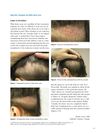
March 2008 in “Dermatologic Surgery” Transplanting chest hair into scars can effectively treat wide donor scars from hair restoration surgery.
17 citations
,
December 1970 in “Archives of Otolaryngology - Head and Neck Surgery” Hair transplants are safe and effective for long-term hair growth.
 October 2010 in “Journal of Drugs in Dermatology”
 In 2010, Marco Toscani's team introduced a new scalpel for hair transplants that cuts parallel to hair follicles, reducing hair loss and improving on previous methods.
 8 citations
,
January 2007 in “International Society of Hair Restoration Surgery”
8 citations
,
January 2007 in “International Society of Hair Restoration Surgery” The forelock approach in hair transplants improves natural appearance by focusing hair density in one area.
 3 citations
,
July 2018 in “Journal of Cosmetic Dermatology”
3 citations
,
July 2018 in “Journal of Cosmetic Dermatology” Ahmad's sharp scissor technique reduces hair follicle damage without taking more time.
January 2011 in “Journal of Tissue Engineering and Reconstructive Surgery” Using dermal papillae cells and keratinocytes in skin substitutes speeds up healing and helps form hair follicles and glands.