 14 citations
,
January 2016 in “Experimental and molecular pathology”
14 citations
,
January 2016 in “Experimental and molecular pathology” Giving immune serum from vaccinated mice to mice without T cells prevents infection and tumor growth.
344 citations
,
May 2018 in “EMBO journal” Phosphorylation controls TFEB's location in the cell, affecting cell metabolism and stress response.
1 citations
,
September 1986 in “Journal of the Forensic Science Society” Hair root sheaths can be used to accurately analyze genetic markers.
 96 citations
,
October 2000 in “The FASEB Journal”
96 citations
,
October 2000 in “The FASEB Journal” The p75 neurotrophin receptor is important for hair follicle regression by controlling cell death.
 11 citations
,
January 2022 in “Theranostics”
11 citations
,
January 2022 in “Theranostics” Wnt4 is essential for heart repair and could be a target for heart disease treatment.
 April 2018 in “bioRxiv (Cold Spring Harbor Laboratory)”
 A gene variant causes patched hair loss in mice, similar to alopecia areata in humans.
 February 2025 in “International Journal of Molecular Sciences”
 RIPK1 inhibitors may help prevent alopecia areata by reducing immune cell activity.
Multiphoton microscopy helps understand and improve vitiligo treatments by visualizing skin cell changes.
 December 2022 in “KSBB Journal”
 Activating TLR3 boosts autophagy gene expression in skin cells.
 22 citations
,
February 2008 in “Journal of Neurochemistry”
22 citations
,
February 2008 in “Journal of Neurochemistry” Minoxidil prevents serotonin loss from MDMA by affecting potassium channels and increasing Akt phosphorylation.
January 2020 in “Archivio Istituzionale della Ricerca (Universita Degli Studi Di Milano)” Polycomb Repressive Complex 1 is crucial for keeping stem cells stable and maintaining healthy adult tissues.
Loss of Dnmt3a and Dnmt3b leads to more aggressive skin tumors, but blocking PPAR-γ can reduce this effect.
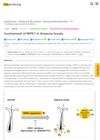
RIPK1 inhibitors might help prevent alopecia areata.
 March 2025 in “Jurnal Farmamedika (Pharmamedica Journal)”
 Procyanidin from Indonesian spices may help heal diabetic wounds.
November 2022 in “Journal of Investigative Dermatology” ILC1-like cells can cause alopecia areata by themselves.
37 citations
,
January 1986 in “Carcinogenesis” ODC expression in mouse skin and tumors is varied and can be inhibited by retinoic acid or cycloheximide.
3 citations
,
April 1997 in “Developmental Dynamics” Trypsin slows hair growth and affects color by causing cell death in hair follicles.
 11 citations
,
September 2011 in “Biochemical journal”
11 citations
,
September 2011 in “Biochemical journal” Neurotrophin-4 increases calcium current in specific mouse neurons through the PI3K pathway.
 July 2020 in “Bioinformatics and Bioengineering”
 Found key genes affecting hair loss, immune response, and skin development; more research needed for better treatments.
 January 2024 in “Burns and trauma”
 Activating autophagy helps skin regenerate better during tissue expansion.
32 citations
,
July 2003 in “Histochemistry and Cell Biology” April 2023 in “Journal of Investigative Dermatology” RNase L suppresses regeneration in mammals.
36 citations
,
April 2016 in “Biochimie” A substance called epidermal growth factor helps increase the growth of important hair follicle cells by activating a specific cell communication route.
 June 2025 in “Asia-Pacific Journal of Molecular Biology and Biotechnology”
 Papain from papaya may help treat cardiovascular diseases by breaking down fibrin.
Deleting the MAD2L1 gene is tolerated in certain mouse cancer models.
26 citations
,
May 2020 in “JCI Insight” Alopecia areata involves specific immune cells, offering potential treatment targets.
338 citations
,
April 2001 in “Current Biology” c-Myc activation in mouse skin increases sebaceous gland growth and affects hair follicle development.
1 citations
,
August 2025 in “Epigenetics & Chromatin” H3K4me3 helps control RSPO3 to influence hair growth and development.
July 2017 in “Cancer Research” Krt15+ cells in mice can resist radiation, regenerate tissue, and start tumors, suggesting new cancer treatment targets.
 7 citations
,
September 2017 in “Scientific Reports”
7 citations
,
September 2017 in “Scientific Reports” Mice with too much sPLA₂-IIA have hair loss and poor wound healing due to abnormal hair growth and stem cell depletion.