 6 citations
,
January 2013 in “Experimental dermatology”
6 citations
,
January 2013 in “Experimental dermatology” Bimatoprost increases hair growth in mice without breaking down into other substances.
 13 citations
,
July 2019 in “Journal of Dermatological Science”
13 citations
,
July 2019 in “Journal of Dermatological Science” Increasing alkaline phosphatase in human skin cells helps to grow more hair.
1 citations
,
January 2022 Eclipta prostrata may help with hair growth and liver health, but more research is needed.
1 citations
,
January 2016 PRP is a promising non-surgical option for skin and hair rejuvenation.
 July 2025 in “International Journal of Allied Medical Sciences and Clinical Research”
 Eclipta prostrata is a medicinal herb with potential health benefits for various conditions and could be used in modern medicine.
 April 2023 in “Journal of Investigative Dermatology”
 Transplanted stem cells from hair follicles significantly boosted hair growth and normalized follicles in certain mice.
 5 citations
,
October 2021 in “PubMed”
5 citations
,
October 2021 in “PubMed” Exosomes from human fat stem cells can potentially enhance hair growth and survival, providing a new possible treatment for hair loss.
 January 2019 in “LASER THERAPY”
 Laser technologies improve medical treatments and outcomes.
 14 citations
,
May 2018 in “Journal of the American Academy of Dermatology”
14 citations
,
May 2018 in “Journal of the American Academy of Dermatology” Platelet-rich plasma might be a new way to treat lichen planopilaris.
 2 citations
,
May 2021 in “Stem Cells International”
2 citations
,
May 2021 in “Stem Cells International” Human pluripotent stem cells could be used to make platelets for medical use, but safety, effectiveness, and cost issues need to be resolved.
May 2018 in “University Library - University of Saskatchewan (University of Saskatchewan)” A pulse-based diet with exercise improved PCOS health more than another diet, but benefits didn't last long-term.
 15 citations
,
March 2020 in “Journal of cosmetic dermatology”
15 citations
,
March 2020 in “Journal of cosmetic dermatology” PRP is effective for improving the appearance around the eyes.
 April 2016 in “Journal of Investigative Dermatology”
 Blocking Prostaglandin D₂ (PGD₂) could help treat hair loss.
 316 citations
,
June 2004 in “The journal of investigative dermatology/Journal of investigative dermatology”
316 citations
,
June 2004 in “The journal of investigative dermatology/Journal of investigative dermatology” Microspheres about 1.5 micrometers in size can best penetrate hair follicles, potentially reaching important stem cells.
Platelet-rich plasma (PRP) can help with hair loss and improve hair transplant results.
 August 2024 in “Quality in Sport”
 PRP helps with skin, hair, and wound treatments but needs more research for standard use.
 75 citations
,
August 2011 in “Journal of Investigative Dermatology”
75 citations
,
August 2011 in “Journal of Investigative Dermatology” Forming spheres boosts the ability of certain human cells to create hair follicles when mixed with mouse skin cells.
January 2015 in “Annals of dermatology/Annals of Dermatology” Using travoprost for glaucoma may cause extra hair growth and darker skin around the eyes, but these effects can reverse after stopping the drug.
15 citations
,
March 1987 in “Phycologia” Phosphorus limitation causes significant hair growth in certain algae.
 January 2024 in “Wiadomości Lekarskie”
 Point of Care in radiology speeds up diagnosis and treatment by performing tests where the patient is.
 May 2025 in “International Journal of Molecular Sciences”
 DHHB from Platycladus orientalis L. promotes hair growth and could be a natural alternative to current treatments.
 6 citations
,
September 2020 in “Advanced Biology”
6 citations
,
September 2020 in “Advanced Biology” Blue-light activation of TrkA improves hair-follicle stem cells' ability to become neurons and glial cells.
 1 citations
,
March 2024 in “Brain Imaging and Stimulation”
1 citations
,
March 2024 in “Brain Imaging and Stimulation” A low-cost, 3D-printed light therapy device is safe and effective but needs more testing before use on people.
 October 2014 in “Faculty Opinions – Post-Publication Peer Review of the Biomedical Literature”
 Adding dalteparin and protamine microparticles to platelet-rich plasma can boost hair growth more than using platelet-rich plasma alone.
 November 2025 in “Communications Materials”
 Pomelo peel can be turned into materials that help stop bleeding and heal wounds better than commercial dressings.
December 2004 in “Reproduction Fertility and Development” Porcine hair follicles are useful for studying keratinocyte function, with galectin-1 as a potential stem cell marker.
January 2011 in “Yearbook of Endocrinology”  January 2023 in “Frontiers in bioscience”
 Artemis protein may help control hair growth and health by influencing cell processes.
April 2026 in “Spectrochimica Acta Part A Molecular and Biomolecular Spectroscopy” 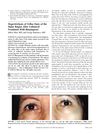 23 citations
,
April 2004 in “American Journal of Ophthalmology”
23 citations
,
April 2004 in “American Journal of Ophthalmology” Using bimatoprost on one side of the face caused increased cheek hair growth in a patient.