28 citations
,
January 2016 in “RSC Advances” A non-toxic formula using polycarboxylic acids strengthens and improves hair.
 1 citations
,
April 2021 in “Han'gug miyong haghoeji/Journal of the Korean society of cosmetology”
1 citations
,
April 2021 in “Han'gug miyong haghoeji/Journal of the Korean society of cosmetology” Aspartic acid at 0.75% makes perms more effective and less damaging to hair.
January 2026 in “Molecules” A new perming method is less damaging to hair and works as well as traditional methods.
 August 2021 in “Han'gug miyong haghoeji/Journal of the Korean society of cosmetology”
 Using natural polyphenol cross-linkers like tannic acid and green tea extract in perm treatments improves curling and protects hair.
Using enzymes to link proteins makes hair repair treatments more effective and long-lasting.
July 2024 in “International journal of agriculture and food sciences research.” The new fish peptide conditioner significantly improves and repairs damaged hair better than a commercial wheat protein conditioner.
 2 citations
,
September 1980 in “Experientia”
2 citations
,
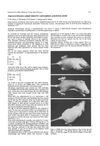
September 1980 in “Experientia” Polyethylene alanine caused hair loss in young lab animals but not in adults, with hair regrowth occurring within 20 days.
 7 citations
,
May 2021 in “Applied sciences”
7 citations
,
May 2021 in “Applied sciences” Proteins like BSA and keratin can effectively style hair and protect it, offering eco-friendly alternatives to chemical products.
 3 citations
,
January 2021 in “Wear”
3 citations
,
January 2021 in “Wear” Hair's resistance to wear varies by ethnicity and treatment, with less wear indicating stronger hair.
7 citations
,
September 2020 in “International Journal of Cosmetic Science” Different sizes of keratin peptides can strengthen hair, with smaller ones possibly increasing volume and larger ones repairing damage.
3 citations
,
July 2023 in “Acta Biomaterialia” PepACS offers a safer, eco-friendly way to perm, dye, and repair hair.
February 2022 in “Fibers” Scientists created a non-toxic, sugar-based hair product that can style hair without damage.
 July 2026 in “International Journal of Molecular Sciences”
 Cyclodextrin-grafted polysaccharides improve drug delivery and pollutant removal, offering sustainable solutions for medicine and the environment.
65 citations
,
March 2022 in “Molecules” Nanocarriers can enhance cosmetics but face regulatory and safety challenges.
16 citations
,
October 2021 in “Trends in biotechnology” Future hair products will use ecofriendly proteins and peptides to improve hair health and appearance.
 April 2025 in “Pharmaceuticals”
 APA is a promising new compound for repairing damaged hair, outperforming Olaplex® in strength and elasticity.
December 2020 in “Macromolecular Symposia” These polymers can improve hair texture and reduce water loss in hair cosmetics.
15 citations
,
November 2024 in “Materials” PHAs are promising biodegradable materials for medical and dental uses.
20 citations
,
February 2017 in “European journal of pharmaceutical sciences” The MPA-ISO cocrystal improved solubility and dissolution rate, while the others did not.
Polyglutamic acid is a valuable, sustainable ingredient for skincare and haircare products.
September 1978 in “PubMed” Chondroitin sulphate is more abundant than hyaluronic acid in skin and hair samples, except in gamma-keratosis.
 August 2018 in “Journal of Investigative Dermatology”
 Polyunsaturated fatty acids, like arachidonic acid and eicosapentaenoic acid, can promote hair growth and may help treat hair loss.
 1 citations
,
December 2015 in “Endocrinology”
1 citations
,
December 2015 in “Endocrinology” Decanoic acid may help treat PCOS by reducing androgen levels and improving glucose sensitivity.
191 citations
,
November 2007 in “Journal of Biological Chemistry” Very-long-chain acyl-CoA synthetases and fatty acid transport proteins play key roles in fatty acid metabolism and lipid processing in different tissues.
 April 2026 in “Lithuanian University of Health Sciences”
 Cinnamic acid in hydrogels can effectively fight fungi but spreads less than in solution.
September 2025 in “Chemical Engineering Journal” A new sustainable polyester is tough, recyclable, biodegradable, and aids wound healing, supporting a circular economy.
 59 citations
,
January 2015 in “Nanoscale”
59 citations
,
January 2015 in “Nanoscale” The new micelle formulation delivers acne treatment more effectively and safely than current gels.
 6 citations
,
March 2003 in “Archiv Der Pharmazie”
6 citations
,
March 2003 in “Archiv Der Pharmazie” Scientists made new substances that can block an enzyme linked to prostate issues and hair loss, with potential for creating a new treatment.
January 2015 in “Seoul National University Open Repository (Seoul National University)” Polyunsaturated fatty acids, especially arachidonic acid and eicosapentaenoic acid, can promote hair growth.
 87 citations
,
March 2000 in “American Journal of Clinical Dermatology”
87 citations
,
March 2000 in “American Journal of Clinical Dermatology” Alpha-hydroxy acids, like glycolic acid, safely improve skin issues and work on all skin types.