
L-PGDS has specific binding sites for its functions and could help in drug delivery system design.
 September 2019 in “University of Huddersfield Repository (University of Huddersfield)”
 Nanoemulsions can effectively deliver antiseptic agents deep into the skin.
 May 2019 in “bioRxiv (Cold Spring Harbor Laboratory)”
 Testosterone significantly affects urination differences between male and female mice.
 December 2018 in “Zenodo (CERN European Organization for Nuclear Research)”
 Biofield Energy Treatment may boost hair growth.
 January 2018 in “Springer eBooks”
 Athletes need effective management of skin disorders for their performance and well-being.
 January 2018 in “Clinical dermatology open access journal”
 The Biofield Energy Treated herbal mixture increased hair growth in mice compared to the untreated mixture.
 January 2018 in “Springer eBooks”
 Terbinafine is the most effective medicine for fungal nail infections, especially for diabetics and those with weak immune systems.

The document recommends a multidisciplinary approach and experience sharing to advance facial feminization surgery as a medical field.

Orthognathic surgeons play a key role in modifying masculine facial features to be more feminine, often improving transgender women's quality of life.

Glycyrrhizic acid and licorice extract can significantly reduce unwanted hair growth.
 January 2015 in “Indian Journal of Medical Biochemistry”
 Men with early balding should be checked for metabolic syndrome, as there's a link between the two.
 July 2014 in “Disease-a-Month”
 The document gives treatment advice for various skin conditions, like using metronidazole for perioral dermatitis and minoxidil for hair loss.

Keratin hydrogels from human hair show promise for tissue engineering and regenerative medicine.
 March 2012 in “Daehan hwajangpum hakoeji/Daehan hwa'jangpum haghoeji”
 The cream with plant components increased skin collagen and the hair tonic promoted hair growth in mice.
 January 2012 in “Elsevier eBooks”
 New treatments for skin and hair repair show promise, but further improvements are needed.
 August 2010 in “Springer eBooks”
 Hormonal contraceptives are effective for teens but require careful consideration of side effects and individual health.

Acidic sandy clay damages archaeological hair the most, while dry conditions preserve but make it brittle; silicone oil can help keep the hair flexible.
 December 2008 in “The American Journal of Cosmetic Surgery”
 Multi-pass laser skin treatments improved healing, reduced pain, and had no major complications.
 June 2008 in “British Journal of Dermatology”
 Herpes gestationis is linked to certain antigens, atopic eczema affects T cell populations and may be eased by breastfeeding, higher doses of anti-androgen treatment can improve androgenic alopecia, topical minoxidil increases hair thickness, long-term methotrexate therapy can cause liver fibrosis in psoriasis patients, and Lichen Sclerosus et Atrophicus patients aren't at higher risk for autoimmune disorders.
 June 2008 in “Springer eBooks”
 The document concludes that permanent hair loss conditions are complex, require early specific treatments, and "secondary permanent alopecias" might be a more accurate term than "secondary cicatricial alopecia."
 January 2001 in “Dermatologic Surgery”
 The letters discussed medical tools, costs, treatment efficacy, and patient care complexities.
 March 1997 in “The American Journal of Cosmetic Surgery”
 A new hair transplant method showed promising results and a study found how deep a CO₂ laser can penetrate skin.
 January 1997 in “Elsevier eBooks”
 The document explains how shampoos clean, rinses condition, one-step shampoos offer convenience, and hair growth promoters aim to prevent hair loss, emphasizing the importance of scientific evidence for their effectiveness.
Meshushit ointment helps form thicker healing tissue and preserves hair follicles in burns.
 March 1965 in “Hospital Topics”
 Chemotherapy provides symptom relief and extends life in 30-50% of gynecological cancer cases, but has only cured choriocarcinoma.
 March 2026 in “Tissue Engineering and Regenerative Medicine”
 Dopamine-modified adhesives are improving for sticking tissues underwater.
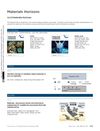 January 2026 in “Materials Horizons”
  October 2020 in “Journal of Pharmaceutical Sciences”
 Topical finasteride with EGCG or TA improves drug release and dermal uptake, potentially treating hair loss effectively.

AGA causes permanent hair loss; women use 2% minoxidil, men use 1 mg finasteride daily.
 April 2008 in “Blackwell Publishing Ltd eBooks”
 AGA causes permanent hair loss; minoxidil helps men, finasteride helps men, minoxidil somewhat helps women, estrogens/antiandrogens lack evidence for women.