25 citations
,
May 2008 in “Journal of cosmetic dermatology” Conditioning agents, especially jojoba oil and lauryl PEG/PPG-18/18 methicone, protect and strengthen chemically straightened Afro-ethnic hair.
 43 citations
,
September 2001 in “Scanning”
43 citations
,
September 2001 in “Scanning” Hair treatments like bleaching increase friction by exposing tiny pores on the hair surface.
1 citations
,
August 1999 in “ACS symposium series” Polymer JR400 sticks to hair but washes off with detergent.
 8 citations
,
December 2003 in “Materials Research-ibero-american Journal of Materials”
8 citations
,
December 2003 in “Materials Research-ibero-american Journal of Materials” Polyquaternium 7® builds up on hair, improving its look and feel, and AFM is good for measuring these changes.
 2 citations
,
January 2008 in “Journal of Society of Cosmetic Chemists of Japan”
2 citations
,
January 2008 in “Journal of Society of Cosmetic Chemists of Japan” PMS nanoparticles improve damaged hair by protecting and restoring its surface and color.
 13 citations
,
March 2006 in “International Journal of Cosmetic Science”
13 citations
,
March 2006 in “International Journal of Cosmetic Science” The study found that a polymer treatment changes the charge on hair surfaces, making bleached hair smoother and less porous.
1 citations
,
December 2022 in “Skin Research and Technology” The technique helps measure how hair styling ingredients affect hair's stiffness and flexibility.
 3 citations
,
August 1980 in “Acs Symposium Series”
3 citations
,
August 1980 in “Acs Symposium Series” Hair increases in size when it absorbs water, and treatments like bleaching affect how much water it can take in.
January 2010 in “EPub Bayreuth (University of Bayreuth)” Polyquaternium-87 reduces hair friction the most among tested polymers.
 4 citations
,
October 2017 in “Advances in tissue engineering & regenerative medicine”
4 citations
,
October 2017 in “Advances in tissue engineering & regenerative medicine” Researchers created a potential skin substitute using a biodegradable mat that supports skin cell growth and layer formation.
2 citations
,
September 1996 in “Journal of Applied Polymer Science” Potassium cyanide changes hair's disulfide bonds to monosulfide, affecting high-sulfur proteins more.
11 citations
,
September 1996 in “Journal of applied polymer science” Potassium cyanide treatment changes hair's disulfide bonds, making it more elastic.
 4 citations
,
December 2018 in “Macedonian Journal of Chemistry and Chemical Engineering”
4 citations
,
December 2018 in “Macedonian Journal of Chemistry and Chemical Engineering” A new method accurately measures amino acids in treated hair, showing bleaching reduces amino acids while protein treatments increase them.
 4 citations
,
November 2017 in “Journal of Cosmetic Dermatology”
4 citations
,
November 2017 in “Journal of Cosmetic Dermatology” Certain polymers can stick to hair and increase volume, working best at a pH of 7 to 9.
 June 2017 in “University of the Arts London Research Online (University of the Arts London)”
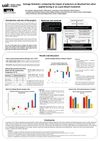
 Polymers help reduce damage and improve bleached hair when used during or after bleaching.
 1 citations
,
July 2019 in “Microscopy Today”
1 citations
,
July 2019 in “Microscopy Today” Microfluorometry effectively measures how much polymer coats and penetrates hair, useful for evaluating hair products.
 January 2006 in “Journal of Society of Cosmetic Chemists of Japan”
 The new hybrid polymer improves dyed hair's color, feel, and manageability.
 7 citations
,
July 2018 in “Journal of Functional Biomaterials”
7 citations
,
July 2018 in “Journal of Functional Biomaterials” A new anti-baldness patch effectively treats hair loss by blocking enzymes linked to the condition.
 26 citations
,
March 2013 in “Journal of Biomedical Materials Research Part A”
26 citations
,
March 2013 in “Journal of Biomedical Materials Research Part A” Researchers created a 3D hydrogel that mimics human hair follicles, which may help with hair loss treatments.
 29 citations
,
December 2011 in “British Journal of Dermatology”
29 citations
,
December 2011 in “British Journal of Dermatology” A new hair treatment with caffeine and other ingredients makes hair thicker and less likely to break.
 17 citations
,
July 2019 in “Scientific reports”
17 citations
,
July 2019 in “Scientific reports” Surface and internal treatments can help prevent hair lipid loss during washing.
 34 citations
,
October 1982 in “Journal of applied polymer science”
34 citations
,
October 1982 in “Journal of applied polymer science” Moisture content significantly affects how human hair breaks.
 July 2024 in “ADMET & DMPK”
 Surface-modified nanostructured lipid carriers can improve hair growth treatments.
 2 citations
,
March 2005 in “International Journal of Cosmetic Science”
2 citations
,
March 2005 in “International Journal of Cosmetic Science” Human hair structure varies by ethnicity, and certain treatments can improve hair condition and appearance.
 March 2005 in “International Journal of Cosmetic Science”
 DVI provides detailed 3D imaging of hair and shows how various products protect and enhance hair.
5 citations
,
December 2020 in “International journal of biological macromolecules” Treatments improved hair surface and scale structure but didn't increase certain bonds in the hair cortex.
 12 citations
,
March 2020 in “Journal of Bioactive and Compatible Polymers”
12 citations
,
March 2020 in “Journal of Bioactive and Compatible Polymers” Nanoparticles show potential for controlled release of hair loss drugs, improving treatment effectiveness.
 7 citations
,
January 1981 in “Springer eBooks”
7 citations
,
January 1981 in “Springer eBooks” Certain small molecules and polymers can change hair's physical properties and how it feels by affecting the bonds within the hair.
 1 citations
,
March 2005 in “International Journal of Cosmetic Science”
1 citations
,
March 2005 in “International Journal of Cosmetic Science” Twisting hair weakens it, but strength can be recovered at low twist levels.
 6 citations
,
March 2019 in “International Journal of Molecular Medicine”
6 citations
,
March 2019 in “International Journal of Molecular Medicine” Finasteride microspheres help reduce hair loss for up to eight weeks with fewer side effects.