 2 citations
,
January 2007 in “Acta Dermato Venereologica”
2 citations
,
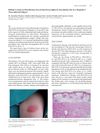
January 2007 in “Acta Dermato Venereologica” A patient developed a blister at the injection site after hepatitis C treatment.
The study concludes that Twenty-nail dystrophy is more common in boys among children and in women among adults, with varying response to treatment.
 May 2006 in “Frontiers in Neuroendocrinology”
 Progesterone and its metabolites affect myelin protein expression differently in male and female rat Schwann cells.
 24 citations
,
March 2009 in “Journal of the European Academy of Dermatology and Venereology”
24 citations
,
March 2009 in “Journal of the European Academy of Dermatology and Venereology” Scalp pain is a common symptom in people with active hair loss from telogen effluvium.
 6 citations
,
January 2011 in “Journal of pediatric endocrinology & metabolism/Journal of pediatric endocrinology and metabolism”
6 citations
,
January 2011 in “Journal of pediatric endocrinology & metabolism/Journal of pediatric endocrinology and metabolism” An 11-year-old Greek girl was diagnosed with a rare genetic disorder, highlighting the importance of genetic testing and family history.
 March 2026 in “Cancer Diagnosis & Prognosis”
 Some side effects of breast cancer chemotherapy, like neuropathy and nail loss, can last long after treatment.
March 2006 in “The FASEB Journal” Two methods improved nerve regeneration and touch recovery in skin grafts for burn patients.
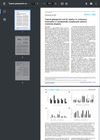 April 2024 in “Skin health and disease”
 Using a special skin cream with gabapentin helped reduce symptoms of a certain scalp condition but didn't change nerve fibers or skin chemicals.
The chapter explains that there are many genetic skin disorders affecting skin cell formation, including both common and rare types.
 September 2021 in “Physiology News”
 A neurodivergent physiologist reflects on how his unique perspective benefits his research, despite facing challenges with tasks and communication.
August 2024 in “American Journal of Medical Genetics Part A” Variants in the CCDC47 gene are linked to trichohepatoneurodevelopmental syndrome.
21 citations
,
August 1987 in “Archives of Dermatology” High-dose methotrexate can cause severe skin and nail issues.
August 2025 in “Annals of the Rheumatic Diseases” SLE is likely one disease with various symptoms, not multiple distinct diseases.
2 citations
,
May 1979 in “PubMed” Monilethrix is not caused by a metabolic defect.
 38 citations
,
July 1998 in “Journal of surgical oncology”
38 citations
,
July 1998 in “Journal of surgical oncology” A woman with breast cancer developed a rare condition causing excessive fine hair growth on her face and body.
2 citations
,
August 2008 in “Oncotarget” Apoptosis in hair follicles spreads through cell death signals, with stem cells slowing the process.
 43 citations
,
December 2020 in “PLOS Genetics”
43 citations
,
December 2020 in “PLOS Genetics” New method finds genetic links between Type 2 Diabetes and Prostate Cancer not seen before.
10 citations
,
May 1974 in “American journal of diseases of children” The girl had a rare disorder causing mental and physical symptoms, with weak hair and unclear neurological issues.
28 citations
,
September 2021 in “JAAD Case Reports” The Pfizer COVID-19 vaccine may rarely trigger nail psoriasis.
 26 citations
,
December 2022 in “Journal of the American Academy of Dermatology”
26 citations
,
December 2022 in “Journal of the American Academy of Dermatology” Monkeypox skin lesions show full-thickness skin death and swollen skin cells, with the virus found in affected cells.
 2 citations
,
June 2025 in “International Journal of Nanomedicine”
2 citations
,
June 2025 in “International Journal of Nanomedicine” New biomaterials can improve wound healing by promoting nerve and tissue regeneration.
12 citations
,
January 1998 in “Clinical Infectious Diseases” A kidney transplant patient developed leprosy, likely due to immunosuppression and genetic factors, and improved with treatment.
January 2024 in “Indian Journal of Psychiatry” Precision neuromodulation may improve schizophrenia symptoms.
A 9-year-old girl developed type 1 diabetes and alopecia after being treated for a rare kidney disease.
 January 2026 in “Journal of Clinical and Investigative Dermatology”
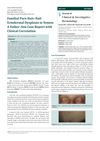
 A father and son in Yemen have a genetic condition causing hair loss and nail problems.
1 citations
,
November 2023 in “Indian Dermatology Online Journal” Severe itching from shingles can cause hair loss due to rubbing.
July 2025 in “Journal of Investigative Dermatology” Upadacitinib effectively treats pyoderma gangrenosum.
40 citations
,
November 1966 in “Archives of Dermatology” Trichorrhexis nodosa is mainly caused by hair trauma and improves with gentler hair care.
 December 2014 in “Endocrinología y nutrición”
 The woman's rare combination of diseases suggests an unknown factor may predispose individuals to multiple endocrine diseases.