3 citations
,
January 2025 in “International Journal of Molecular Sciences” EGCG shows strong electron transfer interactions when bonded to DPPG lipids.
Liposomes with minoxidil and PEP penetrate skin slowly but reach deeper layers than foam.
2 citations
,
December 1994 in “International Journal of Cosmetic Science” Polymer complexation makes hyaluronic acid stick to hair better, enhancing its moisturizing effects.
March 2026 in “Dyes and Pigments” Riboflavin and blue light speed up genipin hair dye, making it fast, glossy, stable, and eco-friendly.
3 citations
,
January 2025 in “Journal of Natural Products” Calancardin B may help reduce inflammation in immune cells.
 November 2023 in “Journal of the American Academy of Dermatology”
 Skin of color can spontaneously repigment after a phenol-croton oil chemical peel.
July 2007 in “International Journal of Cosmetic Science” The new polymer improves dyed hair's color, moisture, shine, and smoothness.
February 2025 in “Universidade Nova de Lisboa's Repository (Universidade Nova de Lisboa)”  28 citations
,
August 2015 in “Journal of Drug Targeting”
28 citations
,
August 2015 in “Journal of Drug Targeting” The new CoQ10 gel protects mouse skin better against aging from UV light than the old gel.
 26 citations
,
April 2019 in “Advances in wound care”
26 citations
,
April 2019 in “Advances in wound care” Tannic acid helps wounds heal faster in rats by activating certain cell signals and reducing inflammation.
 14 citations
,
April 2019 in “Saudi pharmaceutical journal”
14 citations
,
April 2019 in “Saudi pharmaceutical journal” Microparticles help caffeic acid stay longer in hair follicles for better treatment of folliculitis.
 14 citations
,
January 2006 in “Skin pharmacology and physiology”
14 citations
,
January 2006 in “Skin pharmacology and physiology” Procyanidin compounds from apples and barley promote hair growth and prevent hair cell death.
January 2026 in “Chemistry & Biodiversity” Platycladus orientalis fruit extracts have antioxidant and enzyme-inhibiting properties, useful for health and food applications.
21 citations
,
September 2013 in “Current medicinal chemistry” HAC and BAC improve skin targeting and reduce diffusion without causing irritation.
 11 citations
,
January 2017 in “Oxidative medicine and cellular longevity”
11 citations
,
January 2017 in “Oxidative medicine and cellular longevity” Antroquinonol may help prevent skin depigmentation by suppressing certain immune cells.
 1 citations
,
May 2017 in “Journal of The American Academy of Dermatology”
1 citations
,
May 2017 in “Journal of The American Academy of Dermatology” The moisturizer with phytol improved skin texture and reduced fine wrinkles better than the moisturizer without it.
 22 citations
,
September 2019 in “ACS omega”
22 citations
,
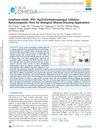
September 2019 in “ACS omega” The new nanocomposite films are stronger, protect against UV, speed up wound healing, and are antibacterial without being toxic.
 June 2024 in “Journal of medical pharmaceutical and allied sciences”
 Orange pectin boosts probiotic growth, especially L. acidophilus.
1 citations
,
August 2024 in “Journal of Pharmacy & Pharmaceutical Sciences” The DPCP/HPβCD complex improves solubility and anti-inflammatory effects for alopecia areata treatment.
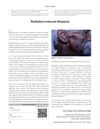 17 citations
,
January 2010 in “International journal of trichology”
17 citations
,
January 2010 in “International journal of trichology” A man experienced hair loss from radiotherapy, which can be temporary or permanent depending on radiation dose, with potential treatments available.
 April 2026 in “Lithuanian University of Health Sciences”
 Cinnamic acid in hydrogels can effectively fight fungi but spreads less than in solution.
1 citations
,
January 2006 in “Maia-rivista Di Letterature Classiche” Polygonum multiflorum is used for health benefits but may cause liver issues.
 1 citations
,
February 2022 in “International Journal of Health and Pharmaceutical (IJHP)”
1 citations
,
February 2022 in “International Journal of Health and Pharmaceutical (IJHP)” Combining cantigi and henna leaf extracts boosts antioxidant activity.
36 citations
,
August 2020 in “Polymers” The patch delivers more drugs through the skin effectively.
August 2024 in “Repozitorij Farmaceutsko-biokemijskog fakulteta (Sveučilišta u Zagrebu)” The gel can effectively deliver melatonin through the skin.
 4 citations
,
January 1994 in “Yakugaku zasshi”
4 citations
,
January 1994 in “Yakugaku zasshi” EPC-K is stable except at very acidic pH or when exposed to sunlight, and it can decompose in low ethanol concentrations.

DiluCap improves how quickly minoxidil and finasteride dissolve and controls the release of melatonin and naltrexone.
3 citations
,
May 2020 in “Acta pharmaceutica” Protocatechuic acid can reduce melanin production and boost antioxidant activity in hair follicles.
18 citations
,
January 2022 in “TURKISH JOURNAL OF AGRICULTURE AND FORESTRY” Platycladus orientalis essential oil and ethanol extracts can be effective natural antioxidants and antibacterial agents.
 4 citations
,
December 2020 in “Scientific Reports”
4 citations
,
December 2020 in “Scientific Reports” The plant extract mixture improves skin health by reducing inflammation, boosting collagen, and supporting anti-aging.