 1 citations
,
December 2022 in “Journal of applied biological chemistry”
1 citations
,
December 2022 in “Journal of applied biological chemistry” TRP-hair essence protects hair from heat damage, maintains color, and strengthens hair.
6 citations
,
October 2003 in “Journal of applied polymer science” A new method using poly(ethylene imine) improves hair dyeing at lower temperatures with better color retention.
June 2025 in “OPAL (Open@LaTrobe) (La Trobe University)” A new hair dye method uses polyphenols and oxidation to create a long-lasting brown color on gray hair.
Trichohyalin, a protein from pig tongue, was purified and found to have a filamentous structure.
 3 citations
,
January 1989 in “Journal of Japan Oil Chemists Society”
3 citations
,
January 1989 in “Journal of Japan Oil Chemists Society” AMT is the best surfactant for hair and scalp care.
September 2025 in “International Journal of Cosmetic Science” A balanced mix of cationic guar gum and anionic surfactants improves hair conditioning and protection.
 April 2017 in “Journal of Investigative Dermatology”
 Applying pseudoceramide improved skin and hair health.
 28 citations
,
December 2011 in “Biocatalysis and biotransformation”
28 citations
,
December 2011 in “Biocatalysis and biotransformation” PDI helps restore over-bleached hair's strength and structure by attaching special peptides.

Polyethylene glycol 400 and glycerol are effective as moisturizers in anti-hair loss cream with saw palmetto extract.
 August 2023 in “International Journal of Molecular Sciences”
 The new hydrogel with zinc and polysaccharides improves wound healing and has antibacterial properties.
 11 citations
,
January 2006 in “Drug development and industrial pharmacy”
11 citations
,
January 2006 in “Drug development and industrial pharmacy” Adding TPGS to minoxidil solutions can improve skin penetration and retention, especially in water and PEG 400-based solutions.
1 citations
,
April 2025 in “Journal of Cosmetic Dermatology” The serum improves facial skin quality safely and effectively.
March 2023 in “Reactions Weekly”  1 citations
,
December 2016 in “Vìsnik farmacìï”
1 citations
,
December 2016 in “Vìsnik farmacìï” The best gel to treat a type of hair loss has 1% sodium alginate, 1% carbopol, 5% glycerin, 0.2% potassium sorbate, and water.
2 citations
,
January 2000 in “Quaternary Science Reviews”  33 citations
,
January 2022 in “Scientific Reports”
33 citations
,
January 2022 in “Scientific Reports” The method improved CoQ10's stability and effectiveness for anti-ageing skincare.
7 citations
,
September 2020 in “International Journal of Cosmetic Science” Different sizes of keratin peptides can strengthen hair, with smaller ones possibly increasing volume and larger ones repairing damage.
 March 2025 in “Advanced Materials”
 The hydrogel helps heal diabetic wounds quickly and effectively.
 December 2022 in “Research journal of topical and cosmetic sciences”
 TRICHONEM™ hair wash powder effectively treats dandruff and promotes hair growth.
February 2026 in “Journal of Surfactants and Detergents” Potassium monoester maleates can effectively repair damaged hair and improve haircare products.
January 2001 in “China Surfactant Detergent & Cosmetics” Both conditioners help protect hair from perm damage, but their effectiveness varies.
 November 2023 in “ACS Applied Polymer Materials”
 The new method extracts keratin from hair faster and better, and the resulting product improves blood clotting and wound healing, with potential for personalized treatments.
17 citations
,
January 2016 in “Journal of Drug Delivery” PEG and keratin scaffolds can effectively deliver protein drugs by controlling release based on pH levels.
 January 2013 in “Transactions of the Materials Research Society of Japan”
 CMADK reduces hair damage from bleaching and permanent waving.
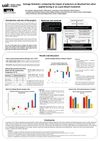 June 2017 in “University of the Arts London Research Online (University of the Arts London)”
 Polymers help reduce damage and improve bleached hair when used during or after bleaching.
116 citations
,
April 2022 in “Science Translational Medicine” The EG7 foam dressing improved wound healing and reduced inflammation better than other treatments.
28 citations
,
January 2016 in “RSC Advances” A non-toxic formula using polycarboxylic acids strengthens and improves hair.
1 citations
,
November 2023 in “Polymers” Polyurethane dressings show promise for wound healing but need improvements to adapt better to the healing process.
March 2007 in “Journal of Cell Science” K10 may not prevent tumors as previously thought and might increase benign tumor risk.
June 2025 in “Healthy-Mu Journal” The optimized Cinchonine gel effectively fights acne bacteria and is safe for twice-daily use.