
Psoriasis is linked to a higher risk of autoimmune diseases and other health conditions.
May 2015 in “The Journal of Dermatology” Alopecia areata and polymyalgia rheumatica may be linked autoimmune conditions.
 October 2023 in “Journal of the Endocrine Society”
 A rare case of Cushing syndrome was successfully treated with one-sided adrenal gland removal, suggesting personalized treatment is important.
2 citations
,
May 2022 in “International journal of trichology” Plica neuropathica is a tangled hair condition that may be caused by hair damage or psychiatric issues and is treated by cutting the hair and addressing mental health.
 April 2023 in “Journal of Investigative Dermatology”
 People with all types of psoriasis are more likely to have autoimmune diseases than those without psoriasis.
October 2023 in “Journal of the Endocrine Society” A woman with Hashimoto's hypothyroidism developed Graves' hyperthyroidism after 20 years, showing these conditions may be linked.
 May 2025 in “The Journal of Rheumatology”
 Anifrolumab may help improve symptoms in patients with overlapping autoimmune diseases.
1 citations
,
January 2008  25 citations
,
July 1994 in “Archives of Dermatology”
25 citations
,
July 1994 in “Archives of Dermatology” A man's skin condition, pemphigus vulgaris, came back after he was treated with interleukin 2 for cancer.
24 citations
,
July 2005 in “Journal of the American Academy of Dermatology” A woman's eyelashes grew thicker and longer after taking topiramate, but returned to normal when she stopped the medication.
January 2009 in “Epsilon: Revista de la Sociedad Andaluza de Educación Matemática "Thales"” A CCS patient with severe complications was successfully treated using combined therapies.
7 citations
,
December 2024 in “Journal of the American Academy of Dermatology” Genetics, hormones, and microbiome changes contribute to hidradenitis suppurativa.
 January 1999 in “American Journal of Medical Genetics Part A”
 The report expanded knowledge of MBTPS1-related disorders by identifying new symptoms.
Different crystal forms of drugs can change their effectiveness.
 March 2024 in “Indian Journal of Dermatology”
 The man was diagnosed with Cronkhite-Canada syndrome, a rare disorder with GI polyps, skin issues, hair loss, and nail problems.
 June 2017 in “Poster presentations”
 All four treatments for early rheumatoid arthritis had similar safety profiles.
 November 2022 in “Journal of the Endocrine Society”
 Always consider xanthomatous hypophysitis before deciding on pituitary surgery.
 March 2023 in “International Journal of Herbal Medicine”
 Combining different treatments can help manage Polycystic Ovary Syndrome (PCOS) effectively.
June 2011 in “British Journal of Urology” Regulatory challenges make developing combination therapies in urology difficult and costly.

Mohamed Kandil suggests renaming Polycystic Ovary Syndrome to "Polyfollicular Anovulatory Androgenic Syndrome" to better describe its symptoms, but concerns exist that it may not cover all related issues like obesity and depression.
 3 citations
,
March 2014 in “Journal of Industrial Microbiology & Biotechnology”
3 citations
,
March 2014 in “Journal of Industrial Microbiology & Biotechnology” Scientists found a new gene in a bacterium that can modify an immunosuppressant drug, potentially helping to treat hair loss.
 12 citations
,
February 2010 in “Journal of the European Academy of Dermatology and Venereology”
12 citations
,
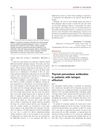
February 2010 in “Journal of the European Academy of Dermatology and Venereology” Some people with chronic hair loss may have thyroid autoimmunity.
2 citations
,
March 1997 in “Veterinary Dermatology” The Doberman had multiple skin tumors, but it's unclear if color dilution increased the risk.
2 citations
,
November 2004 in “Hospital pharmacy” Certain medications can cause serious side effects, so it's important to report them.
2 citations
,
July 2025 in “RMD Open” IL-1 blockade is effective for treating SURF, and personalized treatment is needed.
 May 2025 in “The Journal of Rheumatology”
 Chronic granulomatous disease may be linked to developing systemic lupus erythematosus.
17 citations
,
November 2009 in “Dermato-endocrinology” Medium-dose prednisolone pulse therapy is effective and safe for multifocal alopecia areata but not for more severe forms.
5 citations
,
November 2012 in “Journal of Clinical Psychopharmacology” Valproic acid and isoniazid can interact, causing toxicity, so careful monitoring is needed.
14 citations
,
March 1994 in “Archives of Dermatology” A married couple both developed alopecia areata, possibly due to shared stress.
 10 citations
,
October 2010 in “Hepatology”
10 citations
,
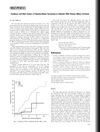
October 2010 in “Hepatology” Certain liver diseases respond well to specific treatments and have varying risks for liver cancer.