4 citations
,
January 2022 in “OAlib” Antioxidants might help with Long Covid by addressing oxidative stress and nutrient imbalances.
 31 citations
,
June 2020 in “Dermatologic Therapy”
31 citations
,
June 2020 in “Dermatologic Therapy” Patients with chronic skin conditions on systemic treatments did not have worse COVID-19 outcomes and could resume their treatments after recovery.
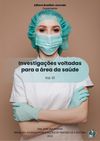 January 2023 in “Brazilian Journals Editora eBooks”
 The document concludes that Passiflora incarnata may help with anxiety, healthcare workers need mental support, common bacteria cause hospital UTIs, telehealth for heart failure needs research, kids' screen time has increased, pregnant teens are mostly okay with their body image, diagnosing post-surgery tuberculosis is hard, older and severely ill people are more likely to have long COVID symptoms, and psychiatrists should be part of pain management teams.
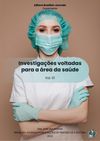 January 2023 in “Brazilian Journals Editora eBooks”
 Passiflora incarnata may help with anxiety but has risks and drug interactions.
There's a genetic link between Fragile X Syndrome and Autism Spectrum Disorder.
6.7% of urine cultures showed hospital-acquired urinary tract infections.
Children used screens more during COVID-19, causing various health complaints.
Autism Spectrum Disorder is often underdiagnosed in females.
Dissociative disorders in childhood sexual abuse victims are more common in males.
Most pregnant teenagers are not dissatisfied with their body image but worry about weight.
Diagnosing tuberculosis after knee surgery is challenging due to non-specific symptoms.
Post-COVID-19 syndrome is more common in older, severely affected patients.
Psychiatrists should be part of pain management teams due to the psychological aspects of pain.
 1 citations
,
April 2022 in “Rheumatology”
1 citations
,
April 2022 in “Rheumatology” A man developed autoimmune symptoms after the Pfizer COVID-19 vaccine, highlighting the need for thorough vaccine safety checks.
October 2022 in “Amplla Editora eBooks” COVID-19 can cause temporary hair loss in some people.
3 citations
,
February 2023 in “Frontiers in Immunology” The IGRA test effectively detects past SARS-CoV-2 exposure, especially using nucleocapsid peptides.
 June 2025 in “Academic Medical Journal”
 A 6-year-old girl experienced temporary hair loss after mild COVID-19, which improved naturally in 8 months.
 January 2023 in “Brazilian Journals Editora eBooks”
 Passiflora incarnata may help with anxiety and sleep issues but has side effects; teleconsultation for heart failure can improve quality of life; increased screen time for children during the pandemic led to more clinical complaints; older and severely affected COVID-19 patients are more likely to have long-term symptoms.
 January 2023 in “Brazilian Journals Editora eBooks”
 The document concludes that Passiflora incarnata could help with anxiety, telemedicine might improve heart failure care, screen time for kids has increased, pregnant teens in Brazil are mostly okay with their body image, rare tuberculosis infection can occur after knee surgery, older and severely ill people are more likely to have long COVID-19 symptoms, HPLC might diagnose more diabetes cases, and psychiatrists should be involved in pain management.
 January 2023 in “Brazilian Journals Editora eBooks”
 Nursing staff's mental health was affected during the COVID-19 pandemic.
 May 2022 in “CMAJ. Canadian Medical Association journal”
 Rosella C. believes an earlier diagnosis of Cushing disease could have prevented severe symptoms.
 11 citations
,
November 2020 in “Movement Disorders Clinical Practice”
11 citations
,
November 2020 in “Movement Disorders Clinical Practice” A man developed neurological issues from SARS-CoV-2 without severe breathing problems, worsening to death.
June 2025 in “British Journal of Dermatology” Frontal fibrosing alopecia can occur in men and may be linked to immune triggers like vaccines.
 January 2023 in “Brazilian Journals Editora eBooks”
 Surgery to fix a broken upper arm bone can sometimes lead to nerve damage.
 January 2023 in “Brazilian Journals Editora eBooks”
 People with cleft lip and palate often have respiratory problems.
 November 2025 in “Journal of Disease and Public Health”
 Post-COVID-19 syndrome is complex, affects 5%-10% of people, and requires better research and global collaboration for treatment.
 June 2025 in “Basrah Researches Sciences”
 Medicinal plants might help with post-COVID-19 issues, but more research is needed.
 December 2023 in “Y Dược học”
 Older adults in Vietnam often experience hair loss after COVID-19, especially women, singles, and those hospitalized.
 8 citations
,
October 2021 in “bioRxiv (Cold Spring Harbor Laboratory)”
8 citations
,
October 2021 in “bioRxiv (Cold Spring Harbor Laboratory)” Healthcare workers with a positive COVID-19 test were more likely to report long-COVID symptoms.
 October 2025 in “Dermatology Practical & Conceptual”
 Severe COVID-19 often leads to hair loss in India.
 January 2024 in “Pediatria Polska”
 Long-COVID symptoms in children after MIS-C are similar across different COVID-19 variants, with older age being a key factor.
 June 2024 in “Archives of dermatological research”
 Dietary supplements might help prevent post-COVID hair loss, but serum ferritin is not a reliable indicator.
 25 citations
,
January 2022 in “Endocrine journal”
25 citations
,
January 2022 in “Endocrine journal” Long COVID patients may have hormonal imbalances linked to their symptoms.
 April 2024 in “International journal of impotence research”
 Some men experience persistent sexual, neurological, and psychological symptoms after stopping finasteride, but evidence of permanent damage is inconclusive.
 21 citations
,
May 2021 in “Prostate Cancer and Prostatic Diseases”
21 citations
,
May 2021 in “Prostate Cancer and Prostatic Diseases” COVID-19 might worsen symptoms and progression of benign prostatic hyperplasia, possibly due to inflammation and metabolic disturbances in the prostate gland. More research is needed to confirm this.
 32 citations
,
July 2021 in “Journal of The American Academy of Dermatology”
32 citations
,
July 2021 in “Journal of The American Academy of Dermatology” Hair loss from COVID-19 usually starts around 45 days after infection and lasts about 47.5 days.
 16 citations
,
November 2020 in “Research Square (Research Square)”
16 citations
,
November 2020 in “Research Square (Research Square)” Early treatment with azithromycin and other drugs reduced COVID-19 symptoms and complications.
 11 citations
,
November 2020 in “bioRxiv (Cold Spring Harbor Laboratory)”
11 citations
,
November 2020 in “bioRxiv (Cold Spring Harbor Laboratory)” Early treatment with azithromycin and other drugs reduced COVID-19 symptoms and complications.
 February 2025 in “International Journal of Research in Medical Sciences”
 Reinfection patients had more physical complications, while initial infection patients had more mental health issues.