 1 citations
,
May 2017 in “Maturitas”
1 citations
,
May 2017 in “Maturitas” The document concludes that managing health issues like menopause, cardiovascular risk, and hair loss is crucial for promoting longevity in aging women.
22 citations
,
April 2012 in “Informa Healthcare eBooks” Frontal fibrosing alopecia is a type of hair loss that usually happens after menopause.
December 2024 in “AACE Clinical Case Reports” Ovarian hyperthecosis can cause polycythemia, and surgery can normalize symptoms.
January 2024 in “Cosmetics” Menopause worsens skin, hair, and nails, affecting self-esteem and quality of life.
March 2022 in “International Journal of Trichology” Erlotinib can cause unusual hair growth, like long eyelashes and facial hair.
 April 2020 in “Journal of the Endocrine Society”
 A woman's high testosterone and related symptoms were caused by overactive cells in her ovaries.
 December 2013 in “Macedonian Journal of Medical Sciences”
 Ovarian steroid cell tumors should be considered in adults with hirsutism and high testosterone, with surgery as the main treatment.
 36 citations
,
September 2018 in “American Journal of Clinical Dermatology”
36 citations
,
September 2018 in “American Journal of Clinical Dermatology” Combination of 0.25% finasteride and 3% minoxidil works better than just 3% minoxidil for increasing hair thickness in women.
 33 citations
,
January 2010 in “Case reports in dermatology”
33 citations
,
January 2010 in “Case reports in dermatology” Dermoscopy helps diagnose frontal fibrosing alopecia by distinguishing it from other hair loss conditions.
 29 citations
,
July 2010 in “Journal of Cutaneous Medicine and Surgery”
29 citations
,
July 2010 in “Journal of Cutaneous Medicine and Surgery” Treatments for Frontal Fibrosing Alopecia have not been proven effective.
 August 2021 in “Annals of Agricultural and Environmental Medicine”
 The article concludes that understanding Frontal Fibrosing Alopecia (FFA) is crucial for effective treatment, which includes medication like 5α-reductase inhibitors and hydroxychloroquine.
 September 2025 in “International Journal of Research in Medical Sciences”
 Chemotherapy can harm kidneys in breast cancer patients.
14 citations
,
January 2018 in “Skin Appendage Disorders” Upper eyelid hyperpigmentation can help diagnose facial lichen planus pigmentosus in patients with frontal fibrosing alopecia.
7 citations
,
January 2022 in “Case Reports in Endocrinology” Ovarian hyperthecosis can cause symptoms even with normal testosterone levels, and surgery can improve these symptoms.
April 2026 in “BMJ Case Reports” Leydig cell tumors can cause high testosterone in women and are treated by removing the ovaries.
January 2023 in “Figshare” Quality of life, overall survival, and progression-free survival should be equally prioritized in advanced breast cancer treatment decisions.
January 2023 in “Figshare” Patients with advanced breast cancer prioritize quality of life, overall survival, and progression-free survival in treatment decisions.
 January 2019 in “Skin appendage disorders”
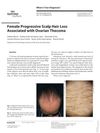
 A woman's hair loss was linked to a rare hormone-secreting ovarian tumor, treated with surgery and hair loss medication.
 March 2018 in “Dermatología Argentina”
 The study found that the average age of women diagnosed with Frontal Fibrosing Alopecia in Argentina is higher than in other countries, but their symptoms are similar.
 1 citations
,
April 2016 in “The American Journal of the Medical Sciences”
1 citations
,
April 2016 in “The American Journal of the Medical Sciences” The document concludes that doctors should check for frontal fibrosing alopecia in patients with acquired hyperpigmentation and that early treatment is important.
4 citations
,
August 2025 in “Journal of Cosmetic Dermatology” Hormone replacement therapy can improve menopausal skin quality, but it's not recommended just for skin due to limited evidence.
74 citations
,
February 2018 in “Stroke” Women have unique stroke risks due to hormones, contraceptives, pregnancy, and menopause.
 3 citations
,
January 2007 in “Elsevier eBooks”
3 citations
,
January 2007 in “Elsevier eBooks” The document concludes that individualized treatment and lifestyle changes are important for managing menopause symptoms and health risks.
2 citations
,
November 2016 in “Current sexual health reports” Over-the-counter products can help with menopause symptoms, but be aware of their ingredients.
 June 2026 in “Romanian Journal of Medical Practice”
 Surgery resolved hormone imbalance and symptoms in a rare ovarian tumor case in an elderly woman.
November 2025 in “Journal of Investigative Dermatology” Estetrol may help prevent hair loss and support hair growth in women.
October 2025 in “Journal of the Endocrine Society” Anastrozole can cause increased testosterone, leading to symptoms like hair growth and thinning.
 6 citations
,
June 2000 in “Psychiatric Services”
6 citations
,
June 2000 in “Psychiatric Services” Maintaining sexual health after menopause is possible with patient approaches, hormone supplements, and therapy, despite needing more research.
 3 citations
,
May 2011 in “Journal of Obstetrics and Gynaecology”
3 citations
,
May 2011 in “Journal of Obstetrics and Gynaecology” A woman's pelvic pain and bleeding led to finding and successfully treating a rare benign tumor in her reproductive system.
August 2025 in “Cosmetics” Cosmeceuticals like sunscreens may trigger frontal fibrosing alopecia, but more research is needed.