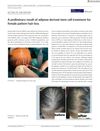
 April 2021 in “Journal of Cosmetic Dermatology”
 Stem cell treatment improved hair density in female hair loss patient.
 June 2026 in “Zenodo (CERN European Organization for Nuclear Research)”
 PRP therapy helps improve skin texture and elasticity.
 November 2024 in “Journal of Cosmetic Dermatology”
 Valproic acid microemulsions improve skin delivery compared to regular solutions.
 14 citations
,
June 2013 in “Anais Brasileiros de Dermatologia”
14 citations
,
June 2013 in “Anais Brasileiros de Dermatologia” Follicular red dots may be a normal feature seen in people with less skin pigmentation, not necessarily indicating a scalp disorder.
January 2022 in “Springer eBooks” Combining PRP with lipofilling shows promise for tissue regeneration but needs more clinical trials to confirm benefits.
 July 2024 in “Periodontology 2000”
 Autologous platelet concentrates show promise in esthetic treatments but need more standardized research.
10 citations
,
July 2021 in “Clinical Cosmetic and Investigational Dermatology” Combining transverse needling with mini-punch grafts improves vitiligo repigmentation effectively.
 March 2024 in “Frontiers in medicine”
 PRP treatment can safely improve short-term vision in acute NAION patients.
 3 citations
,
March 2023 in “National Journal of Health Sciences”
3 citations
,
March 2023 in “National Journal of Health Sciences” Platelet Rich Plasma (PRP) therapy may help heal diabetic foot ulcers.
September 2020 in “PubMed” The specialized protective cap improved recovery and satisfaction after hair transplant.
 8 citations
,
November 2015 in “The American journal of dermatopathology/American journal of dermatopathology”
8 citations
,
November 2015 in “The American journal of dermatopathology/American journal of dermatopathology” Punctate follicular porokeratosis is a skin condition with specific features seen in hair follicles.
April 2025 in “Assiut Veterinary Medical Journal/Maǧallaẗ Asyūṭ al-ṭibiyyaẗ al-baytariyyaẗ” Platelet-rich plasma speeds up early skin wound healing.
58 citations
,
May 2004 in “British Journal of Dermatology” Diphenylcyclopropenone treatment helps hair growth in alopecia areata by promoting blood vessel growth and cell survival.
 January 2023 in “Open veterinary journal”
 Cow blood vessel cell secretions helped heal rat burn wounds and may treat burns and hair loss.
 May 2023 in “Elsevier eBooks”
 Platelet-rich plasma may help heal injuries.
 7 citations
,
March 2015 in “The American Journal of the Medical Sciences”
7 citations
,
March 2015 in “The American Journal of the Medical Sciences” Finasteride helps reduce blood vessel growth in diabetic rat kidneys.
 February 2021 in “Journal of The American Academy of Dermatology”
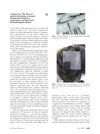
 Platelet-rich plasma therapy's effectiveness for female hair loss needs more accurate data and further examination.

Proretinal nanoparticles are a safe and effective way to deliver retinal to the skin.
28 citations
,
June 2023 in “Small” VVF alone can't fully describe porosity in granular scaffolds.
 2 citations
,
March 2019 in “Plastic and Reconstructive Surgery”
2 citations
,
March 2019 in “Plastic and Reconstructive Surgery” The letter suggests that a modified fat processing technique may increase regenerative cells but calls for more trials to confirm its effectiveness for skin and hair treatments.
Latanoprost increases VEGF protein in human cells, which may help hair growth.
20 citations
,
August 2020 in “Stem Cell Research & Therapy” miR-150 helps blood vessel cells develop and speeds up blood clot healing.
 14 citations
,
May 2018 in “Journal of the American Academy of Dermatology”
14 citations
,
May 2018 in “Journal of the American Academy of Dermatology” Platelet-rich plasma might be a new way to treat lichen planopilaris.
August 2024 in “Indian Dermatology Online Journal” DCPA commonly affects males' lower legs, showing follicular pustules and white areas.
 1 citations
,
February 2020 in “International journal of research in dermatology”
1 citations
,
February 2020 in “International journal of research in dermatology” PRP therapy is effective for hair loss, skin rejuvenation, wound healing, and scar treatment.
1 citations
,
March 2018 in “Journal of lasers in medical sciences” Combining capislow with laser is more effective for reducing unwanted hair, but the effect is temporary.
2 citations
,
April 2024 in “International Wound Journal” Combining UV therapy with PRP heals chronic wounds faster and reduces pain.

Placental cell medium boosts blood vessel growth in lab tests.
14 citations
,
March 2019 in “European journal of pharmaceutics and biopharmaceutics” Proretinal nanoparticles improve skin absorption and reduce irritation of topical retinoids.
Placental components enhance blood vessel growth.